
Hadj in Australian Sign Language (Auslan)
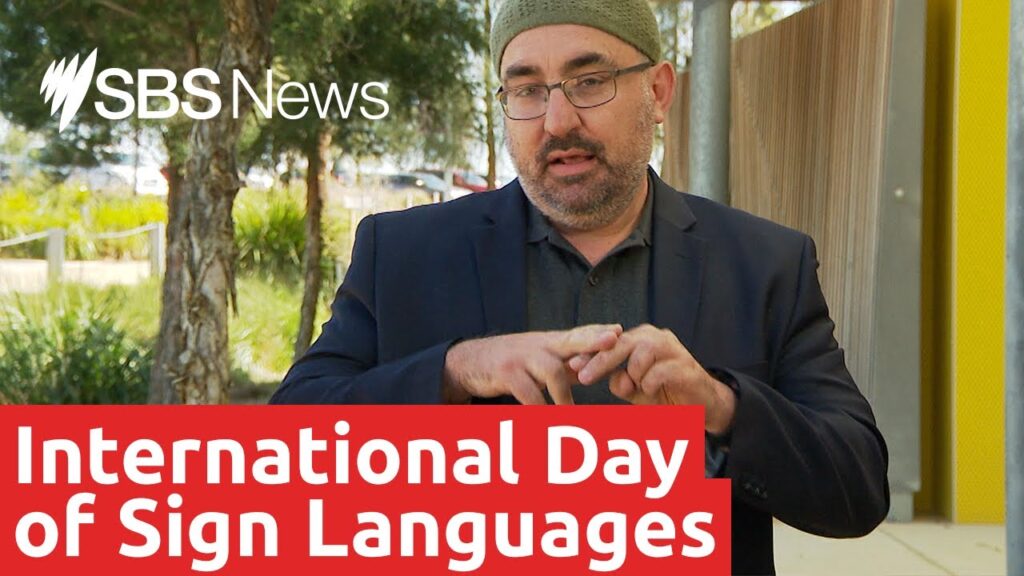
The sign for “hadj” in Auslan refers to the pilgrimage to Mecca, an important religious journey for Muslims. This sign is used in discussions about faith, cultural practices, and community events related to the Hajj. It can be used in various contexts, such as sharing personal experiences or teaching about religious traditions.
Table of Contents
How to Sign “Hadj”
- Start with your dominant hand in a flat handshape, palm facing down.
- Position your hand at about chest level, with your fingertips pointing forward.
- Move your hand in a small circular motion to the right, maintaining the flat handshape throughout the movement.
- As you perform the circular motion, slightly lean your upper body to the right to emphasize the movement.
- Facial expressions should reflect the significance of the sign; a look of reverence or respect can enhance the meaning.
Common Mistakes
- Some learners may forget to keep the hand flat while signing, which can change the meaning.
- Not incorporating the body lean may make the sign less expressive or unclear.
- Using too large of a circular motion can confuse the sign with other similar gestures.
Related Signs
- 1 – Used to indicate the number one.
- 1 Dollar – Represents one dollar in a financial context.
- 10 – Sign for the number ten.
- 100 – Indicates one hundred.
- 11 – Represents the number eleven.
Using “Hadj” in Everyday Conversations
The sign “Hadj” can be integrated into various daily conversations, particularly when discussing travel, cultural experiences, or religious practices. Here are a few example sentences demonstrating its usage:
- “I am going to Hadj next year.” (Me-Going Hadj Year-Next)
- “Have you ever done Hadj?” (You-Already-Hadji?)
- “My friend finished Hadj last week.” (My-Friend Finish Hadj Week-Last)
These scenarios may arise in casual conversations among friends, during community gatherings, or in educational settings where cultural practices are discussed. The sign is especially relevant in contexts where individuals share their personal experiences or plans related to this significant pilgrimage.
Cultural Notes
In the Australian Deaf community, the sign “Hadj” holds cultural significance, particularly among Deaf Muslims. It represents not just the act of pilgrimage but also community bonding and shared spiritual experiences. The context in which this sign is used can foster a sense of belonging and pride among individuals who share similar faith backgrounds.
Regarding dialect variations, while “Hadj” is generally consistent across Australian sign language users, some regional differences may accentuate slight variations in handshape or facial expressions. Northern and southern dialects may influence the speed and fluidity of the sign, but the core meaning remains universally understood within the community.
Tips for Learning This Sign
To effectively learn and remember the sign “Hadj,” consider the following practical strategies:
- Mirror Practice: Stand in front of a mirror while practicing the sign. This allows you to observe your movements and ensure they match the correct form.
- Focus on Non-Manual Features: Pay attention to facial expressions and body language, which can add meaning and context to the sign.
- Incorporate it into Short Signed Sentences: Use “Hadj” in simple sentences to reinforce your understanding and comfort with the sign. This can help integrate it into your vocabulary more naturally.
Regular practice in real conversations will also bolster your confidence and fluency in using this sign.
Frequently Asked Questions
How can I use “hadj” in a sentence?
You can use it in a sentence like, “My friend just completed the hadj,” to share about someone’s experience.
Are there regional variations in this sign?
Yes, some regions might have slight variations in handshape or movement, so it’s good to observe local users.
What are some signs that are similar to “hadj”?
Signs for religious terms or cultural practices can be similar, but “hadj” is unique in its specific hand motion and context.
How does “hadj” compare with BSL?
While BSL has its own sign for “Hajj,” the movements and handshapes may differ significantly from Auslan.
What tips do you have for teaching this sign?
Encourage learners to practice with a partner to ensure clarity and to use facial expressions that match the sign’s meaning.
Practice This Sign
Try signing Hadj In Auslan with your camera and get AI coaching on your handshape, movement, and location.
Free · No signup required