
Gale in Australian Sign Language (Auslan)
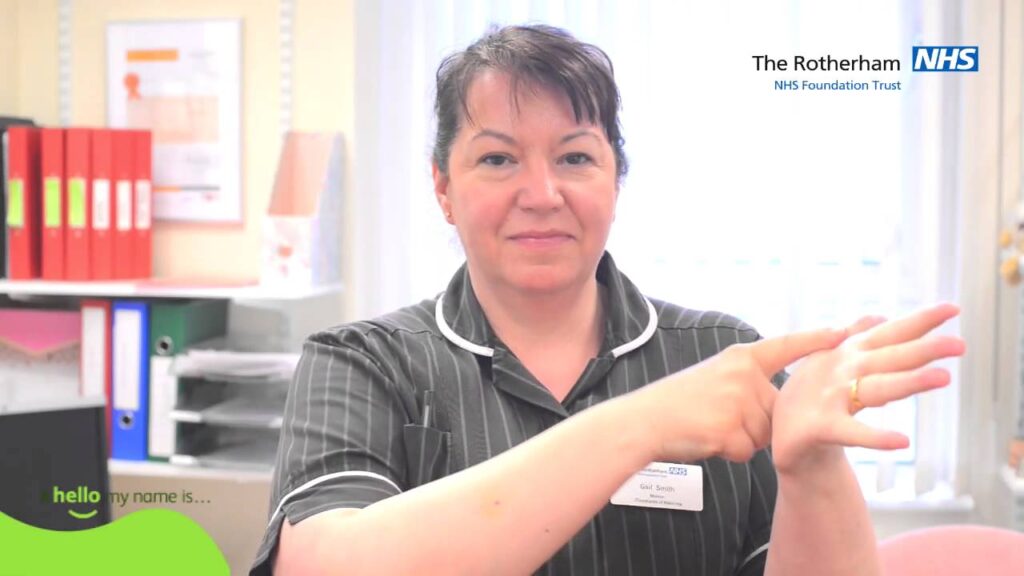
The sign for “gale” in Auslan represents a strong wind or storm, often used in discussions about weather conditions or nature. This sign can be particularly handy when talking about outdoor activities, events, or safety during severe weather.
Table of Contents
How to Sign “Gale”

- Start with both hands in a “B” handshape, with fingers extended and together, palm facing down.
- Position your hands at shoulder height, about a foot apart, in front of your body.
- Move both hands outward from the center of your body, as if you are pushing the wind away. This should be a quick, forceful motion.
- As you perform the movement, maintain a facial expression that conveys intensity or strength, reflecting the power of a gale.
Common Mistakes
- Some learners may not use enough force in the hand movement, making the sign less impactful.
- Others might forget to use facial expressions, which are essential in conveying the meaning of the sign.
- A common error is using a different handshape, which can lead to confusion with other signs.
Related Signs
- 1 – The sign for the number one.
- 10 – The sign for the number ten.
- 100 – The sign for the number one hundred.
- 15 – The sign for the number fifteen.
- 16 – The sign for the number sixteen.
Using “Gale” in Everyday Conversations
The sign “Gale” can be incorporated into various conversational contexts, especially when discussing weather, nature, or personal experiences related to strong winds. Here are a few example sentences to illustrate its use:
- “YESTERDAY GALE WIND BLOW, IT WAS SCARY.” (Yesterday, there was a gale wind; it was scary.)
- “GALE COME, WE STAY INSIDE.” (When the gale comes, we stay inside.)
- “GALE WIND MAKE TREE FALL.” (The gale wind made the tree fall.)
These examples illustrate how “Gale” fits naturally into conversations about daily weather experiences, safety precautions, or discussing events caused by strong winds. Using this sign can enrich discussions with descriptive imagery that enhances understanding.
Cultural Notes
Within the Australian Deaf community, the sign “Gale” is not just a representation of strong winds; it reflects the community’s connection to the natural environment, which plays a significant role in cultural identity. Weather patterns, including gales, are frequently discussed among Deaf individuals, particularly in coastal regions where such phenomena are common.
There may be slight variations in how “Gale” is signed in different regions of Australia. For instance, some northern communities might use a more exaggerated movement to convey the intensity of the wind compared to southern regions. Being aware of these dialectical differences can enhance communication and foster a deeper understanding of local Deaf culture.
Tips for Learning This Sign
To effectively learn and remember the sign “Gale,” consider these practical strategies:
- Mirror Practice: Use a mirror to watch your own movements as you practice the sign. This will help you refine your handshape and movement.
- Focus on Non-Manual Features: Pay attention to facial expressions and body language that accompany the sign. For “Gale,” a concerned or exaggerated expression can emphasize the power of the wind.
- Short Signed Sentences: Create simple sentences using “Gale” and practice them in context. For example, try signing about your experiences during past gales or how you prepare for windy days.
By integrating these techniques into your learning routine, you will not only master the sign “Gale” but also enhance your overall Auslan skills.
Frequently Asked Questions
How can I use “gale” in a sentence?
You can say, “The gale was so strong that we had to stay indoors,” by signing the word “gale” in context with other signs describing the situation.
Are there regional variations for this sign?
While “gale” is generally consistent, local dialects may have slight variations in movement or facial expressions. It’s helpful to observe native signers in your area.
Are there similar signs I should be aware of?
Yes, signs for “storm” and “wind” are related and often used in conjunction with “gale” to discuss weather in more detail.
How does this sign compare to BSL?
In BSL, the sign for “gale” may differ in handshape and movement. It’s beneficial to learn both for better communication in various Deaf communities.
What are some teaching tips for this sign?
Practice in front of a mirror to ensure your facial expressions match the intensity of the sign. Watching videos of native signers can also help enhance your understanding.
Practice This Sign
Try signing Gale In Auslan with your camera and get AI coaching on your handshape, movement, and location.
Free · No signup required