
Earthnut in Australian Sign Language (Auslan)

The sign for “earthnut” in Auslan refers to a type of edible tuber, commonly known as a peanut. This sign is often used in contexts related to food, cooking, or discussing nutrition. It’s a fun and useful sign to incorporate into conversations about favorite snacks or recipes.
Table of Contents
How to Sign “Earthnut”
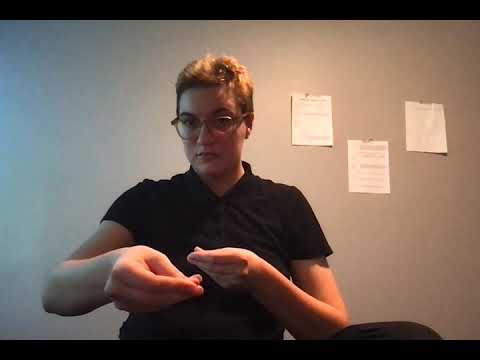
- Start with your dominant hand in a fist, resembling the shape of a peanut.
- Position your hand near your mouth, as if you’re about to eat the peanut.
- Move your hand forward slightly, as if offering the peanut to someone.
- While performing the sign, maintain a cheerful facial expression to convey the enjoyment of the snack.
Common Mistakes
- Forgetting to shape the hand like a fist; this can lead to confusion with other signs.
- Not using facial expressions, which are crucial in Auslan for conveying emotion and context.
- Making the sign too quickly; it’s important to perform it clearly for better understanding.
Related Signs
- 1 – The sign for the number one.
- 1 Dollar – The sign for one dollar, useful in shopping contexts.
- 10 – The sign for the number ten.
- 100 – The sign for one hundred, often used in counting.
- 11 – The sign for the number eleven.
Using “Earthnut” in Everyday Conversations
The sign “Earthnut” can be easily integrated into everyday conversations, especially when discussing food, gardening, or cultural practices. Here are a few example sentences where “Earthnut” might be used:
- Friend 1: “I love cooking with earthnuts!”
- Friend 2: “Where do you usually buy earthnuts?”
- In a cooking class: “Today, we’re going to make a dish using earthnuts.”
These examples illustrate how “Earthnut” can be naturally incorporated into chats about meals, recipes, and food preferences, making it relevant in culinary discussions.
Cultural Notes
In the Australian Deaf community, the term “Earthnut” refers not only to the food itself but also to a broader cultural appreciation for bush tucker and native ingredients. There is a growing interest in using indigenous ingredients in modern cooking, and earthnuts are often celebrated for their unique flavors and nutritional value.
While the sign “Earthnut” remains consistent across many areas, some regional variations may exist, particularly between northern and southern dialects. It’s beneficial to observe how different Deaf individuals in various regions might use the sign or related terms, as this can enrich your understanding of the cultural context.
Tips for Learning This Sign
Practicing the sign “Earthnut” can be both fun and effective if you incorporate a variety of learning techniques:
- Mirror Practice: Stand in front of a mirror and practice the sign while watching your hand shapes and movements. This helps to ensure proper form and clarity.
- Non-manual Features: Pay attention to facial expressions and body language when signing. These non-manual features can add significant meaning and context to your signing.
- Use in Context: Create short sentences or scenarios incorporating “Earthnut.” For example, while preparing a meal with friends, sign about what you are cooking and include “Earthnut” in the conversation.
By combining these strategies, you can enhance your retention and fluency with the sign “Earthnut” while also deepening your connection to the culture surrounding it.
Frequently Asked Questions
How can I use “earthnut” in a sentence?
You can sign, “I love to eat earthnuts,” by combining the earthnut sign with signs for “I love” and “eat.”
Are there regional variations for this sign?
While the sign is generally consistent, some regions may have slight variations in hand positioning or movement.
What are some similar signs?
Signs like “nut,” “food,” and “snack” are related and can be used in similar contexts.
How does this compare to BSL?
In British Sign Language (BSL), the sign for “peanut” may differ significantly from Auslan, highlighting regional differences in sign languages.
What teaching tips do you recommend for this sign?
Practice in front of a mirror to ensure your handshape and facial expressions are clear. Use it in context with friends to reinforce learning.
Can I use this sign in a group setting?
Yes, it’s a great sign to use during meal-related discussions or when sharing favorite snacks with a group.
Practice This Sign
Try signing Earthnut In Auslan with your camera and get AI coaching on your handshape, movement, and location.
Free · No signup required