
Data Protection Act in Australian Sign Language (Auslan)
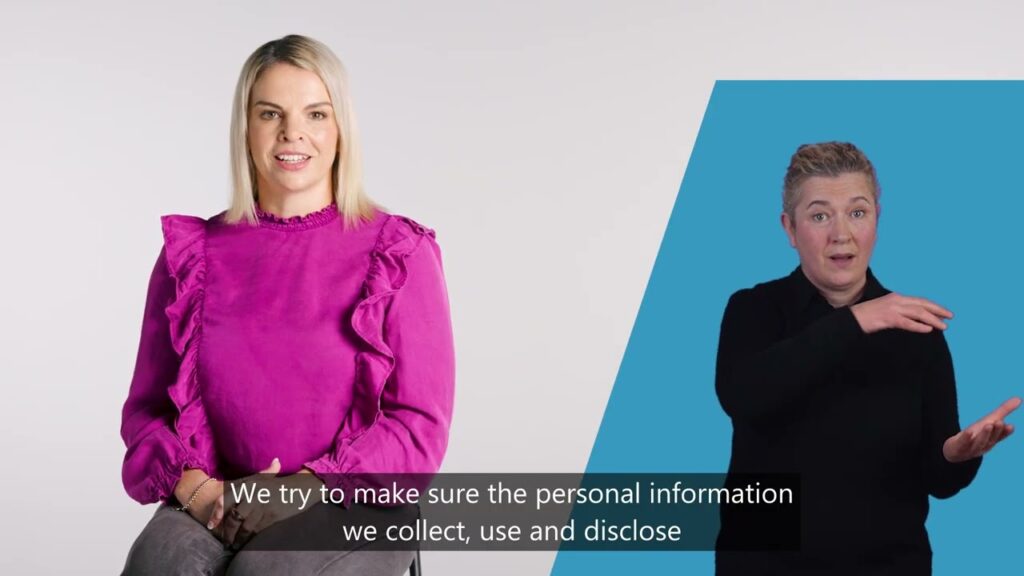
The sign for “Data Protection Act” in Auslan refers to laws and regulations that safeguard personal information. This sign is commonly used in discussions about privacy rights, digital security, and legal frameworks that protect individuals’ data. Understanding this sign can be especially helpful in legal, educational, and technology contexts.
Table of Contents
How to Sign “Data Protection Act”
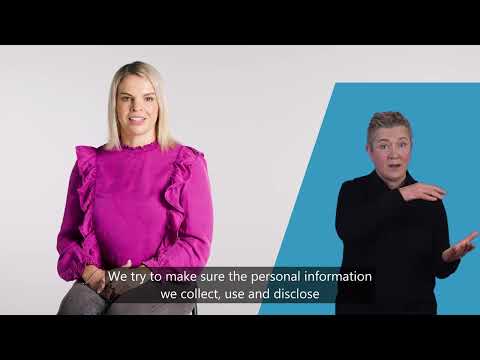
- Start by forming both hands into “B” handshapes (flat hands with fingers extended and together).
- Place your dominant hand slightly above your non-dominant hand, with palms facing down.
- Move your dominant hand downwards, slightly towards your body, while keeping your non-dominant hand steady.
- Next, bring both hands up to your chest level, with the palms facing you, and then pull them apart slightly to indicate “act” or “law”.
- Maintain a serious facial expression throughout the sign, as this reflects the formal nature of the topic.
Common Mistakes
- Forgetting to use the “B” handshape, which can lead to confusion with other signs.
- Moving the hands too quickly, which might make the sign unclear.
- Neglecting facial expressions, which are crucial in conveying the seriousness of the topic.
Related Signs
- 1 – The sign for the number one.
- 1 Dollar – The sign for one dollar currency.
- 10 – The sign for the number ten.
- 100 – The sign for the number one hundred.
- 11 – The sign for the number eleven.
Using “Data Protection Act” in Everyday Conversations
The sign for “Data Protection Act” can be integrated into various discussions in both formal and informal settings. Here are a few example sentences:
-
“I learned about the Data Protection Act during my IT class.”
This might come up when discussing the curriculum in educational settings.
-
“The Data Protection Act helps keep our information safe.”
This could naturally arise in conversations about online security and privacy.
-
“Have you read the updates on the Data Protection Act?”
This might occur in professional discussions or community meetings focused on legal matters.
Cultural Notes
The term “Data Protection Act” holds significance within the Australian Deaf community, especially as discussions around privacy and technology continue to grow. Many Deaf individuals rely on digital communication, making data protection a relevant topic for conversations about accessibility and rights. In terms of dialectical variations, both northern and southern Auslan users generally use the same sign for “Data Protection Act.” However, it’s essential to be aware of regional nuances in sign usage and incorporate local signs where appropriate to foster connection and understanding.
Tips for Learning This Sign
To effectively learn and remember the sign for “Data Protection Act,” consider these practical tips:
-
Mirror Practice: Use a mirror to practice your signing. This will help you see your hand movements and facial expressions, ensuring they match the correct sign.
-
Watch for Non-Manual Features: Pay attention to the facial expressions and body language that accompany the sign. These non-manual features add meaning and context.
-
Use in Short Signed Sentences: Incorporate the sign into simple sentences while practicing with a friend or in a group. This contextual practice will reinforce memory and improve fluency.
Frequently Asked Questions
How can I use “Data Protection Act” in a sentence?
You can say, “I want to learn about the Data Protection Act” by signing the phrase clearly to convey your interest.
Are there regional variations for this sign?
While the basic sign remains consistent, some regions may have slight variations in movement or handshape. It’s always good to learn from local Deaf communities.
Are there similar signs to “Data Protection Act”?
Yes, signs related to privacy, security, or legal terms can be similar. Context is key to understanding which sign is appropriate.
How does this sign compare to BSL?
This sign may differ from British Sign Language (BSL) due to different cultural contexts and sign structures. It’s best to learn BSL specifically if you’re interested.
What are some tips for teaching this sign?
Encourage students to practice with peers and emphasize the importance of facial expressions to convey meaning effectively.
Practice This Sign
Try signing Data Protection Act In Auslan with your camera and get AI coaching on your handshape, movement, and location.
Free · No signup required