
Ball and Socket in Australian Sign Language (Auslan)

The sign for “ball and socket” in Auslan refers to the type of joint that connects bones, allowing for a wide range of motion. It’s commonly used in discussions about anatomy, sports, or any context where movement and flexibility are important. This sign can help illustrate points in education or health-related conversations.
Table of Contents
How to Sign “Ball And Socket”
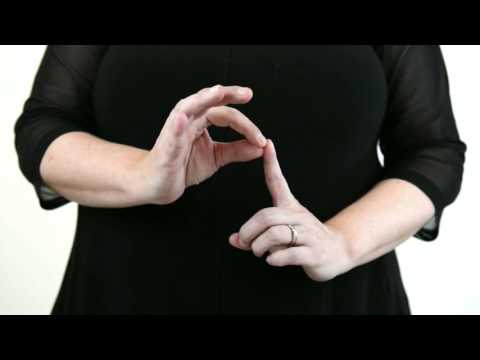
- Begin with your dominant hand in a fist, representing the ‘ball.’ Make sure your thumb is tucked in, and your fingers are curled tightly.
- Position your non-dominant hand flat, palm facing up, to represent the ‘socket.’ This hand will serve as the support for your dominant hand.
- Gently place your dominant hand (the fist) on the palm of your non-dominant hand.
- Now, move your dominant hand in a circular motion around the non-dominant hand to demonstrate the action of a ball moving within a socket.
- Maintain a relaxed facial expression to convey a sense of fluidity and movement, as this is a dynamic sign.
Common Mistakes
- Forgetting to use a relaxed facial expression, which can make the sign appear stiff.
- Not positioning the non-dominant hand correctly, which may lead to confusion about the sign’s meaning.
- Using too much force in the movement, making it look unnatural rather than fluid.
Related Signs
- 1 – The sign for the number one.
- 1 Dollar – Sign representing one dollar in currency.
- 10 – The sign for the number ten.
- 100 – The sign for the number one hundred.
- 11 – The sign for the number eleven.
Using “Ball and Socket” in Everyday Conversations
The sign “Ball and Socket” often comes up in discussions about anatomy, sports, and even in casual conversations about movement. Here are a few example sentences demonstrating how to incorporate this sign naturally:
- Example 1: “My shoulder has a ball and socket joint.”
- Context: A friend is sharing about their recent sports injury.
- Example 2: “The ball and socket allows for great flexibility.”
- Context: Discussing the human body in a health class or during a conversation about fitness.
- Example 3: “Did you know the hip is a ball and socket joint?”
- Context: Engaging in a casual chat about human anatomy with friends or peers.
Cultural Notes
The sign “Ball and Socket” is commonly understood in the Australian Deaf community, where it reflects a shared knowledge of anatomy and health. This sign is particularly relevant in discussions about sports and physical education, where understanding joint movements is essential. While the sign is generally standard across Australia, some regional variations might exist due to local dialects. For instance, in southern regions, the sign may be accompanied by slightly different facial expressions to convey emphasis, while in northern areas, the movement may be quicker to reflect the lively nature of conversation.
Tips for Learning This Sign
To effectively learn and remember the sign “Ball and Socket,” consider these practical tips:
- Mirror Practice: Use a mirror to practice your sign. This allows you to observe your hand shapes and movements, ensuring accuracy.
- Focus on Non-Manual Features: Pay attention to your facial expressions and body language while signing. These features help convey meaning and emotion.
- Incorporate into Short Sentences: Use “Ball and Socket” in simple phrases during practice with peers. For example, “My knee has a ball and socket” helps reinforce the context in which the sign is used.
Consistent practice in varied contexts will help solidify your understanding and usage of this important sign.
Frequently Asked Questions
Can you use “ball and socket” in a sentence?
Yes! You might say, “The shoulder joint is a ball and socket joint, allowing for great movement.”
Are there regional variations for this sign?
Yes, signs can vary between regions. It’s always good to learn from local Deaf community members.
What similar signs exist?
Similar signs include “hinge joint” and “pivot joint,” which refer to different types of joints in the body.
How does this compare to BSL?
In BSL, the signs for “ball” and “socket” may differ. It’s essential to learn each sign language’s unique vocabulary.
What are some tips for teaching this sign?
Use visual aids and demonstrate the movement slowly. Encourage learners to practice with each other for better retention.
Practice This Sign
Try signing Ball And Socket In Auslan with your camera and get AI coaching on your handshape, movement, and location.
Free · No signup required