
Balanced Forces in Australian Sign Language (Auslan)

The sign for “balanced forces” in Auslan describes a concept in physics where two forces acting on an object are equal in size but opposite in direction, resulting in no change in motion. This sign is often used in educational contexts, particularly in science discussions or lessons.
Table of Contents
How to Sign “Balanced Forces In Auslan”
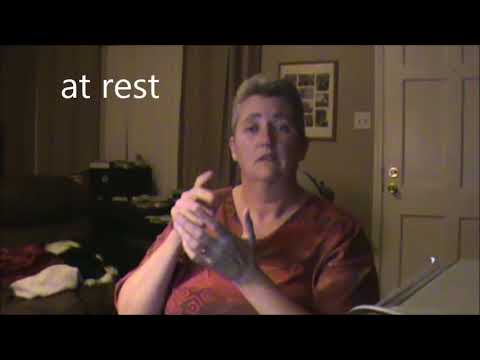
- Start with both hands in a flat “B” handshape (palm facing down) at shoulder height.
- Position your hands about shoulder-width apart, with your elbows bent slightly.
- As you move your hands toward each other, maintain the “B” handshape and bring them together until they nearly touch at the center in front of your chest.
- While bringing your hands together, nod your head slightly to emphasize the balance and equality of the forces.
- Hold the final position briefly, conveying the idea of balance before returning your hands to the starting position.
Common Mistakes
- Forgetting to maintain the “B” handshape throughout the sign, which can confuse the meaning.
- Moving the hands too far apart, which may suggest imbalance instead of balance.
- Neglecting facial expressions, as they play a crucial role in conveying the concept effectively.
Related Signs
- 1 – The sign for the number one, often used in counting.
- 10 – The sign for the number ten, useful in various contexts.
- 12 – The sign for the number twelve, essential for counting.
- 100 – This sign represents the number one hundred, commonly used in math.
- 15 – The sign for the number fifteen, helpful in numerical discussions.
Using “Balanced Forces” in Everyday Conversations
The sign for “Balanced Forces” is not just reserved for academic discussions; it can also be integrated into everyday conversations, especially in contexts involving science, sports, and daily life. Here are a few example sentences that illustrate how to use this sign naturally:
- Sentence: “When I push this chair, the balanced forces keep it in place.”
Context: Explaining a physics concept while helping a child understand how forces work. - Sentence: “In sports, balanced forces help athletes maintain their posture.”
Context: Discussing techniques in a sports coaching session. - Sentence: “We need to use balanced forces to lift the heavy box safely.”
Context: Talking with friends while planning to move furniture.
Cultural Notes
In the Australian Deaf community, the concept of “Balanced Forces” is often linked to educational discussions, particularly among students and educators in science classrooms. Auslan users may also encounter this sign during community events focused on science and technology. There are some variations in how signs are expressed between northern and southern dialects in Auslan, but “Balanced Forces” tends to maintain a consistent form across regions. Engaging with local Deaf community events can enhance understanding of these cultural nuances, as you may observe different signing styles and expressions that are unique to specific areas.
Tips for Learning This Sign
Practicing the sign for “Balanced Forces” can be fun and engaging. Here are some tips to help you remember and improve your signing skills:
- Mirror Practice: Use a mirror to watch your hand shapes and movements while signing. This helps ensure you are forming the sign correctly and allows you to adjust in real-time.
- Focus on Non-Manual Features: Pay attention to facial expressions and body language while signing. These non-manual features can add emphasis and context to your message.
- Use in Short Sentences: Incorporate “Balanced Forces” into simple, everyday sentences. The more you use it in context, the easier it will be to remember.
By practicing in these ways, you’ll be able to confidently use “Balanced Forces” in your conversations and deepen your understanding of its meaning within the community.
Frequently Asked Questions
How can I use “balanced forces” in a sentence?
You might say, “In our physics class, we learned about balanced forces and how they affect motion.”
Are there regional variations for this sign?
Some regions might have slight variations in movement or handshape, but the general concept remains the same.
What are some similar signs?
Related signs include “force” and “motion,” which can help in understanding the broader topic of physics.
How does this compare to BSL?
While BSL has its own signs for similar concepts, the structure may differ significantly from Auslan.
What teaching tips do you have for this sign?
Encourage students to practice with visual aids and to pay attention to their facial expressions, which enhance the sign’s meaning.
Practice This Sign
Try signing Balanced Forces In Auslan with your camera and get AI coaching on your handshape, movement, and location.
Free · No signup required