
Baked Beans in Australian Sign Language (Auslan)

The sign for “baked beans” in Auslan is a fun and expressive way to refer to this popular dish. It can be used in conversations about meals, recipes, or gatherings where food is a focus. Knowing this sign can enhance your ability to discuss food preferences and share culinary experiences with others.
Table of Contents
How to Sign “Baked Beans”
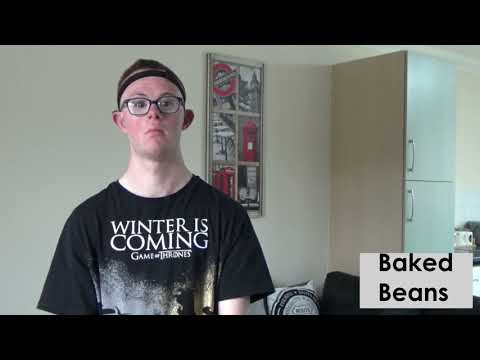
- Start with both hands in a “B” handshape (fingers extended and together, palm facing down).
- Position your hands in front of your chest, slightly apart.
- Move your hands in a circular motion, mimicking the action of stirring or mixing. Keep the movement smooth and fluid.
- While making the circular motion, maintain a neutral or cheerful facial expression to convey the enjoyment of the dish.
Common Mistakes
- Forgetting to use both hands; it’s important to create a sense of fullness by using both.
- Making the circular motion too fast; it should be clear and deliberate to convey the meaning effectively.
- Neglecting facial expressions, which are vital in Auslan to convey emotions and context.
Related Signs
- 1 – The sign for the number one.
- 10 – The sign for the number ten.
- 100 – The sign for the number one hundred.
- 12 – The sign for the number twelve.
- 15 – The sign for the number fifteen.
Using “Baked Beans” in Everyday Conversations
The sign for “Baked Beans” can be naturally integrated into various conversations, especially when discussing food, meals, or shared experiences. Here are a few example sentences:
- “I love baked beans on toast.” (I LOVE BAKED BEANS TOAST)
- “What do you want for dinner? How about baked beans?” (WHAT YOU WANT DINNER? HOW ABOUT BAKED BEANS?)
- “Last weekend, we had baked beans for breakfast.” (LAST WEEKEND, WE HAD BAKED BEANS BREAKFAST)
These phrases can come up in casual conversations among friends or during meal planning discussions. Using the sign in context helps reinforce its meaning and encourages others to engage in food-related topics.
Cultural Notes
In the Australian Deaf community, food plays a significant role in social gatherings and cultural identity. The sign for “Baked Beans” is not just about the food itself; it can bring back memories of family meals, camping trips, or barbecues. In some regions, baked beans are a staple comfort food, often associated with affordable and convenient meals.
Dialect variations may exist, with some Deaf individuals adapting the sign based on regional influences or personal preferences. For example, in northern areas, the sign may be accompanied by different facial expressions or hand movements compared to southern regions, reflecting local signing styles. It’s beneficial to observe and learn from native signers in your community.
Tips for Learning This Sign
Practicing the sign for “Baked Beans” effectively involves several strategies:
- Mirror Practice: Use a mirror to watch your hand movements and facial expressions while signing. This helps ensure you are performing the sign accurately.
- Watch for Non-Manual Features: Pay attention to your facial expressions and body language when signing. These non-manual features add emphasis and context to your signs.
- Use it in Short Signed Sentences: Incorporate “Baked Beans” into various sentences when practicing. This contextualizes the sign and makes it easier to remember.
Regular practice with these tips will enhance your comfort level with the sign and help you incorporate it naturally into conversations.
Frequently Asked Questions
How can I use “baked beans” in a sentence?
You can say, “I love baked beans,” by signing the phrase after expressing your love for food.
Are there regional variations for this sign?
What is a similar sign?
The sign for “beans” is similar but may involve a different handshape or movement. Understanding context will help clarify meaning.
How does this sign compare to BSL?
There may be differences in handshape or movement between Auslan and BSL for “baked beans.” It’s best to learn both for broader communication.
What are some tips for teaching this sign?
Encourage students to practice in pairs, focusing on slow and clear movements while also emphasizing facial expressions.
Can I use this sign in a cooking context?
Absolutely! It’s perfect for discussing recipes or sharing food experiences, making it a great addition to your cooking vocabulary.
Practice This Sign
Try signing Baked Beans In Auslan with your camera and get AI coaching on your handshape, movement, and location.
Free · No signup required