
Abuse in Australian Sign Language (Auslan)
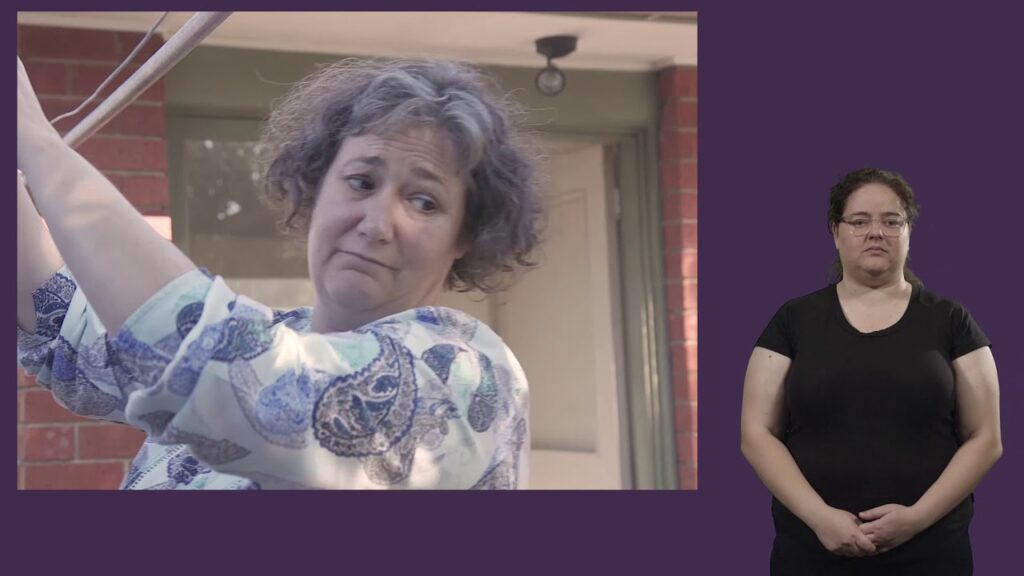
The sign for “abuse” in Auslan conveys a serious and important concept related to harm or mistreatment. It is commonly used in discussions about personal safety, mental health, and social issues. Understanding this sign is essential for communicating about sensitive topics in the Deaf community.
Table of Contents
How to Sign “Abuse”
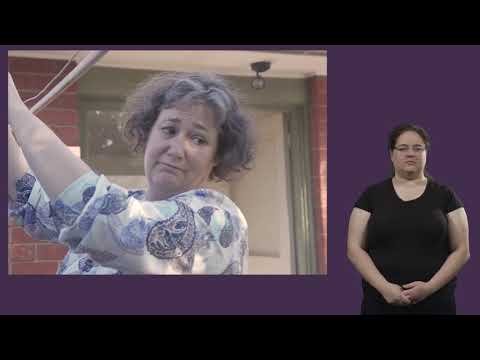
- Begin with your dominant hand in a flat handshape (like a “B” handshape) with fingers extended and together.
- Position your hand near your chin, palm facing inwards.
- Move your hand away from your face while bending your wrist slightly, as if you are pushing something away.
- Maintain a serious facial expression to convey the gravity of the sign.
Common Mistakes
- Some learners may confuse the sign for “abuse” with similar signs due to handshape or movement variations.
- Not using an appropriate facial expression can lead to misunderstandings about the seriousness of the sign.
- Forgetting to maintain the correct hand position can change the meaning of the sign entirely.
Related Signs
- 1 – Represents the number one, often used in counting.
- 1 Dollar – Indicates the amount of one dollar, useful in financial discussions.
- 10 – Signifies the number ten, commonly used in various contexts.
- 100 – Represents the number one hundred, relevant in counting or discussing quantities.
- 11 – Used for the number eleven, helpful in numerical contexts.
Using “Abuse” in Everyday Conversations
The sign for “Abuse” can be incorporated into various conversations, especially when discussing sensitive topics such as safety, wellbeing, or personal experiences. Here are a few example sentences that demonstrate how to use this sign effectively:
- Example 1: “I experienced abuse in my past.”
(Sign: “I” + “PAST” + “ABUSE”) - Example 2: “She helps people who suffer from abuse.”
(Sign: “SHE” + “HELP” + “PEOPLE” + “ABUSE”) - Example 3: “We should talk about abuse in our community.”
(Sign: “WE” + “TALK” + “ABUSE” + “COMMUNITY”)
These sentences can come up naturally in discussions at community meetings, support groups, or even casual conversations among friends when addressing issues related to personal safety and mental health.
Cultural Notes
In the Australian Deaf community, the sign for “Abuse” carries significant weight and context. It often reflects not only individual experiences but also broader societal issues. The Deaf community places a strong emphasis on creating safe spaces to discuss difficult topics, making it crucial to use the sign thoughtfully and respectfully.
When discussing abuse, members of the Deaf community might share personal stories or advocate for awareness, highlighting the importance of support and understanding. While Auslan is relatively uniform across Australia, you may notice slight variations in signing style or emphasis between northern and southern regions, especially in non-manual features like facial expressions, which can enrich the meaning.
Tips for Learning This Sign
Practicing the sign for “Abuse” can be made easier with a few helpful techniques:
- Mirror Practice: Use a mirror to observe your hand movements and facial expressions. This visual feedback helps ensure you’re forming the sign correctly.
- Focus on Non-Manual Features: Pay attention to your facial expressions while signing. They can convey emotions and context, making your communication more effective.
- Incorporate it into Short Sentences: Create simple sentences using “Abuse” and practice them regularly. This helps reinforce your memory and gives you confidence in using the sign in conversations.
By engaging with the sign in these practical ways, you’ll enhance your understanding and fluency in Auslan while fostering meaningful conversations within the Deaf community.
Frequently Asked Questions
How can I use “abuse” in a sentence?
You can say, “I want to talk about abuse,” signed as “I” + “TALK” + “ABOUT” + “ABUSE.”
Are there regional variations of the sign for “abuse”?
Yes, some regions may have slight variations in handshape or movement, so it’s good to learn from local signers.
What are some similar signs to “abuse”?
Signs like “hurt” or “harm” may have similar handshapes but differ in movement and context.
How does “abuse” compare to BSL?
In BSL, the sign for “abuse” may look different and has its own unique movement and expression.
What tips do you have for teaching this sign?
Practice the sign with a partner and focus on using the correct facial expressions to emphasize the seriousness of the topic.
Practice This Sign
Try signing Abuse In Auslan with your camera and get AI coaching on your handshape, movement, and location.
Free · No signup required