
Zero in Sign Language (ASL)
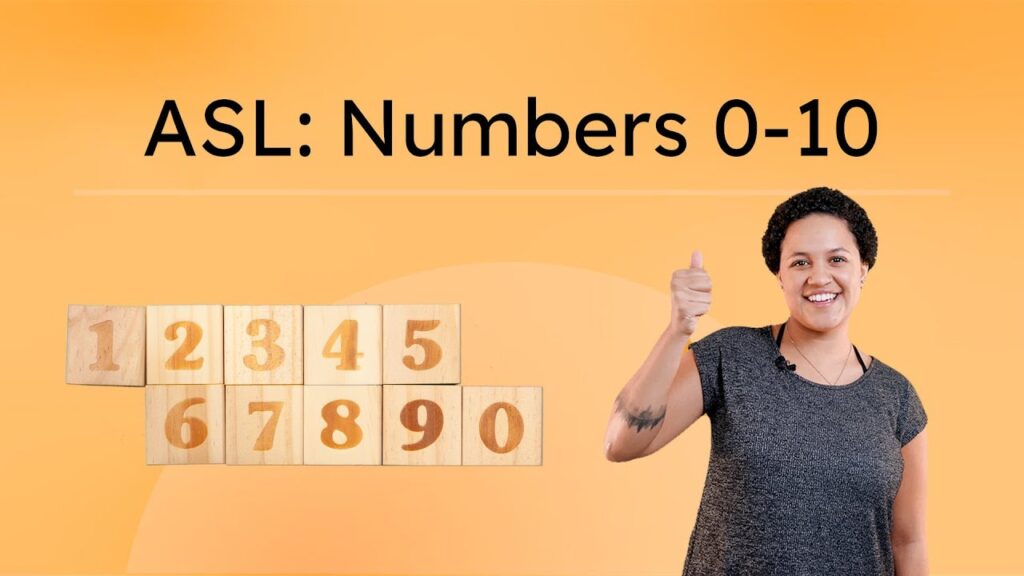
The sign “Zero” represents the numerical value of zero and is commonly used in various contexts, such as mathematics, counting, and discussions about amounts or scores. It’s an essential concept in everyday communication, especially in academic settings or when discussing finances. This sign is straightforward yet crucial for conveying precise information.
[VIDEO_PLACEHOLDER]
Table of Contents
How to Form the Sign “Zero”
- Handshape: The sign for “Zero” uses the handshape of the letter “O.” The fingers should be rounded together to form a closed circle.
- Location: Position your dominant hand in front of your body, at about chest level. This is a neutral location, making the sign easily recognizable.
- Movement: The sign for “Zero” does not require any movement; it is a static sign held in place. Make sure to maintain the circular shape of the hand for clarity.
- Non-manual signals: Maintain a neutral facial expression while signing “Zero.” This sign does not typically require any additional facial expressions, as the meaning is clear through the handshape alone.
The clarity of the “O” handshape helps to distinguish “Zero” from other similar signs. Use steady, consistent hand positioning to ensure that the meaning is conveyed without confusion. When used in conversation, it is often accompanied by other signs for context.
Using “Zero” in Sentences
Incorporating “Zero” in your sentences can enhance your communication about quantities, scores, or numerical data. For example: “I have zero apples,” which can be signed by combining “I” with “Zero” and then the sign for “apples.” This structure makes it clear that there is no quantity. Another example might be when discussing a score: “The score is zero,” emphasizing the numerical value.
Signs Related to “Zero”
Learn more about related numerical signs that can enhance your ASL vocabulary:
- One – The sign for the number one, often used in counting.
- Two – Represents the number two, useful in conversations involving small quantities.
- Three – The sign for three, which continues the counting sequence.
- Score – This sign is particularly useful in sports contexts.
- None – While “Zero” conveys a number, “None” expresses the absence or lack of something.
Regional Variations of “Zero”
While the sign for “Zero” is generally consistent across regions, some Deaf communities may have slight variations in handshape or movement. It’s beneficial to be aware of these differences, especially when traveling or communicating with Deaf individuals from diverse backgrounds. Observing how others sign “Zero” in various contexts can enhance understanding and improve communication.
FAQ
What is the difference between “Zero” and “None”?
“Zero” specifically refers to the numerical value, whereas “None” indicates the absence of something.
Can I use the sign for “Zero” in casual conversation?
Yes, “Zero” is commonly used in both casual and formal settings, especially when discussing quantities or scores.
Is there a different sign for “zero” in other cultures?
While many signs may have similarities, individual cultures may develop variations. It’s best to learn the local sign if you are in a different region.
How do I practice the sign “Zero”?
Practice by incorporating it into sentences about quantities or numerical concepts, and observe others signing in real-life scenarios.
Practice ASL Signs
Use your camera to practice signs and get real-time AI feedback on your technique.
Free · No signup required