
Year in Sign Language (ASL)
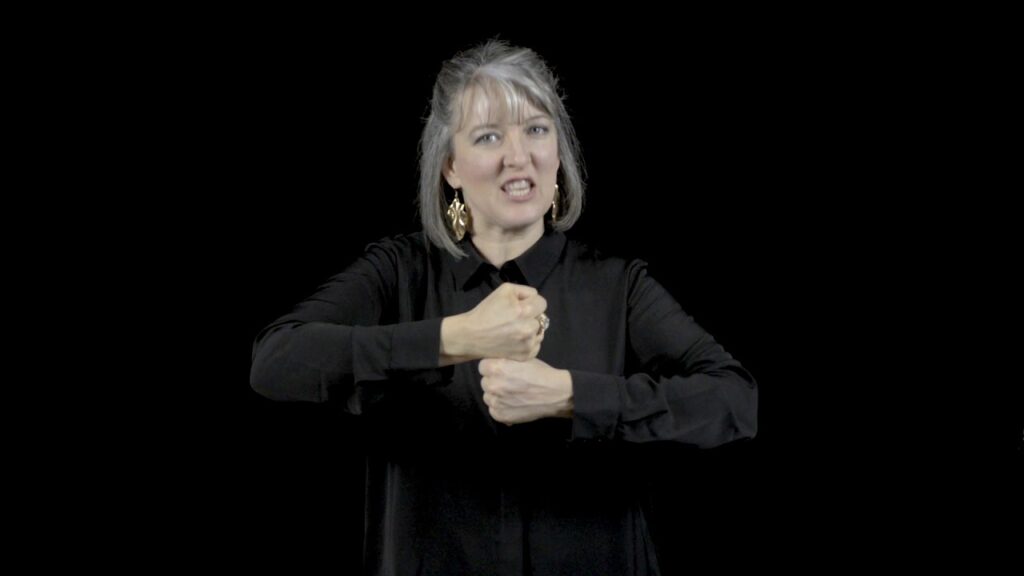
The sign “Year” represents a unit of time consisting of twelve months. It is commonly used in various contexts, such as discussing age, seasons, or significant events that occur on an annual basis. Understanding this sign is essential for effective communication about timelines and dates in conversations with Deaf individuals.
[VIDEO_PLACEHOLDER]
Table of Contents
Understanding how to form the sign Year
- Handshape: Use your dominant hand in the “Y” handshape (with the thumb and pinky extended, while the other fingers are curled into a fist).
- Location: Begin with your dominant hand positioned near your chin or cheek, indicating a personal reference point.
- Movement: Move your dominant hand forward in a small arc, away from your face, while maintaining the “Y” shape. This motion symbolizes the passing of time.
- Non-manual signals: Maintain a neutral facial expression while signing. You may emphasize the motion with slight head nods to indicate the duration or importance of the year being discussed.
This sign effectively conveys the concept of a year, emphasizing both the handshape and the significance of the movement. It’s important to keep your hand steady and ensure your facial expressions align with the context of the conversation.
Using Year in everyday sentences
The sign “Year” can be incorporated into various sentences. For example, you might use it when expressing your age or referencing events that occurred. Consider these examples:
- “I am 25 years old.” (sign “I” + age + “Year”)
- “Last year was challenging.” (sign “Last” + “Year”)
- “We will celebrate our anniversary next year.” (sign “Next” + “Year”)
Being able to use “Year” in sentences helps clarify the timeline of events and facilitates more meaningful conversations.
Signs related to Year
Several other signs are closely related to “Year,” which can enhance your communication skills:
- Month: This sign represents a period of time shorter than a year.
- Day: Use this sign for discussing daily events or schedules.
- Age: This sign is useful when talking about how many years someone has lived.
- Season: This refers to the four divisions of the year, such as spring or fall.
- Anniversary: Signifying a specific yearly celebration or event.
Cultural note on the significance of Year
In Deaf culture, the concept of a year often holds significant importance, especially in relation to events like Deaf Awareness Month or International Day of Sign Languages. Celebrating these occasions annually fosters community and connection among Deaf individuals. Recognizing the significance of annual events can also enhance your understanding of cultural practices and values.
Frequently Asked Questions about Year
What are some common contexts to use the sign Year?
You can use “Year” when discussing age, anniversaries, yearly events, or historical timelines.
Can I use the sign Year in combination with other time indicators?
Yes, combining “Year” with signs like “Next,” “Last,” or “This” can provide greater clarity in your communication.
Is there a specific way to emphasize the sign Year?
To emphasize “Year,” you can use a more pronounced movement or add facial expressions that indicate importance or urgency.
Are there regional variations of the sign Year?
While the general sign remains consistent, some regions may have slight variations in handshape or movement. It’s good to learn from local Deaf individuals.
Practice ASL Signs
Use your camera to practice signs and get real-time AI feedback on your technique.
Free · No signup required