
Wonder in Sign Language (ASL)
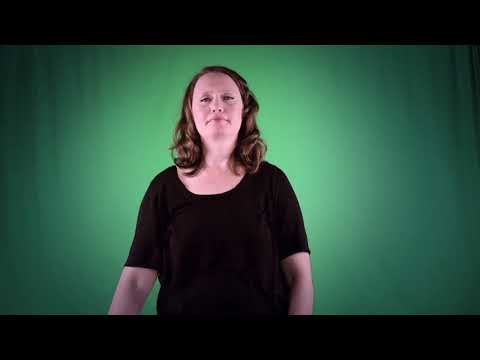
The sign “Wonder” conveys a sense of curiosity or amazement about something. It can be used to express feelings of disbelief, interest, or a desire to learn more about a topic or situation. This sign is often employed in conversations to express thoughts and feelings regarding something that piques one’s curiosity.
[VIDEO_PLACEHOLDER]
Table of Contents
Forming the sign
- Handshape: The dominant hand is in a flat “B” handshape, with fingers extended and together, while the palm is facing upwards.
- Location: The sign is typically made near the chin or slightly in front of the face.
- Movement: The sign begins close to the chin and moves outward slightly, away from the face, while the hand rotates slightly as it moves.
- Non-manual signals: Accompanying facial expressions are critical; eyebrows should be raised in a questioning manner to emphasize the sense of curiosity.
To convey “Wonder” effectively, it’s essential to combine the handshape and movement with appropriate facial expressions. The movement away from the chin signifies an outward inquiry or thought process, while the raised eyebrows indicate interest and engagement with the topic at hand.
Using “Wonder” in sentences
Here are some examples of how “Wonder” can be incorporated into everyday conversation:
- *”I wonder what they are talking about.”*
- *”Do you wonder why the sky is blue?”*
- *”She wonders if it will rain tomorrow.”*
In these examples, “Wonder” expresses curiosity about various subjects, emphasizing the speaker’s interest in finding out more information.
Signs related to “Wonder”
Several signs convey similar meanings or are contextually relevant to “Wonder.” Here are a few:
- Curiosity – A sign that emphasizes a strong desire to know or learn more.
- Amazed – Used to express feelings of surprise or being astonished.
- Think – Often used in contexts where contemplation or consideration is needed.
- Question – Directly related to inquiry, this sign is used when asking something.
Common confusion with a similar sign
Some learners might confuse “Wonder” with the sign for “Think.” While both signs share elements of inquiry, “Wonder” conveys a sense of curiosity often accompanied by surprise, whereas “Think” denotes a more general contemplation or consideration without the added emotion of amazement. Paying attention to the context and facial expressions can help clarify the intended meaning.
FAQ
What is the difference between “Wonder” and “Curiosity”?
“Wonder” emphasizes amazement and surprise about something while “Curiosity” focuses on the desire to learn more.
Can “Wonder” be used in different contexts?
Yes, “Wonder” can express various contexts such as disbelief, amazement, or a desire for information about people, events, or objects.
Is facial expression important when signing “Wonder”?
Absolutely! Facial expressions enhance the meaning, helping convey curiosity and engagement.
How can I practice signing “Wonder”?
Practice in front of a mirror to observe your handshape and facial expressions. You can also incorporate it into conversations with friends.
Are there any regional variations of “Wonder” in ASL?
While the sign for “Wonder” is generally consistent, some regional variations may exist in its execution. Observing native signers can help you adapt to local nuances.
Practice ASL Signs
Use your camera to practice signs and get real-time AI feedback on your technique.
Free · No signup required