
Win in Sign Language (ASL)
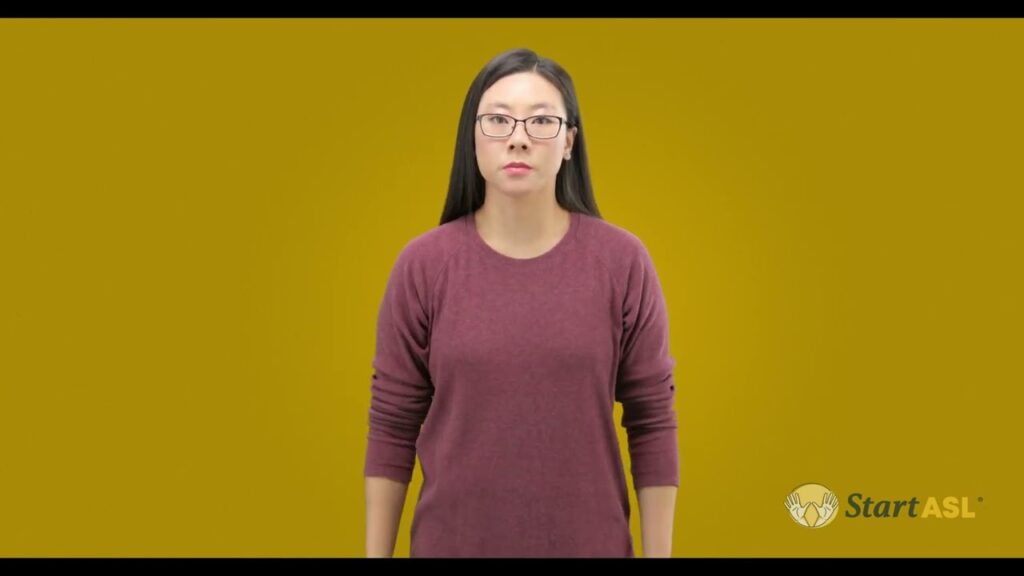
The sign “Win” represents the action of achieving victory or success in a competition or endeavor. It is commonly used in contexts such as sports, games, and personal achievements. This sign is expressive and can convey excitement and joy when celebrating accomplishments.
[VIDEO_PLACEHOLDER]
Table of Contents
Forming the sign
- Handshape: Use a bent ‘V’ handshape. This is formed by extending your index and middle fingers while keeping the other fingers folded down.
- Location: Position your hand in front of your chest, about shoulder-width apart. The palm faces outward.
- Movement: Move your hand upward slightly in a quick, celebratory motion as if you are raising a trophy or your arms in victory.
- Non-manual signals: Accompany the sign with a facial expression that reflects excitement or happiness, such as wide eyes or a smile.
This dynamic movement and handshape capture the essence of winning, making it a powerful sign in celebratory contexts. Practice the sign slowly at first, ensuring that the handshape is correct and that the movement conveys enthusiasm.
Showing tense, aspect & repetition
To indicate different tenses with “Win,” you can modify the movement and facial expressions. For example, to show that someone won in the past, you can use a more definitive, downward motion or add a facial expression that signifies reflection, such as a nod. For present tense, maintain the upward celebratory motion. If you want to indicate a repeated action, you can repeat the sign in quick succession while maintaining the same handshape and movement. This helps convey the ongoing success or multiple victories.
“Win” in everyday signing
In conversation, “Win” can be used in various contexts. For example, you could say, “I won the game” by signing “I” followed by “Win” and then pointing to the location of the game. Another common usage is during competitions, such as “We will win the match,” where you sign “We” followed by “Win” while emphasizing the sign to express confidence. Using “Win” in sentences can effectively convey excitement and anticipation, especially when discussing achievements.
Mistakes to avoid
A common mistake when signing “Win” is to use an incorrect handshape, such as flat fingers instead of the bent ‘V’ handshape. This can lead to confusion with other signs. Additionally, some learners may forget to match their facial expressions with the sign’s meaning, which is crucial in ASL for conveying emotions. Practicing in front of a mirror can help ensure that both handshape and non-manual signals are accurately represented.
Common confusion with a similar sign
Many learners confuse the sign “Win” with “Lose.” While “Win” is characterized by a celebratory upward motion, “Lose” involves a downward hand motion with a flat handshape. Understanding the difference in movement and context can help avoid miscommunication. Pay attention to the accompanying facial expressions, as they play a significant role in differentiating between these two signs.
FAQ
What handshape is used for “Win”?
The sign uses a bent ‘V’ handshape, formed by extending your index and middle fingers while keeping the other fingers folded down.
How do I show past tense when signing “Win”?
To express past tense, you can perform a downward movement with the sign and include a facial expression that signifies reflection, such as a nod.
Can “Win” be used in contexts other than sports?
Yes, “Win” can be used in various contexts, including personal achievements, competitions, and games.
Is facial expression important in the sign “Win”?
Yes, facial expression is crucial for conveying excitement and emotion, enhancing the overall meaning of the sign.
Practice ASL Signs
Use your camera to practice signs and get real-time AI feedback on your technique.
Free · No signup required