
What Is Your Name in Sign Language (ASL)
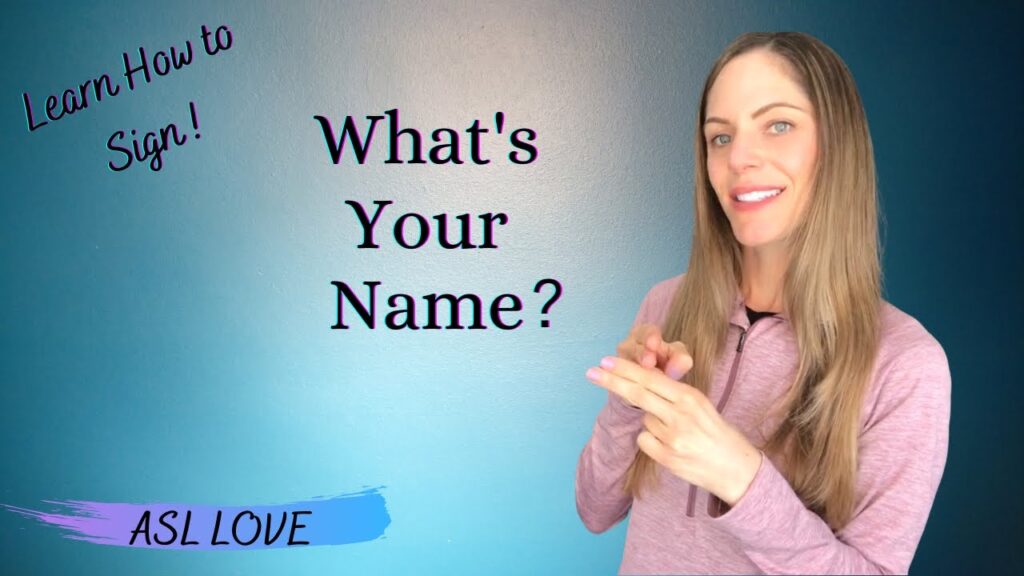
“What Is Your Name” is a common phrase used in American Sign Language to inquire about someone’s name. It is often one of the first phrases learned by those new to sign language, facilitating introductions and social interactions within the Deaf community. This sign is essential for establishing personal connections and engaging in conversation.
[VIDEO_PLACEHOLDER]
Table of Contents
Signing the phrase
- Handshape: The sign begins with both hands in the “flat” handshape (open palm).
- Location: Position your dominant hand slightly in front of your chest, while your non-dominant hand remains stationary below it.
- Movement: Start by sweeping your dominant hand from your chest outward as you form the sign. The gesture resembles a gentle outward motion that invites the other person to respond.
- Non-manual signals: Accompany the sign with a questioning facial expression, raising your eyebrows slightly to indicate you are asking a question.
This combination of movements and facial expressions conveys the phrase “What Is Your Name” effectively. Practicing this sign will help you feel more comfortable during introductions in various social settings.
When and how it’s used
“What Is Your Name” is typically used when meeting someone new. It serves as a polite and friendly way to initiate conversation and show interest in the other person. You can use this phrase in formal settings, like at Deaf events, or casual interactions, such as meeting friends of friends. Understanding the appropriate context for using this sign will enhance your social skills within the Deaf community.
Conversational variations
In casual settings, you might encounter variations of the sign based on regional dialects or the level of familiarity. For instance, some people might simply ask, “Name?” followed by a nod to indicate they are curious. Additionally, when signing with friends or in informal contexts, you may use a playful tone to convey excitement or eagerness to know the other person’s name. Adapting your signing style to fit the social environment can make your interactions more effective and relatable.
Common confusion with a similar sign
It’s important to distinguish “What Is Your Name” from similar phrases. For example, “Where Are You From?” is signed using similar movements but incorporates different handshapes and gestures. When learning these phrases, pay close attention to the specific handshapes and facial expressions to avoid confusion. Practicing with others can also help clarify the differences in meaning and increase your proficiency in conversational ASL.
FAQ
Can I use “What Is Your Name” when meeting someone for the first time?
Yes, it’s a polite and common way to ask for someone’s name when you are introduced to them.
What should I do if I forget someone’s name after asking?
If you forget someone’s name, you can politely ask them to repeat it or use fingerspelling to clarify if you’re unsure.
Is there a more casual way to ask for someone’s name?
Yes, you might simply ask “Name?” while pointing to the person, especially in informal settings.
Are there different signs for “What Is Your Name” in other regions?
Yes, there may be slight variations in the sign depending on regional dialects within the Deaf community.
Practice ASL Signs
Use your camera to practice signs and get real-time AI feedback on your technique.
Free · No signup required