
Walk in Sign Language (ASL)
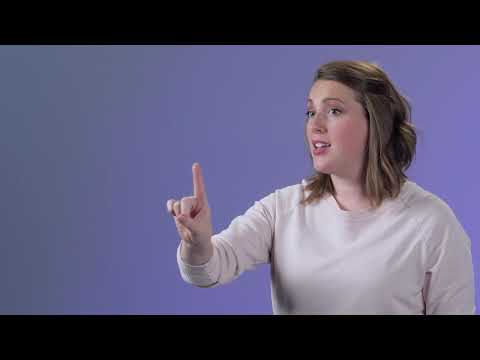
The sign “Walk” represents the action of moving on foot, typically at a steady pace. It is commonly used in various contexts, from describing someone’s actions to providing directions. Whether discussing leisurely strolls or hurried steps, this sign is a fundamental element of everyday communication in ASL.
[VIDEO_PLACEHOLDER]
Table of Contents
How to Form the Sign “Walk”
- Handshape: Start with both hands in a flat “B” handshape.
- Location: Position your hands in front of your body, around waist height.
- Movement: Move your hands forward in a stepping motion, alternating them as if they are simulating legs walking.
- Non-manual signals: Your facial expression can convey intent; for example, a relaxed face indicates a casual walk, while a focused expression might suggest urgency.
The motion of the sign mimics the action of walking, making it intuitive and easy to remember. Practicing with a mirror can help you refine your movements and ensure clarity in your signing.
Expressing Tense and Repetition with “Walk”
In ASL, context and additional signs often indicate tense and aspect. To show that you walked previously, you can use a backward motion with your hands as you sign “Walk,” while a forward motion can indicate that you are currently walking or planning to walk soon. Repetition can be shown by repeating the walking motion multiple times, indicating continued action. For instance, if you want to express “walking slowly,” you might move your hands more gently or add the sign for “slow.”
Using “Walk” in Everyday Signing
The sign “Walk” is versatile and can be incorporated into various sentences. For example:
– “I walk to the store” can be signed with “I” (pointing to yourself), followed by “Walk,” and then the sign for “store” (which is often signed with a flat handshape moving outward).
– You can describe someone else walking by signing “He/She walk” while pointing to the person in question. This highlights how the sign can be adapted based on context and subject.
A Common Mistake to Avoid
One mistake learners often make is to use the sign “Walk” incorrectly by not using the proper handshape or movement. Ensure that you maintain the flat “B” handshape throughout the sign and alternate the movement of your hands to truly reflect the action of walking. Additionally, avoid making the motion too large; the sign should remain close to your body for clarity.
Signs Related to “Walk”
To complement your vocabulary, here are some related signs:
– Run: A more vigorous movement than “Walk.”
– Stop: To indicate halting the walking action.
– Travel: A broader concept involving walking and navigating longer distances.
– Stand: A stationary position in contrast to walking.
– Exercise: Walking can be a form of physical activity.
Understanding Cultural Context
In Deaf culture, walking can symbolize independence and mobility. The ability to walk freely is often celebrated within the community, as it represents not just physical movement but also the freedom to navigate social environments. Being aware of this cultural significance can enhance your understanding of interactions in the Deaf community.
Frequently Asked Questions
What is the difference between “Walk” and “Run”?
The sign for “Run” involves a quicker, more dynamic motion with your hands, typically moving faster than the motion used for “Walk.” While “Walk” mimics a steady pace, “Run” conveys urgency and speed.
Can “Walk” be used in different contexts?
Yes, “Walk” can be used in various contexts, such as describing a leisurely walk, walking to a destination, or even the action of walking in a metaphorical sense, like progressing in life.
What are some other signs used in relation to walking?
Signs such as “Stop,” “Go,” and “Travel” are often used in conjunction with “Walk” to describe movement and navigation more broadly.
Is there a specific way to indicate speed when signing “Walk”?
Yes, you can adjust the speed of your hand movements to indicate how fast someone is walking, or you can use additional descriptive signs like “slow” or “fast” to clarify.
Practice ASL Signs
Use your camera to practice signs and get real-time AI feedback on your technique.
Free · No signup required