
Trip in Sign Language (ASL)
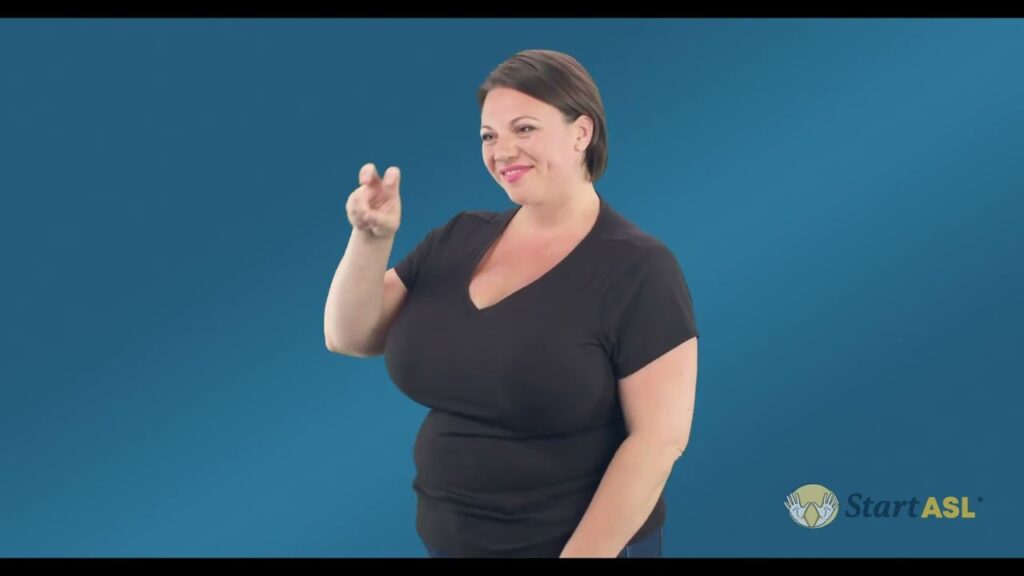
The sign “Trip” is commonly used to describe the action of stumbling or falling as a result of losing balance, often while walking or running. It’s also used metaphorically to refer to situations where someone takes a misstep, whether physically or in decision-making. This sign is essential for describing accidents, playful incidents, or humorous moments in conversation.
[VIDEO_PLACEHOLDER]
Table of Contents
Forming the sign
- Handshape: Use a flat handshape with the dominant hand, resembling an open “B” handshape.
- Location: Position the dominant hand in front of your body, at approximately chest height.
- Movement: Move the dominant hand downward, as if mimicking the motion of tripping over something. This motion should be swift and slightly forward, simulating the action of losing balance.
- Non-manual signals: Accompany the movement with a facial expression that conveys surprise or playfulness, as this adds context to the action of tripping.
When forming the sign “Trip,” it’s crucial to maintain clarity in your handshape and movement to effectively convey the meaning. The non-manual signals, especially facial expressions, play a significant role in how the sign is interpreted, enhancing the overall communication of the action. Practicing in front of a mirror can help refine your technique and expression.
Showing tense, aspect & repetition
In American Sign Language, the sign “Trip” can convey different meanings based on the context and how you use it in sentences. To indicate past tense, you can perform the sign and then move your hand backward slightly to show that the action has already occurred. For future tense, you can perform the sign while moving your hand forward, indicating that the trip is yet to happen.
For ongoing actions or habitual trips, you can repeat the sign several times in succession, maintaining the appropriate facial expressions to reflect the context of the action. The aspect of the sign can also be modified to show the intensity or severity of the trip; for example, a more exaggerated movement can indicate a more significant or humorous fall.
“Trip” in everyday signing
The sign “Trip” can be used in various contexts, from casual conversations about daily activities to storytelling about funny accidents. For instance, you might use it while recounting a time you stumbled while walking down the street, or during a playful exchange with friends about mishaps during a hike. It’s a versatile sign that adds humor and relatability to conversations.
Common confusion with a similar sign
Many learners of ASL often confuse “Trip” with the sign for “Fall.” While “Trip” specifically refers to losing balance and stumbling, “Fall” typically indicates a complete loss of balance leading to a drop to the ground. Understanding these subtle differences can enhance clarity in communication and storytelling.
FAQ
What does “Trip” mean in ASL?
“Trip” refers to stumbling or losing balance, usually while walking or moving. It’s a sign often used for humorous or light-hearted situations.
Can “Trip” be used in different contexts?
Yes, “Trip” can be contextualized for both literal trips (stumbling) and metaphorical trips, such as making a mistake in judgment.
How can I improve my signing of “Trip”?
Practice in front of a mirror to refine your handshape, movement, and facial expressions to ensure clarity and convey the intended meaning.
Is there a difference between “Trip” and “Stumble”?
While both terms are related, “Trip” specifically refers to the action of losing balance, while “Stumble” often implies a clumsy movement as a result of that tripping.
Practice ASL Signs
Use your camera to practice signs and get real-time AI feedback on your technique.
Free · No signup required