
Train in Sign Language (ASL)
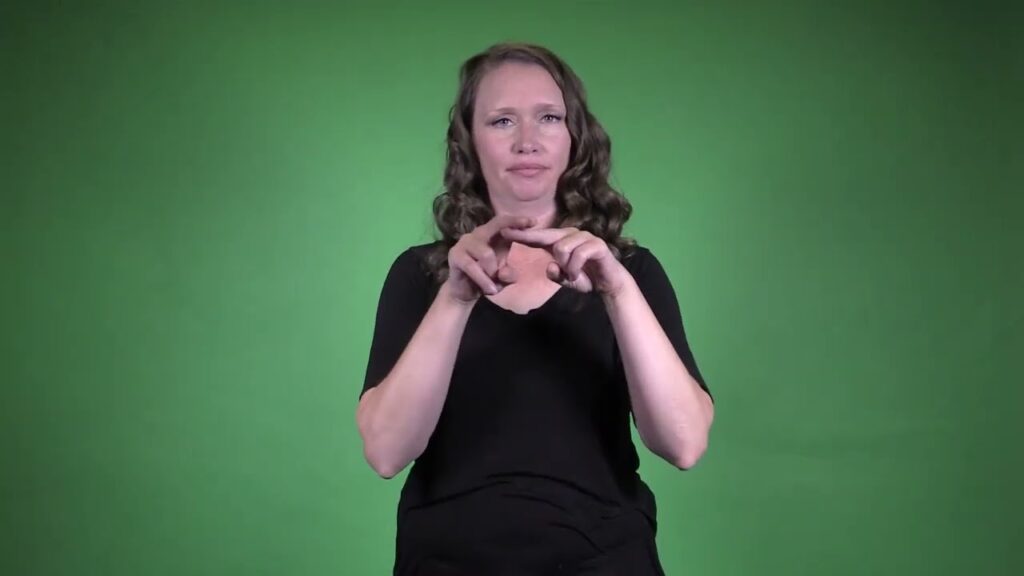
The sign for Train represents the concept of a locomotive or railway vehicle used for transportation. It is commonly used in a variety of contexts, such as discussing travel plans, public transportation, or when talking about trains in general. Understanding how to sign “Train” will enhance your communication about transportation and travel within the Deaf community.
[VIDEO_PLACEHOLDER]
Table of Contents
How to Form the Sign “Train”
- Handshape: Start with both hands in the “B” handshape (fingers extended and together, palm down).
- Location: Position your dominant hand in front of your non-dominant hand, with both hands at chest height.
- Movement: Move both hands forward in a sweeping motion, mimicking the movement of a train rolling along the tracks. This should be a smooth, continuous motion.
- Non-manual signals: You can raise your eyebrows slightly while signing to indicate that you are asking a question about the train or expressing excitement about trains.
To properly convey the meaning of “Train,” ensure your movements are fluid and emphasize the forward motion, which portrays the idea of movement associated with trains. The use of facial expressions can also enhance understanding, especially in a conversational context.
Using “Train” in Sentences
In constructing sentences with “Train,” it can serve as both a subject and an object. For example:
– “I am taking the Train to New York.”
– “The Train arrives at 5 PM.”
You can also use “Train” in a question format: “When does the Train leave?” or express preferences like, “I prefer to travel by Train instead of bus.” Contextual usage is key in conveying clear meaning, especially in discussions about travel.
Signs Related to “Train”
– Transportation: A broader category that includes all means of transport, including trains.
– Bus: Another public transport option often discussed alongside trains.
– Subway: A form of rail transport that operates underground, commonly found in urban areas.
– Vehicle: General term that encompasses all types of transportation modes.
– Arrive: Often used in conjunction with “Train” when talking about arrival times.
Regional Variations of the Sign “Train”
The sign for “Train” may have slight variations across different regions. In some areas, signers might use a more pronounced movement or a different handshape to emphasize the concept of trains more effectively. It’s beneficial to observe local signers and adapt to their variations to enhance communication and understanding. Engaging with the local Deaf community or attending Deaf events can also provide insights into these regional differences.
Common Mistakes to Avoid
One common mistake is neglecting the fluidity of the movement; make sure your motion is smooth and continuous, as stiff movements can lead to misunderstandings. Additionally, some learners may confuse the sign for “Train” with other transportation-related signs. To prevent confusion, practice distinguishing the movements and contexts in which you use “Train” versus signs like “Bus” or “Subway.” Finally, ensure your facial expressions align with your verbal communication, as they can significantly impact the meaning of your signs.
What is the handshape for “Train”?
The handshape for “Train” is the “B” handshape, where fingers are extended together while the palms face down.
Can “Train” be used in a question?
Yes, you can use “Train” in questions. For example, “When does the Train arrive?” can be signed by raising your eyebrows while signing.
Are there different signs for “Train” in different regions?
Yes, the sign for “Train” may vary slightly from region to region. It’s helpful to learn from local signers to understand these variations.
How can I practice signing “Train” effectively?
Practice by using the sign in various sentences and contexts. You can also watch videos of native signers to see how they perform the sign.
What should I focus on when signing “Train”?
Pay attention to the fluidity of the movement and use appropriate facial expressions to convey your emotions or questions related to the sign.
Practice ASL Signs
Use your camera to practice signs and get real-time AI feedback on your technique.
Free · No signup required