
Stress in Sign Language (ASL)
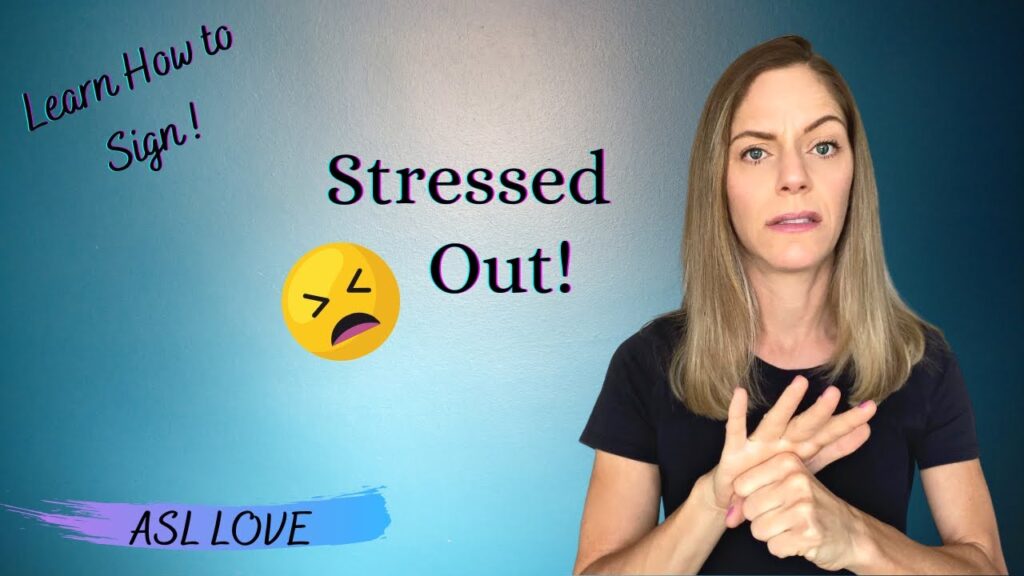
Stress is a common term used to describe the mental or emotional strain resulting from challenging situations. In American Sign Language (ASL), the sign for Stress conveys the concept of pressure or tension, often used in contexts such as discussing mental health, academic pressures, or everyday life challenges.
[VIDEO_PLACEHOLDER]
Table of Contents
Forming the sign
- Handshape: Start with your dominant hand in a bent ‘B’ shape, where the fingers are curled and the palm faces down.
- Location: Position your hand in front of your body at about chest level.
- Movement: Gently move your hand in a downward motion while keeping the bent shape, as if you’re pressing down on something.
- Non-manual signals: Incorporate facial expressions that reflect concern or tension, such as furrowing your brow or pursing your lips.
The downward movement combined with the bent handshape symbolizes the act of feeling overwhelmed or pressured. Expressive facial cues enhance the meaning and help convey the emotional aspect of stress.
Using “Stress” in sentences
Here are a few examples of how to incorporate the sign for Stress into sentences in ASL:
- Example 1: “I feel a lot of stress from schoolwork.” (Sign ‘I’, then ‘feel’, followed by ‘stress’, and ‘schoolwork’.)
- Example 2: “She is experiencing stress at her job.” (Start with ‘She’, then ‘experiencing’, followed by ‘stress’, and ‘job’.)
- Example 3: “How do you manage stress?” (Sign ‘How’, then ‘you’, followed by ‘manage’ and ‘stress’.)
Signs related to “Stress”
Understanding related signs can enhance your communication regarding emotional and mental states. Here are a few signs that are often associated with or complement “Stress”:
- Anxiety: A sign that represents feelings of unease and worry.
- Relax: This sign conveys the opposite of stress, focusing on calmness and tranquility.
- Overwhelmed: A sign that captures the feeling of being unable to cope with stressors.
- Burnout: This term signifies intense fatigue or stress often related to work or school.
Common confusion with a similar sign
Many learners often confuse the sign for “Stress” with “Tension.” While both involve pressure, “Tension” typically implies a physical tightness or strain (like muscles), whereas “Stress” encompasses emotional or psychological pressure. Being mindful of facial expressions and context can help differentiate between the two signs.
FAQ
What is the importance of using facial expressions with “Stress”?
Facial expressions play a crucial role in ASL, as they provide emotional context and clarity. When signing “Stress,” using expressions that convey concern or pressure enhances the message and allows listeners to understand the depth of the feeling.
Can “Stress” be used in different contexts?
Yes, the sign can refer to various types of stress, such as academic, work-related, or general life stress. Adjusting your facial expressions and accompanying signs can help clarify the specific context.
How can I practice signing “Stress” effectively?
To practice, use a mirror to observe your handshape and facial expressions. Additionally, engage with a Deaf friend or community member to receive feedback on your signing.
Is “Stress” a commonly used sign in everyday conversations?
Yes, “Stress” is frequently used in conversations about mental health, wellness, and daily challenges. It’s important to be comfortable with this sign as it comes up regularly in discussions.
Are there variations of the sign “Stress”?
While the basic sign remains consistent, regional variations might exist. It’s helpful to observe and learn from native signers in different communities to understand any subtle differences.
Practice ASL Signs
Use your camera to practice signs and get real-time AI feedback on your technique.
Free · No signup required