
Snow in Sign Language (ASL)
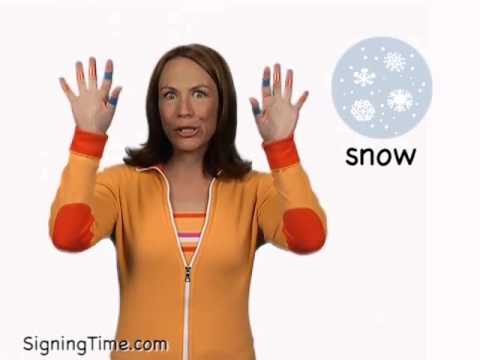
The sign for Snow captures the essence of falling snowflakes and is often used in conversations about winter weather, holidays, or when describing snowy landscapes. It’s a simple yet expressive sign that conveys both the visual and tactile experience of snow. This sign is particularly useful when discussing weather conditions or planning winter activities.
[VIDEO_PLACEHOLDER]
Table of Contents
Forming the sign
- Handshape: Use both hands in a flat “O” shape. The fingers should be together, creating a circular form representing snowflakes.
- Location: Position your hands above your head, approximately at eye level, to mimic the falling of snow from the sky.
- Movement: Gently move your hands downward, as if snowflakes are gracefully drifting to the ground. This movement should be slow and fluid, reflecting the serene nature of snowfall.
- Non-manual signals: Accompany the sign with an expression that reflects the beauty or coldness of snow, such as slightly raising your eyebrows or allowing your body language to express delight or chill.
The sign for Snow effectively communicates the visual aspects of snowfall. By using a flat handshape and a downward movement, it creates a clear representation of snowflakes falling from the sky. Practicing the sign with the right facial expressions will enhance your communication, making it more engaging and vivid for your audience.
Using “Snow” in sentences
Here are a few examples of how to incorporate the sign for Snow into everyday conversation:
- “I love to play in the Snow during winter.” – Sign “I” and then “love,” followed by “play,” and finish with “Snow.”
- “It is Snowing outside right now!” – Sign “it is,” followed by “Snow” with the appropriate facial expressions to show excitement.
- “Last year, we built a snowman in the Snow.” – Use “we” and then sign “built,” followed by “snowman” before finishing with “Snow.”
Signs related to “Snow”
Here are some signs that you might find useful when discussing Snow or related topics:
- Winter – the season when snow typically falls.
- Cold – describing the temperature associated with snow.
- Snowman – a popular activity involving snow.
- Skiing – a winter sport often done in snowy conditions.
Where this sign comes from
The sign for Snow has roots in the natural imagery associated with snowfall. ASL often relies on visual representations, and the sign embodies the delicate and gentle nature of snowflakes falling. This sign likely evolved as a way for Deaf individuals to convey the experience of snow in a visually rich and expressive manner, reflecting the importance of both nature and the seasons in Deaf culture.
Common confusion with a similar sign
Many learners often confuse the sign for Snow with similar signs that involve movement or handshapes that are close in appearance. One common mistake is mixing it with the sign for Rain, which involves a different handshape and downward motion. Remember that while both involve precipitation, the handshape for Snow is a flat “O,” while Rain typically uses a “5” handshape that mimics the act of raindrops falling straight down. Being mindful of these distinctions will help in clear communication.
FAQ
What is the difference between “Snow” and “Rain” in ASL?
The sign for Snow uses a flat “O” handshape and a gentle downward motion, while Rain uses a “5” handshape with fingers spread to illustrate raindrops.
Can I use the sign for “Snow” in other contexts?
Yes, you can use the sign for Snow when discussing winter activities, clothing, or even memories associated with snow, such as sledding or snowball fights.
Do all regions use the same sign for “Snow”?
While the sign for Snow is generally the same across many regions, some local variations may exist depending on community preferences and idiomatic expressions.
How can I improve my signing of “Snow”?
Practicing in front of a mirror can help you refine your handshape and movements. Additionally, using facial expressions to convey the feeling of snow will enhance your signing.
Practice ASL Signs
Use your camera to practice signs and get real-time AI feedback on your technique.
Free · No signup required