
Sign in Sign Language (ASL)
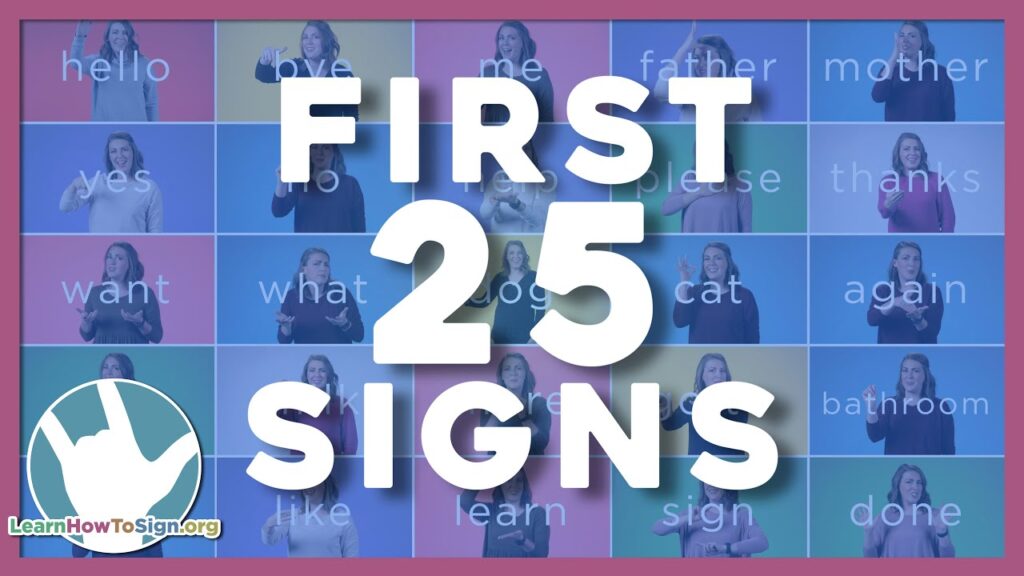
The sign “Sign” refers to the act of using gestures or symbols to convey meaning, specifically in the context of communication using American Sign Language (ASL). It can also represent the concept of a sign as a symbol or indication of something. This term is essential for both Deaf individuals and those learning ASL, as it encapsulates the essence of visual language.
[VIDEO_PLACEHOLDER]
Table of Contents
Forming the sign
- Handshape: Use the dominant hand in an open ‘B’ shape with fingers extended and together.
- Location: Start with your dominant hand in front of your chest, approximately at the level of your chin.
- Movement: Move your hand slightly forward and downwards, while maintaining the handshape throughout the motion.
- Non-manual signals: Maintain an attentive facial expression to convey engagement and clarity.
The sign is performed in a way that visually emphasizes the act of signing. The open hand shape indicates communication, while the forward movement reinforces the idea of transmitting a message. Properly using facial expressions adds to the clarity and emotion behind the sign.
Using “Sign” in sentences
In ASL, “Sign” can be used in various contexts. For instance, you might say, “I want to sign the word ‘hello,'” or “Can you sign that for me?” This sign is commonly used in discussions about communication methods, indicating a desire to convey or receive information through ASL.
Signs related to “Sign”
Some related signs include:
- Gesture – Refers to any movement of the body that conveys meaning.
- Communicate – The act of sharing thoughts or information.
- Language – Refers to a method of human communication, both visual and spoken.
- Symbol – A sign that represents or stands for something else.
Common confusion with a similar sign
It’s important to note that “Sign” can sometimes be confused with the sign for “Symbol,” which has a different handshape and movement. The distinction lies in the context and the specific meaning you want to convey. Paying attention to the context of the conversation can help clarify which sign is appropriate.
FAQ
What is the difference between “Sign” and “Symbol”?
“Sign” refers to the act of using gestures to communicate, while “Symbol” specifically indicates a sign that represents something else. The handshapes and movements are also distinct.
Can “Sign” be used to describe any type of signing?
Yes, “Sign” can refer to signing in general, including ASL or other forms of sign language. However, context is key to understanding its specific use.
Is “Sign” used differently in various regions?
While the sign for “Sign” is generally consistent, regional variations may occur in terms of accent or local slang. It’s always helpful to learn from native signers in your area.
How do I improve my signing skills?
Regular practice with native signers, joining ASL classes, and watching educational videos can significantly enhance your signing abilities.
Practice ASL Signs
Use your camera to practice signs and get real-time AI feedback on your technique.
Free · No signup required