
Shorts in Sign Language (ASL)
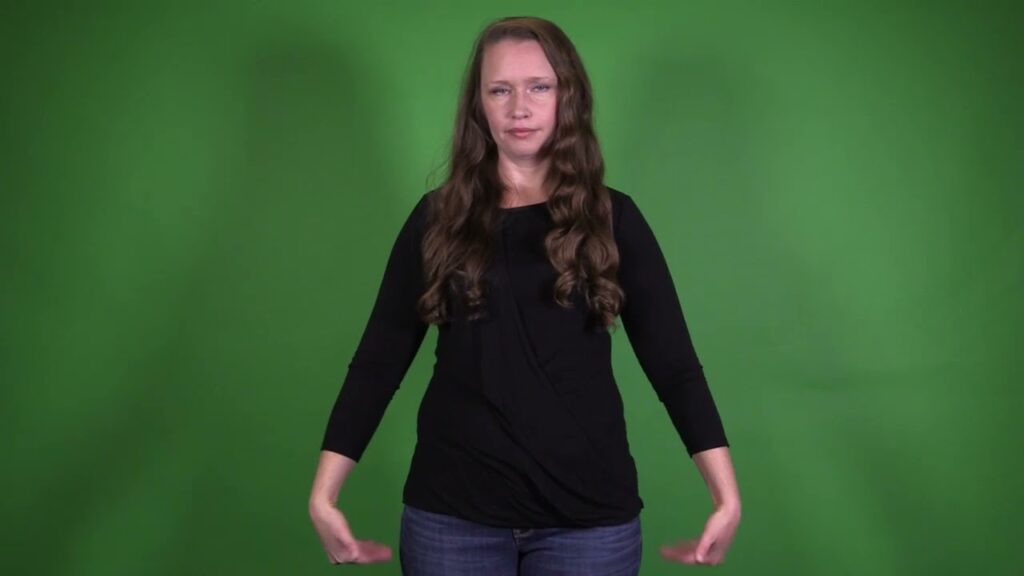
The sign for “Shorts” refers to a type of clothing typically worn in warm weather, often reaching above the knee. This sign is commonly used in casual conversations about clothing choices or when discussing summer attire. Knowing how to sign “Shorts” will help in various social settings and discussions about fashion.
[VIDEO_PLACEHOLDER]
Table of Contents
Forming the sign
- Handshape: Use both hands in the “B” handshape, where your fingers are extended together and your thumb is tucked against your palm.
- Location: Position your hands at the upper thigh level, near your hips.
- Movement: Move both hands outward slightly from the body, maintaining the “B” handshape throughout the movement.
- Non-manual signals: Raise your eyebrows slightly as you sign to indicate that you are asking a question or are expressing interest in the topic.
The sign “Shorts” visually represents the length and cut of the garment. The outward movement of the hands can symbolize the spreading out of fabric, indicating clothing worn on the lower body. This sign can be used in various contexts, such as when shopping for clothes or discussing preferred summer outfits.
Using “Shorts” in sentences
Here are some examples of how to use “Shorts” in everyday conversation:
– “I want to wear my Shorts today because it’s so hot outside.”
– “Do you like these Shorts I bought at the store?”
– “He prefers wearing Shorts over pants during summer.”
Using “Shorts” in sentences can help convey your preferences or describe others’ clothing choices effectively. Additionally, you can combine this sign with other signs to provide more context, such as colors or styles.
Signs related to “Shorts”
To expand your vocabulary, consider learning these related signs:
– Pants – the sign for long trousers, contrasting with shorts.
– Skirt – a sign for another type of lower-body clothing.
– Dress – this sign represents a full garment worn by women.
– Shoes – footwear that can accompany shorts or any outfit.
– Color – useful when discussing the color of your shorts.
Learning these related signs can enhance your ability to talk about clothing in a more detailed and descriptive manner.
Where this sign comes from
The sign for “Shorts” is derived from the visual representation of the garment’s style and length. In many cases, the signs for clothing items are influenced by their physical characteristics, making them easier to remember. The upper body position reflects the way shorts are worn, and this intuitive representation is common in American Sign Language (ASL) as a means of bridging visual imagery with language.
Common confusion with a similar sign
Some learners may confuse the sign for “Shorts” with the sign for “Skirt” due to both signs involving the lower body. To differentiate, remember that for “Shorts,” both hands move outward while in the “B” handshape, whereas the sign for “Skirt” typically involves a sweeping motion downward with one hand to reflect the flow of a skirt. Practicing these signs in front of a mirror can help solidify the differences in movement and handshape.
FAQ
Can I use the sign for “Shorts” to refer to other types of clothing?
While “Shorts” specifically refers to that garment, you can use other signs for different clothing items like “Pants” or “Skirt” to specify what you mean.
What if I want to describe the color of my Shorts?
You can easily combine the sign for “Shorts” with the sign for “Color” to specify the color, like signing “Blue Shorts” by signing “Blue” before “Shorts.”
Are there regional variations for the sign “Shorts”?
While the core sign remains consistent, some regions may have slight variations in movement or handshape. It’s beneficial to learn from local Deaf communities.
Is there a difference in signing “Shorts” for men and women?
No, the sign for “Shorts” is the same regardless of gender. The sign focuses on the garment rather than the person wearing it.
How can I practice the sign “Shorts” effectively?
Practice in front of a mirror to observe your handshape and movement. You can also incorporate the sign in conversations about outfits to build fluency.
Practice ASL Signs
Use your camera to practice signs and get real-time AI feedback on your technique.
Free · No signup required