
Sail in Sign Language (ASL)
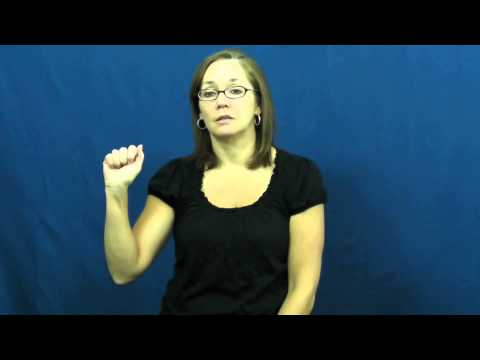
The sign “Sail” represents the act of sailing, often used in contexts involving boats, ships, or nautical activities. This sign can describe both the action of sailing and the sail itself, making it versatile in conversations related to water sports, travel, and leisure activities. Whether you’re discussing sailing as a hobby or referencing a sailboat, knowing this sign will enhance your ability to communicate effectively in the Deaf community.
[VIDEO_PLACEHOLDER]
Table of Contents
How to Form the Sign “Sail”
- Handshape: Start with your dominant hand in a bent “B” handshape. The fingers should be held together with the thumb extended along the palm.
- Location: Position your hand in front of your body, typically around chest height.
- Movement: Move your hand slightly to the side and then upward, mimicking the motion of a sail catching the wind. This movement can vary in speed and direction based on the context.
- Non-manual signals: Incorporate facial expressions that convey excitement or tranquility, depending on the context of your sentence. A smile may suggest enjoyment, while a calm expression can indicate a tranquil sailing experience.
The “Sail” sign captures the essence of sailing. The upward motion symbolizes the sail catching the wind, bringing a dynamic element to the sign. When used in conversation, this sign evokes feelings of adventure, relaxation, and connection to nature.
Using “Sail” in Everyday Signing
In everyday conversations, “Sail” can be easily integrated into various contexts. For example, you might say, “I want to sail this weekend” or “They enjoy sailing together.” The versatility of the sign allows for discussions about sailing experiences, plans for trips, or even stories about memorable sailing adventures. The context in which you use the sign can help convey different emotions or the level of enthusiasm you feel about sailing.
Signs Related to “Sail”
- Boat – Refers to the vessel used for sailing.
- Ocean – Often mentioned in conversations about sailing locations.
- Wind – A crucial element in sailing, as it fills the sail.
- Sailboat – A specific type of boat that uses sails for movement.
- Harbor – The place where boats dock or anchor.
Where the Sign “Sail” Comes From
The sign “Sail” draws inspiration from the visual dynamics of a sail catching the wind. It is influenced by the movement and handshape that reflect the nature of sailing. Historical ties to maritime culture within the Deaf community also play a role in the sign’s development, emphasizing the significance of sailing as both a recreational activity and a way of life for many individuals.
Common Mistakes to Avoid
When using the sign for “Sail,” one common mistake is to make the motion too fast, which may lead to confusion with other signs. Ensure that your hand movement is deliberate and clear to effectively convey the concept of sailing. Additionally, be mindful of your facial expressions; matching your expressions with the context of your conversation can enhance understanding. Lastly, remember that the “B” handshape is crucial, as using an incorrect handshape can change the meaning entirely.
FAQ
What is the difference between “Sail” and “Boat”?
“Sail” refers to the act of sailing or the sail itself, while “Boat” specifically denotes the vessel used on water.
Can “Sail” be used in different contexts?
Yes, “Sail” can describe both the action of sailing and the physical sail, allowing for flexibility in various discussions about boating activities.
How do I express excitement when signing “Sail”?
Incorporate enthusiastic facial expressions and body language. You could smile widely or show excitement in your overall movement to convey joy about sailing.
Is there a specific way to indicate different sailing types?
While “Sail” is versatile, adding descriptors or using related signs like “Sailboat” can clarify the type of sailing experience you are discussing.
How can I practice the sign “Sail” effectively?
Practice in front of a mirror to observe your handshape and movement. Additionally, incorporate the sign into conversations with peers who are familiar with ASL.
Practice ASL Signs
Use your camera to practice signs and get real-time AI feedback on your technique.
Free · No signup required