
Resent in Sign Language (ASL)
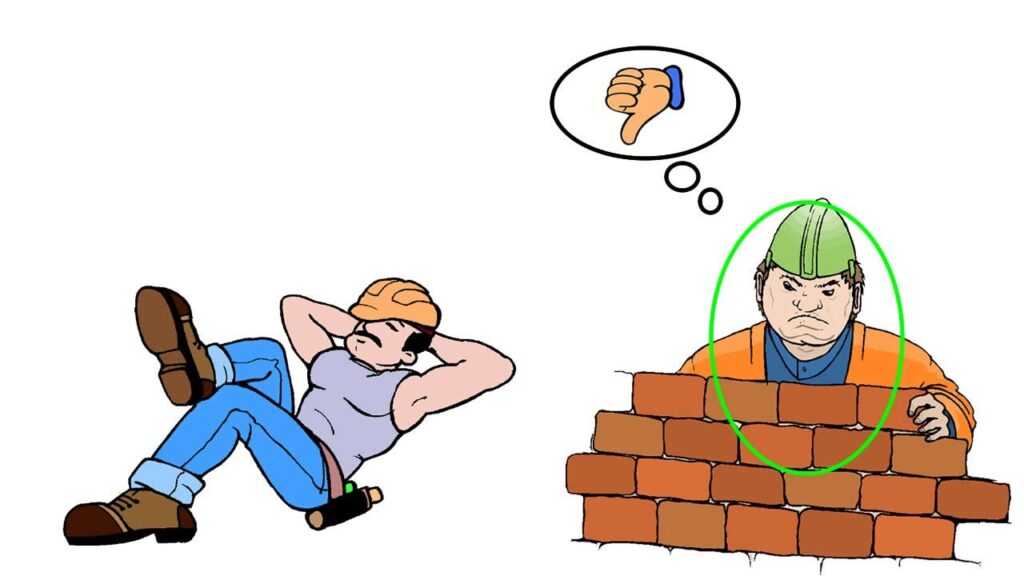
The sign “Resent” expresses feelings of bitterness or indignation towards someone or something perceived as unfair or hurtful. This sign is used when discussing feelings of discontentment or irritation, often in relationships or situations where one feels wronged. It can convey a strong emotional reaction that may arise from past experiences or ongoing issues.
[VIDEO_PLACEHOLDER]
Table of Contents
How to Form the Sign “Resent”
- Handshape: Start with an open hand, fingers extended and slightly bent. The palm should face towards your body.
- Location: Position your dominant hand near your chest or chin, as this is where the emotional context is often conveyed.
- Movement: Move your hand outward from your body in a small arc while simultaneously curling your fingers into a fist. This motion encapsulates the feeling of pushing away something that is perceived as negative or hurtful.
- Non-manual signals: Accompany the sign with a facial expression that reflects annoyance or displeasure, such as a furrowed brow or pursed lips. This adds depth to the emotional context.
When signing “Resent,” the combination of the movement and your facial expression is crucial to fully convey the emotion behind the word. Practicing in front of a mirror can help you refine your facial expressions and ensure they match the sentiment of the sign.
Using “Resent” in Everyday Signing
The sign “Resent” can be effectively integrated into everyday conversations, especially when discussing personal feelings or experiences. For instance, you might say, “I resent being treated unfairly at work,” using the sign to emphasize your feelings of bitterness. Another example could be, “She resents her friend for not supporting her,” highlighting the emotional weight of the situation.
It’s also important to add context. Instead of simply signing “resent,” you might include other signs that describe the situation or the person involved to give more clarity to your message.
Common Mistakes to Avoid
One common mistake when signing “Resent” is failing to use appropriate facial expressions. The emotion behind “resent” is crucial, and a neutral expression can lead to misunderstandings about your feelings. Additionally, ensure that your hand movement is clear and deliberate; rushing through the sign may dilute its meaning.
Another mistake is not contextualizing the sign in conversation. Just as you wouldn’t say “resent” without explanation in voiced language, be sure to frame it within the specific context of your feelings or experiences when signing.
Signs Related to “Resent”
Understanding related signs can enhance your vocabulary and ability to express complex emotions. Here are some signs you might find useful:
- Anger: Signifies a strong feeling of displeasure or hostility.
- Frustration: Expresses a feeling of being upset or annoyed due to inability to change or achieve something.
- Disappointment: Conveys feelings of sadness or displeasure when expectations are not met.
- Bitter: Reflects feelings of resentment or disappointment, often used in similar contexts as “resent.”
A Cultural Note on Emotional Expressions
In Deaf culture, emotional expressions are often emphasized in signing. Conveying feelings accurately is not just about the signs themselves but how they are expressed through facial cues and body language. This cultural understanding is essential when communicating feelings like resentment, as it reflects the depth and complexity of human emotions in conversation.
Frequently Asked Questions
What is the difference between “resent” and “anger” in ASL?
“Resent” conveys a feeling of bitterness over a perceived injustice, while “anger” is a more general sign for strong displeasure or rage. Context matters!
Can “resent” be used in a positive context?
No, “resent” is inherently negative, as it describes feelings of bitterness or indignation. It typically relates to negative experiences or emotions.
How can I improve my emotional expression while signing?
Practice in front of a mirror or with a Deaf friend who can give feedback. Focus on your facial expressions to enhance the emotional clarity of your signs.
Is “resent” commonly used in everyday conversation?
Yes, “resent” is frequently used to discuss feelings of unfairness or dissatisfaction in various contexts, such as personal relationships or work situations.
Practice ASL Signs
Use your camera to practice signs and get real-time AI feedback on your technique.
Free · No signup required