
R in Sign Language (ASL)
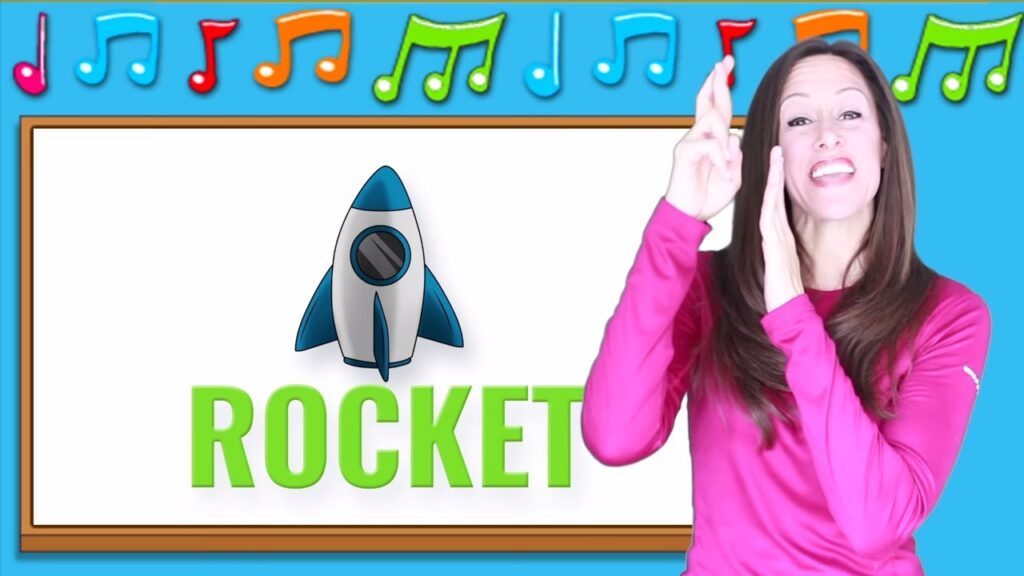
The sign “R” represents the letter R in American Sign Language and is primarily used in fingerspelling. It is an essential part of communicating names, places, and words that do not have unique signs. Knowing how to properly form and use “R” can enhance your communication with Deaf individuals, especially in spelling out specific terms or names that might not have a dedicated sign.
[VIDEO_PLACEHOLDER]
Table of Contents
Forming the sign
- Handshape: The sign is made using the dominant hand in the shape of an ‘R’. This is created by crossing the middle finger over the index finger while the other fingers are tucked in.
- Location: The ‘R’ should be positioned in front of your body, generally around chest height, pointing outwards.
- Movement: There is typically no movement for the letter ‘R’ when it is introduced on its own. It is held steady in the established position.
- Non-manual signals: While signing, maintain a neutral facial expression. This can help convey clarity, especially if you are fingerspelling a name or title.
It’s crucial to accurately form the sign to ensure clear communication. Misforming the handshape can lead to confusion, especially when spelling names or specific terms. Practice in front of a mirror to check that the shape is correct and that your fingers are in the right position.
“R” in the manual alphabet or number system
The letter “R” is part of the manual alphabet used in ASL for fingerspelling. Each letter in the alphabet has a specific handshape and position, and “R” is no exception. You’ll often use “R” when spelling out names like “Rachel” or “Robert,” as well as other proper nouns. It’s essential in both casual and formal conversations, particularly when discussing topics where specific terms are required.
Words/quantities you’ll use it for
Understanding when to use “R” in fingerspelling is vital. You may use it for:
- Names: such as “Rachel” or “Ronald”.
- Words: like “right,” “red,” and “run”.
- Places: for locations like “Reno” or “Rome”.
In everyday conversations, fingerspelling can be essential for clarity, especially when dealing with uncommon names or technical terms.
Practice tips
To master the sign for “R,” it’s helpful to practice alongside other letters in the manual alphabet. Spend time fingerspelling common names and words, and try to engage with Deaf individuals or sign language classes for real-life practice. Additionally, consider recording yourself or using mirrors to ensure you are forming the sign correctly, as small adjustments can significantly impact clarity.
Common confusion with a similar sign
Many learners confuse “R” with “K” due to the position of the fingers. Ensure that your middle finger crosses over the index finger for “R,” while for “K,” the index and middle fingers extend up while the ring finger is tucked in. Practicing these distinctions with a partner can help reinforce the differences between these signs.
FAQ
How do I know when to use fingerspelling?
You should use fingerspelling when you encounter names, specific terms or words without a dedicated sign, especially in casual or formal conversations.
What are some common mistakes when signing “R”?
A common mistake is not properly crossing the fingers or having the wrong handshape. Ensure that the middle finger is clearly placed over the index finger.
Can “R” be used in different contexts?
Yes, “R” is versatile and can be used in various contexts, especially when referring to names, places, and specific terms during conversations.
Is there a regional variation for the sign “R”?
The sign for “R” is largely consistent across different regions of the United States, though some variations may exist in speed or style among individuals.
What if I’m not confident in my fingerspelling?
Practice is key! Regularly fingerspell names or terms and seek feedback from those fluent in ASL. The more you practice, the more confident you will become.
Practice ASL Signs
Use your camera to practice signs and get real-time AI feedback on your technique.
Free · No signup required