
Positive in Sign Language (ASL)
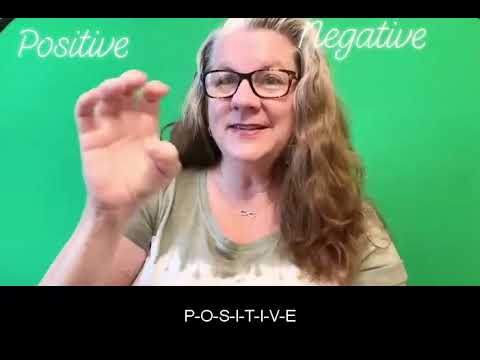
The sign “Positive” is used to convey affirmation, optimism, or a beneficial quality. It is commonly used in various contexts, such as discussing attitudes, experiences, or results that are favorable. Understanding this sign can significantly enhance your ability to express positivity in conversations.
[VIDEO_PLACEHOLDER]
Table of Contents
Forming the sign
- Handshape: Start with your dominant hand in a flat “B” shape (fingers extended and together, thumb across your palm).
- Location: Position your dominant hand in front of your torso, about shoulder height.
- Movement: Bring your hand slightly away from your body while moving it forward. You can also include a slight upward movement as you extend your hand outward.
- Non-manual signals: Pair the sign with a smile or nodding your head slightly to reinforce the positive meaning.
This sign captures the essence of positivity, and the handshape and movement work together to create a clear representation of the concept. The flat “B” shape symbolizes openness, while the movement conveys an outward, affirmative energy.
Adding degree & emphasis
To emphasize “Positive,” you can increase the force of your movement, making it more pronounced. For example, you can move your hand further away from your body or add a dramatic facial expression like an enthusiastic smile. Alternatively, if you want to convey a more subtle or moderate sense of positivity, you can use a gentler movement and a softer facial expression, perhaps with a slight smile.
Pairing “Positive” with other signs
Combining “Positive” with other signs can enhance clarity. For instance, you can pair it with “Attitude” to express a positive mindset, as in “positive attitude.” Additionally, incorporating signs like “Experience” or “Feedback” in conjunction with “Positive” helps specify the context of your message. For example, “positive experience” can be signed as “POSITIVE” followed by the sign for “experience,” reinforcing the idea of a favorable encounter.
Common confusion with a similar sign
One common point of confusion is between the signs for “Positive” and “Good.” While both convey favorable meanings, “Good” typically reflects quality or satisfaction with something, while “Positive” often relates to an affirming mindset or attitude. Paying attention to context and your facial expressions can help differentiate between these two signs.
FAQ
What contexts is “Positive” used in?
“Positive” can be used in discussions about emotions, experiences, or outcomes, such as in motivational contexts or when discussing feedback.
Can “Positive” be used to describe people?
Yes, you can use “Positive” to describe someone’s demeanor or attitude, such as saying someone has a positive outlook on life.
Is there a different sign for “Positive” in different regions?
While the sign is generally consistent, regional variations may exist. It’s good to learn from native signers in your area to ensure you’re using the sign correctly.
How can I practice signing “Positive”?
Practice in front of a mirror to watch your hand movements and facial expressions. Consider using it in context with friends or while signing sentences that convey positivity.
Practice ASL Signs
Use your camera to practice signs and get real-time AI feedback on your technique.
Free · No signup required