
Person in Sign Language (ASL)
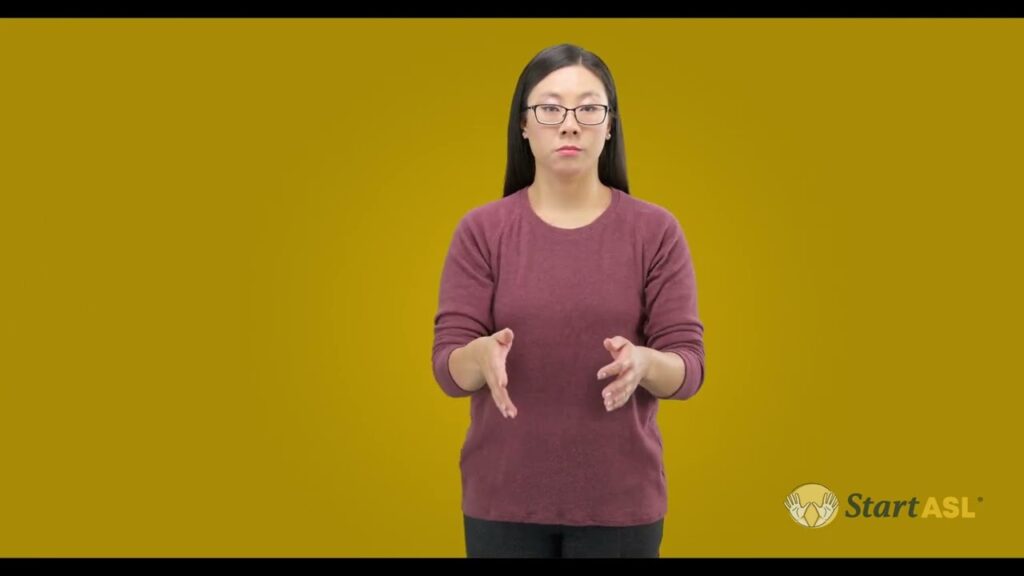
The sign “Person” is a fundamental noun in American Sign Language that represents an individual human being. It is commonly used in various contexts, from identifying someone in conversation to discussing characteristics or roles. Mastering this sign is essential for effective communication within the Deaf community.
[VIDEO_PLACEHOLDER]
Table of Contents
How to Form the Sign “Person”
- Handshape: Use the dominant hand in the “P” handshape, where the index and middle fingers are extended and held together, while the thumb is upright alongside them.
- Location: Start with the “P” handshape at the side of your body, about shoulder height.
- Movement: From the starting position, move the hand slightly forward and down. This motion should be gentle, almost as if you are placing the person into the conversation.
- Non-manual signals: Maintain a neutral facial expression during the sign. However, if you are emphasizing the person being referenced, you can raise your eyebrows slightly to convey importance or interest.
The sign “Person” is straightforward to produce once you grasp the handshape and movement. Practice makes it easier to incorporate into your vocabulary fluidly.
Using “Person” in Sentences
The sign “Person” is versatile and can be used in various contexts, such as identifying individuals, discussing occupations, or describing roles. For example, you might say, “That person is my friend,” or “I saw a person at the park.” It’s important to use context clues, like facial expressions and body language, to clarify your message when using this sign.
Related Signs to “Person”
There are several signs in ASL that are closely related to “Person,” which can help expand your vocabulary and understanding:
- Friend – Signifying a companion or ally.
- Woman – Referring specifically to a female individual.
- Man – Referring specifically to a male individual.
- Child – Indicating a young individual.
- People – A plural form to refer to a group of individuals.
Common Confusion with Similar Signs
While the sign “Person” is distinct, learners often confuse it with the sign for “People,” which uses both hands with the “P” handshape moving outward from each shoulder. Understanding the context in which each sign is used can help clarify meaning and avoid misunderstandings in conversations.
FAQ
What is the difference between “Person” and “People”?
“Person” refers to a single individual, while “People” is the plural form, used to signify multiple individuals. The handshapes and movements differ slightly, with “People” requiring both hands.
Can I use “Person” to refer to someone I don’t know?
Yes, “Person” can be used to refer to someone unknown, such as saying, “I saw a person at the store.” Context is key, so additional signs may help clarify your meaning.
What handshape do I use for “Person”? Can I use any other handshapes?
The designated handshape for “Person” is the “P” handshape. It’s important to use the correct handshape to convey the intended meaning accurately. Using different handshapes could lead to confusion with other signs.
How can I practice using “Person” in conversation?
Practice by incorporating “Person” into everyday conversations with friends or while engaging in Deaf community events. Consider role-playing scenarios where you describe people in various contexts.
Is there a cultural significance to the sign “Person”?
The sign “Person” holds cultural significance as it emphasizes individuality and identity within the Deaf community. Recognizing and respecting people as unique individuals is an important aspect of Deaf culture.
Practice ASL Signs
Use your camera to practice signs and get real-time AI feedback on your technique.
Free · No signup required