
Parallel in Sign Language (ASL)
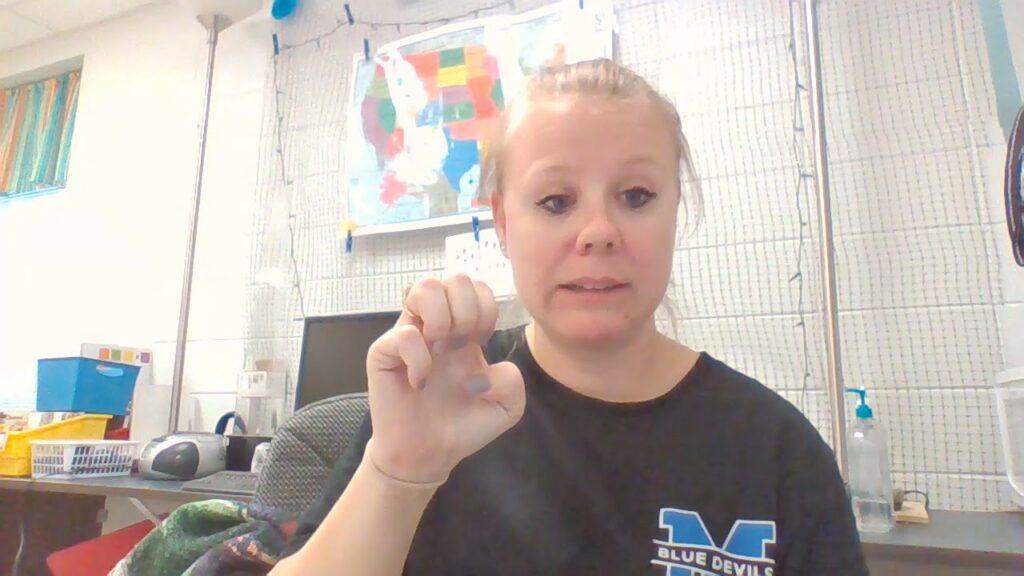
The sign “Parallel” is used in various contexts, often to describe lines or paths that run equidistant from each other without intersecting. This concept can be applied in mathematics, art, and everyday discussions about objects or ideas that are similar yet distinct. Understanding how to sign “Parallel” can enhance clarity in communication, especially when discussing geometrical shapes or comparing concepts.
[VIDEO_PLACEHOLDER]
Table of Contents
Forming the sign
- Handshape: Use both hands in a flat handshape (similar to the ASL ‘B’ handshape).
- Location: Position your hands in front of your body, approximately shoulder-width apart.
- Movement: Move both hands outward in the same horizontal direction while maintaining their position relative to each other.
- Non-manual signals: Keep your facial expression neutral, indicating clarity and focus on the concept being signed.
To express the idea of “Parallel,” start with your hands in front of your body, then extend them outward, ensuring they remain at the same height and distance apart throughout the movement. This visual representation effectively conveys the idea of lines or paths that do not converge or diverge. The use of a neutral facial expression helps in conveying the pure concept rather than inferring any emotional context.
Using “Parallel” in sentences
In ASL, the sign “Parallel” can be integrated into various sentences. For example, if you want to say, “The two lines are parallel,” you would sign “TWO LINES PARALLEL.” Similarly, in a mathematical context, you might express, “These two roads run parallel.” This sign is versatile and can be used to describe anything from lines in geometry to two ideas that run alongside each other in a discussion.
Signs related to “Parallel”
Here are some related signs that may be useful in conjunction with “Parallel”:
- Line – The sign for ‘line’ can often complement the concept of parallel lines.
- Equal – This sign can be used when discussing parallels in relationships or features.
- Distance – Useful when discussing the space between parallel lines.
- Compare – This sign can indicate a comparison between two parallel concepts.
Common confusion with a similar sign
One common misunderstanding is between the signs for “Parallel” and “Perpendicular.” While “Parallel” conveys the idea of lines that run alongside each other at equal distances, “Perpendicular” indicates lines that intersect at right angles. It is crucial to pay attention to the movement and hand positioning to avoid confusion between these two concepts.
FAQ
What contexts can I use “Parallel” in?
You can use “Parallel” in various contexts such as mathematics, art, discussions about design, or comparing ideas that are similar yet distinct.
Can the sign for “Parallel” be used in a figurative sense?
Yes, “Parallel” can be used figuratively to describe concepts or ideas that are similar or aligned in some way, even if they are not physically represented as lines.
Is there a specific facial expression required for “Parallel”?
While a neutral expression is standard, you can adjust your facial expressions based on the context to convey emphasis or clarity regarding the parallel nature of the subjects being discussed.
How can I practice the sign “Parallel” effectively?
Practicing in front of a mirror can help you see your hand positioning and movement. Additionally, working with a partner can provide feedback on the clarity of the sign.
Practice ASL Signs
Use your camera to practice signs and get real-time AI feedback on your technique.
Free · No signup required