
Number 2 in Sign Language (ASL)
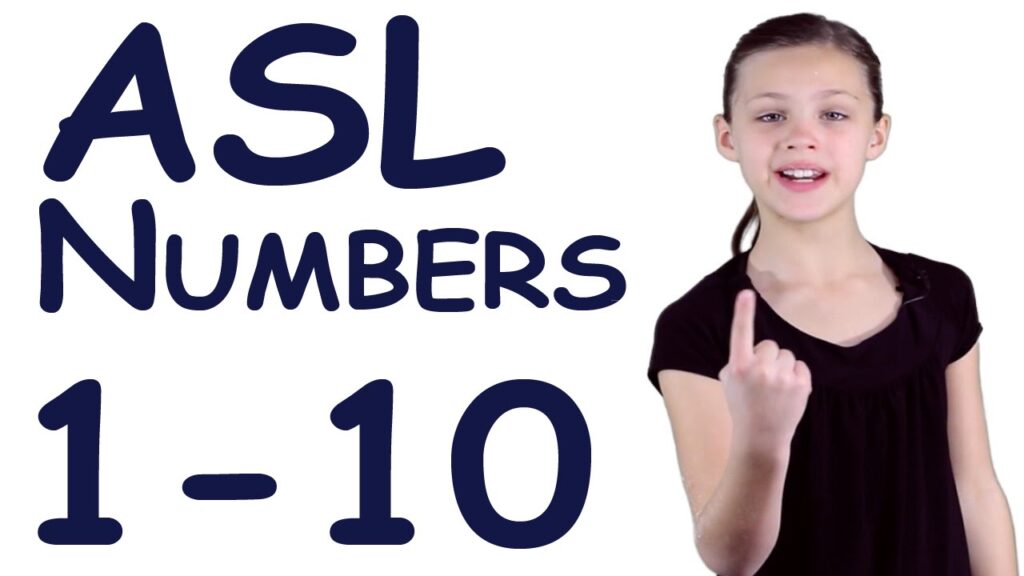
The sign “Number 2” represents the numeral two and is commonly used in various contexts, such as counting, indicating a quantity, or specifying an order. This sign is an essential part of everyday communication, especially when discussing numbers in both casual and formal settings, making it vital for effective interaction within the Deaf community.
[VIDEO_PLACEHOLDER]
Table of Contents
Forming the sign
- Handshape: Extend your index and middle fingers while keeping your ring and pinky fingers closed into your palm. Your thumb can either rest against the side of your fingers or point upward, depending on comfort.
- Location: Position your hand in front of your body, about chest height, ensuring it is visible to your conversation partner.
- Movement: There is no significant movement for this sign; it is typically held steady at the location described.
- Non-manual signals: Maintain a neutral facial expression. If you are emphasizing the number or making it part of a larger context, a slight nod may accompany the sign to reinforce its importance.
When signing “Number 2,” clarity in handshape is crucial, as a misconfigured sign can lead to confusion with other numbers. It’s also important to maintain a relaxed posture to communicate clearly and effectively.
Using “Number 2” in sentences
In conversations, “Number 2” can be used in various contexts. For instance, when counting, you might say, “I have Number 2 dogs.” In a more complex sentence, you could use it to indicate a choice, such as “I prefer the Number 2 option on the menu.” This illustrates how the sign integrates seamlessly into everyday dialogue and enhances clarity.
Signs related to “Number 2”
Familiarizing yourself with related signs can enrich your understanding and fluency in ASL. Here are a few signs that are often associated with “Number 2”:
- NUMBER – Refers to the concept of numbers in general.
- ONE – The sign for the numeral one.
- THREE – The sign for the numeral three.
- COUNT – Relates to the action of counting numbers.
Common confusion with a similar sign
Many learners of ASL may confuse “Number 2” with the sign for “B” (the letter). Both involve similar finger configurations, but “B” uses an open hand with fingers extended and together, while “Number 2” specifically requires the index and middle fingers to be extended with the other fingers closed. Awareness of this distinction is crucial for clear communication.
FAQ
What is the significance of “Number 2” in ASL?
“Number 2” is essential for counting, indicating order, and specifying quantities in conversations.
Can “Number 2” be used in different contexts?
Yes, it can be used in various contexts, such as counting objects, indicating preferences, or discussing ranking.
How can I practice signing “Number 2”?
Practice in front of a mirror to ensure your handshape and positioning are correct. You can also incorporate it into simple counting exercises with other numbers.
Are there regional variations for “Number 2”?
While the sign is generally consistent, some regions may have slight variations in handshape or movement. Observing native signers can help you identify these differences.
What should I avoid when signing “Number 2”?
Avoid confusing handshapes that might lead to incorrect interpretations. Ensure your fingers are distinct and clearly positioned to avoid blending it with other signs.
Practice ASL Signs
Use your camera to practice signs and get real-time AI feedback on your technique.
Free · No signup required