
Near in Sign Language (ASL)
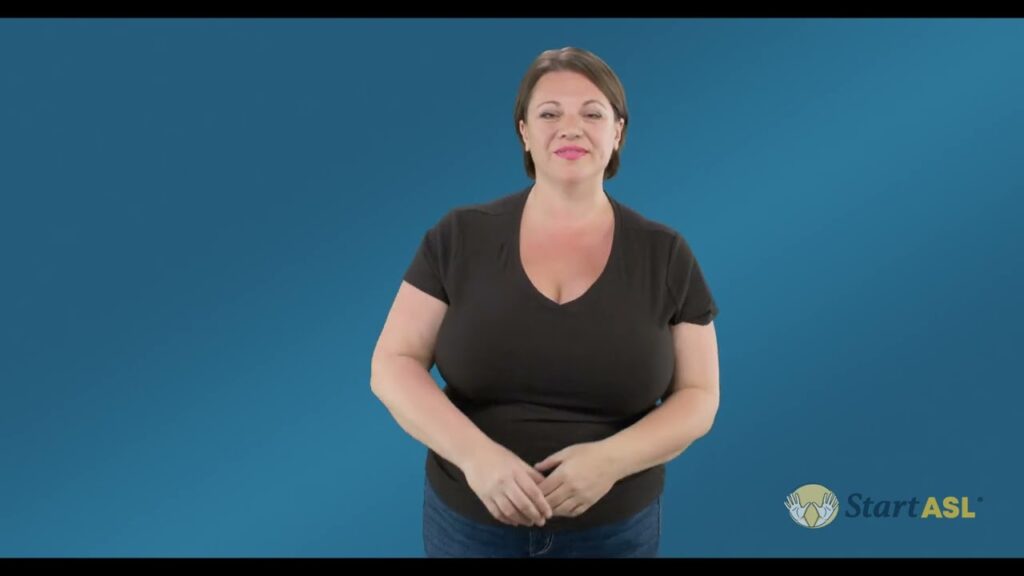
The sign “Near” conveys proximity or closeness in spatial relationships. It is often used in contexts where the distance between two objects or people is being described. This sign can enhance clarity in conversations, especially when discussing locations or directions.
[VIDEO_PLACEHOLDER]
Table of Contents
Forming the sign
- Handshape: Start with your dominant hand in a bent “B” shape, where the fingers are extended together, and the palm faces down.
- Location: Position your hand in front of your chest, allowing it to hover just above waist level.
- Movement: Move your hand slightly forward and downward, indicating the concept of closeness.
- Non-manual signals: Maintain a neutral facial expression, but you can slightly raise your eyebrows to emphasize proximity when needed.
This sign visually represents the idea of being “near” by showcasing the hand’s movement toward a point of reference, making it intuitive and easy to use in conversation.
Using “Near” in sentences
When incorporating “Near” into sentences, context is essential. For instance, if you are indicating that a person is standing near a tree, you might sign “PERSON NEAR TREE.” This structure helps convey the relationship between subjects clearly. Moreover, you can use “Near” to describe locations, such as “SCHOOL NEAR PARK,” making it useful in conversations about directions or geography.
Signs related to “Near”
To enrich your vocabulary, consider learning these related signs:
- Far – The opposite of near, indicating greater distance.
- Below – Used to describe something situated lower than another object.
- Away – Signifying distance or separation from a point.
- Close – Similar to “Near,” but can imply a more intimate or immediate distance.
Common confusion with a similar sign
Many learners confuse “Near” with “Close,” as both convey proximity. However, “Close” often implies a more intimate or immediate closeness, while “Near” can refer to a wider range of proximity. Understanding the subtle differences between these two signs can enhance clarity in your communication.
FAQ
What is the difference between “Near” and “Close”?
“Near” refers to being in close proximity, while “Close” often implies a more personal or immediate closeness.
Can “Near” be used in different contexts?
Yes, “Near” can be used to describe spatial relationships in various contexts, such as locations, directions, or even relationships between people.
Is “Near” used in all ASL regions?
Yes, “Near” is widely understood and used in ASL across different regions, although there may be slight variations in execution.
How can I practice using “Near”?
Practice by incorporating “Near” in sentences about your surroundings, such as “The book is near the lamp,” to strengthen your understanding and use.
Practice ASL Signs
Use your camera to practice signs and get real-time AI feedback on your technique.
Free · No signup required