
Mother in Sign Language (ASL)
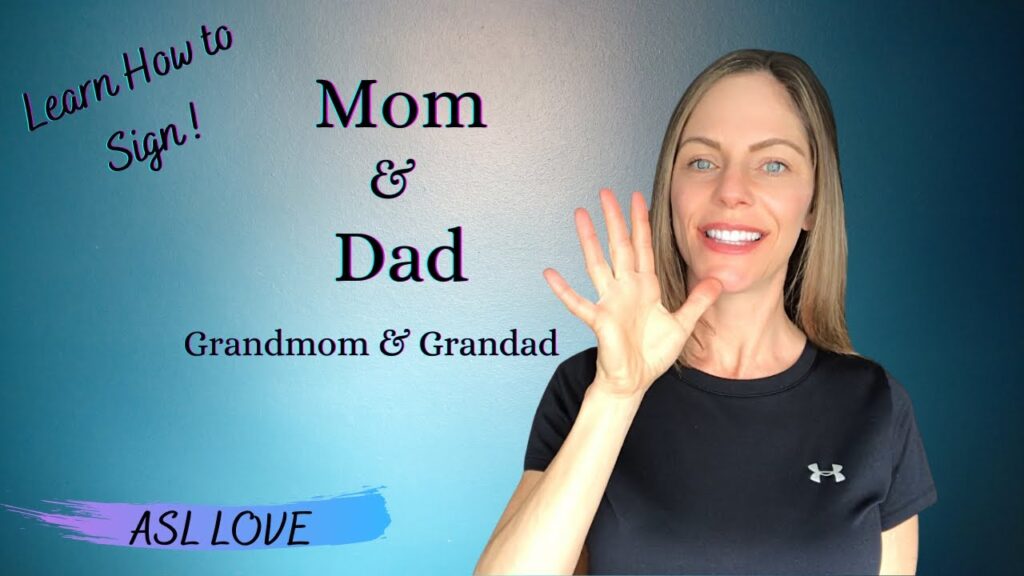
The sign for Mother is a fundamental gesture in American Sign Language, representing the concept of one’s mother or the maternal figure in a person’s life. It is commonly used in various contexts, from everyday conversations to more emotional discussions about family. Understanding how to properly form and use this sign is essential for effective communication within the Deaf community.
[VIDEO_PLACEHOLDER]
Table of Contents
How to Form the Sign “Mother”
- Handshape: Use your dominant hand in the ‘M’ handshape. This is formed by placing your thumb over your bent fingers so that the three fingers point downward.
- Location: Position your hand near your chin or the side of your face, typically in the area where you would touch your chin.
- Movement: There is a gentle downward movement as you tap your fingers on your chin once. This should be a clear and distinct motion that emphasizes the word.
- Non-manual signals: Accompany the sign with a facial expression that reflects the sentiment you associate with “Mother.” A warm smile or soft expression can convey affection and love.
The sign Mother is straightforward, but it carries deep emotional meaning. When you perform the sign, think about the context in which you are using it, as this will influence how you express yourself non-verbally.
Using “Mother” in Sentences
Incorporating the sign Mother into sentences is simple. For example, to say “I love my mother,” you can sign: “I love” (using the sign for love) followed by Mother. This sequence clearly conveys your message. In a question, such as “Is your mother here?” you would sign “Your mother here?” This highlights the importance of context and clarity in your signing.
Signs Related to “Mother”
Here are some related signs that you may find useful:
- Father: The sign for Father is similar but uses the ‘F’ handshape and is placed on the forehead.
- Parent: This sign encompasses both mother and father, using the ‘P’ handshape at the chin.
- Sister: This sign uses the ‘S’ handshape and is placed near the chin, indicating a female sibling.
- Brother: Similar to Sister but uses the ‘B’ handshape to indicate a male sibling.
- Family: This sign encompasses the broader concept of family, highlighting connections beyond just mother and father.
Common Confusion with a Similar Sign
Sometimes, learners confuse the sign Mother with the sign for “Woman,” as both involve a similar handshape and location. It’s essential to remember that the sign for Mother involves a distinct motion that includes tapping your chin while the sign for Woman is stationary at the chin. Practicing these signs in context can help clarify their meanings and uses.
Frequently Asked Questions
What is the difference between “Mother” and “Mom” in ASL?
While both signs refer to a maternal figure, “Mom” is often signed with a lighter touch or in a more informal context than “Mother.” The sign for Mom may also vary regionally.
Can I use the sign for “Mother” in a formal setting?
Yes, the sign for Mother is appropriate in both formal and informal settings. It is a universally recognized term in ASL.
When should I use facial expressions while signing “Mother”?
Facial expressions should reflect the emotion or context when using the sign for Mother. For affectionate contexts, a warm expression adds depth to your communication.
Is there a way to express a deceased mother in ASL?
Yes, you can use the sign for Mother followed by a sign for “deceased” or “passed away,” helping to clarify the context of your statement.
Practice ASL Signs
Use your camera to practice signs and get real-time AI feedback on your technique.
Free · No signup required