
Morning in Sign Language (ASL)
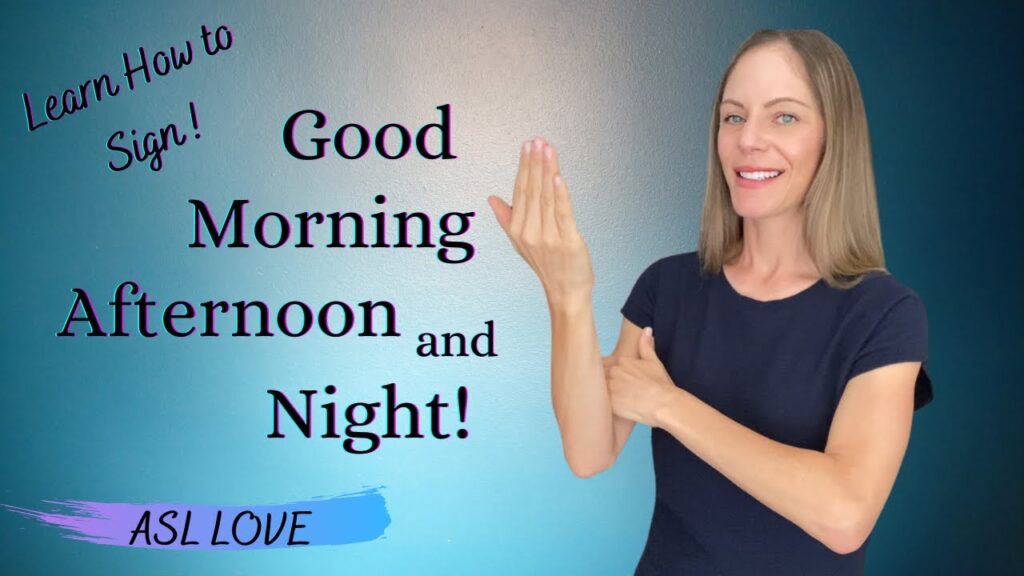
Morning is a commonly used sign in American Sign Language that refers to the early part of the day, typically from sunrise until noon. It is often used in greetings and conversations about daily routines. Understanding how to sign “Morning” effectively can enhance communication with Deaf individuals and enrich interactions in various settings.
[VIDEO_PLACEHOLDER]
Table of Contents
Forming the sign
- Handshape: Use an open hand with fingers extended and together. The dominant hand will be in this shape.
- Location: Position your dominant hand in front of your face, about chin height.
- Movement: Move your dominant hand away from your face and slightly upwards, as if representing the sun rising.
- Non-manual signals: Maintain a relaxed facial expression to convey a friendly mood. You can also raise your eyebrows slightly when signing to indicate that you are making a statement or greeting.
To summarize, the sign for Morning encapsulates the idea of a new day beginning. It visually represents the sun rising, which is a universal symbol of morning. When used in conversation, this sign may help set a positive tone and foster connection.
Using “Morning” in sentences
Here are some examples of how to incorporate “Morning” into sentences:
- “Good Morning! How did you sleep last night?”
- “I love to go for a walk in the Morning before work.”
- “What are your plans for the Morning?”
Using “Morning” when greeting someone or discussing activities planned for the Morning can make your conversations more engaging and culturally appropriate.
Signs related to “Morning”
Here are some related signs that may be useful in conjunction with “Morning”:
- Good – Often combined with “Morning” for greetings.
- Afternoon – Refers to the time after Morning.
- Evening – Represents the time after Afternoon and before night.
- Night – Denotes the time after Evening and before Morning.
Where this sign comes from
The sign for Morning is derived from the visual metaphor of the sun rising. This gesture mimics the daily phenomenon of sunlight appearing over the horizon, symbolizing the start of a new day. The cultural significance of the Morning is deeply embedded in various societies, which often associate it with renewal, awakening, and new beginnings. This connection to nature and the environment is a key aspect of Deaf culture, where visual representations often take precedence.
Common confusion with a similar sign
Sometimes, beginners confuse the sign for “Morning” with the sign for “Good Morning.” While “Morning” can stand alone, “Good Morning” typically combines the signs for “Good” and “Morning.” Make sure to practice both signs separately to avoid misunderstandings and to ensure clarity in your communication.
FAQ
What is the difference between “Morning” and “Good Morning”?
“Morning” refers solely to the time of day, while “Good Morning” is a greeting that includes both the sign for good and morning.
Can I use the sign “Morning” at any time of the day?
No, “Morning” specifically refers to the early part of the day. For other times, use “Afternoon” or “Evening” instead.
Is there a different sign for “Morning” in other sign languages?
Yes, other sign languages may have different signs for “Morning,” as each language has its unique gestures and signs based on cultural context.
Can I modify the sign to emphasize my feelings about the Morning?
Yes, you can add facial expressions or body movements to convey feelings like excitement or tiredness when signing “Morning.”
When is it appropriate to sign “Morning”?
You can sign “Morning” when greeting someone in the morning or when discussing activities planned for that time of day.
Practice ASL Signs
Use your camera to practice signs and get real-time AI feedback on your technique.
Free · No signup required