
Meat in Sign Language (ASL)
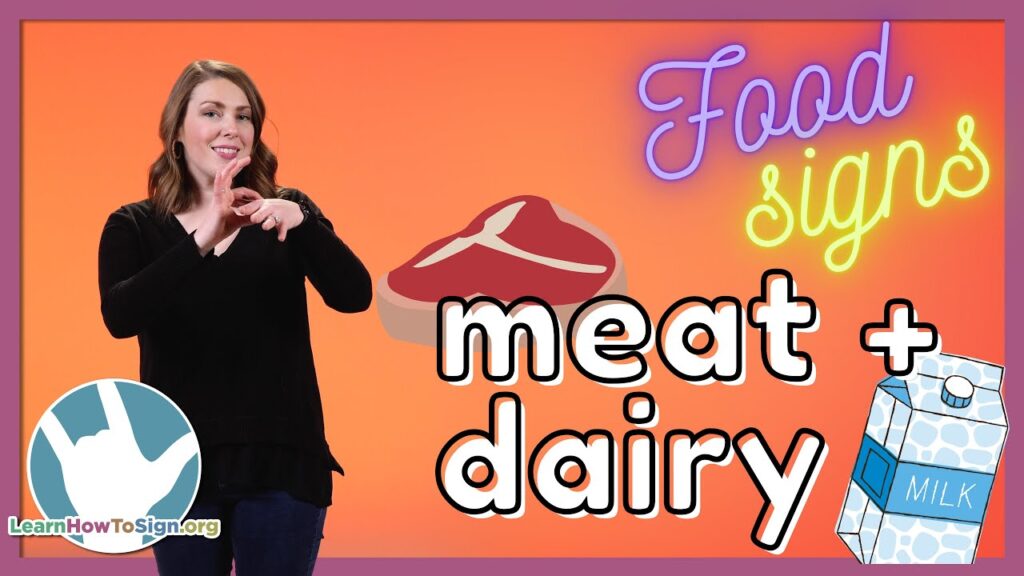
The sign for Meat represents various types of animal flesh used for consumption. This sign is frequently used in cooking discussions, restaurant settings, or when describing dietary preferences. Whether referring to beef, pork, chicken, or lamb, the sign is versatile in everyday discussions about food.
[VIDEO_PLACEHOLDER]
Table of Contents
How to Form the Sign “Meat”
- Handshape: Use the dominant hand in a flat “B” handshape (palm facing down).
- Location: Position your hand near your mouth, as if you are about to eat.
- Movement: Move the hand slightly forward and then back to its original position, mimicking the action of bringing food to your mouth.
- Non-manual signals: Maintain a neutral facial expression, but you can add a slight smile to indicate enjoyment if that fits the context.
This sign is straightforward to perform and effectively conveys the concept of meat. The movement helps to contextualize it as food, making it clear to the viewer what is being referred to.
Using “Meat” in Sentences
In conversational ASL, context is key. Here are a few examples of how to use the sign “Meat”:
– “I love eating meat, especially steak.” (Sign “I” then “love” followed by “Meat” and “steak.”)
– “What type of meat do you prefer?” (Sign “What” then “type” followed by “Meat” and “prefer.”)
– “We are having chicken meat for dinner.” (Sign “We” then “have” followed by “chicken” and “Meat” together.)
These examples illustrate how “Meat” can fit naturally into various sentences, enhancing clarity and communication.
Signs Related to “Meat”
To deepen your ASL vocabulary related to food and meat, consider learning the following signs:
– Chicken: Refers to poultry meat.
– Beef: Sign specifically for cow meat.
– Pork: Sign for pig meat.
– Fish: Sign to indicate another type of protein source.
– Vegetarian: Useful for discussing dietary preferences.
Regional Variations of the Sign “Meat”
While the sign for “Meat” is widely understood, variations may exist across different regions or communities. For instance, some might use a slightly different handshape or movement based on local dialects or personal preferences. It’s always a good idea to observe and ask if unsure, as regional nuances can enrich your understanding of ASL.
Frequently Asked Questions
What does the sign “Meat” look like?
The sign is made with a flat “B” handshape, positioned near your mouth while moving slightly forward and back.
Can I use the sign “Meat” for all types of meat?
Yes, the sign is generalized for all types of meat, such as beef, chicken, and pork, unless specified otherwise.
Is there a specific way to emphasize the type of meat?
You can pair “Meat” with specific signs for different types of meat to clarify, like “beef” or “chicken.”
When should I use the sign for “Meat”?
Use the sign in discussions about food, cooking, or when ordering at a restaurant.
Are there any cultural considerations when discussing meat?
Yes, some individuals may follow vegetarian or vegan diets for cultural or ethical reasons, so be aware of your audience.
Practice ASL Signs
Use your camera to practice signs and get real-time AI feedback on your technique.
Free · No signup required