
License in Sign Language (ASL)
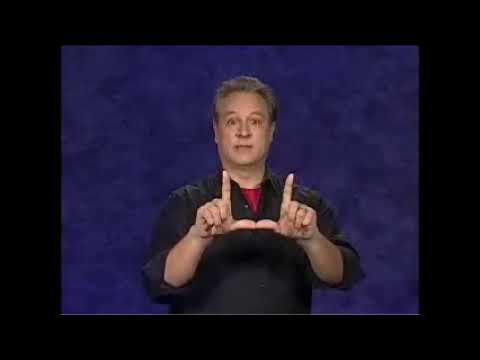
The sign “License” refers to a document granting permission to engage in various activities, such as driving or working in a particular profession. It can represent both the physical card itself and the concept of permission or legality associated with it. This sign is commonly used in discussions related to legal matters, identification, and transportation.
[VIDEO_PLACEHOLDER]
Table of Contents
Forming the sign
- Handshape: The sign for License uses a closed ‘L’ handshape. This means your index finger and thumb should be extended and meet at a right angle, while the other fingers are tucked into your palm.
- Location: The sign is made near the chest area, typically around the center of your body, where it is easily visible to those you are communicating with.
- Movement: To perform the sign, you will move your ‘L’ handshape in a small circular motion. This movement should be fluid and relaxed, emphasizing the idea of a license being an ongoing or active permission.
- Non-manual signals: Maintain a neutral facial expression while forming the sign, but you can add emphasis with a slight raising of your eyebrows if you want to stress the concept of the license being important or significant.
When signing “License,” it is essential to be clear and articulate the handshape and movement, as this enhances communication and ensures understanding, especially in legal contexts.
Using “License” in sentences
Here are some examples of how “License” can be used in everyday conversation:
- “I need to show my License to drive.” (This indicates that proof of driving qualifications is necessary.)
- “Do you have a License for this job?” (This implies that a specific qualification or permission is required for employment.)
- “He lost his License and can’t drive until he replaces it.” (This expresses a situation where someone is unable to drive due to a lost document.)
Signs related to “License”
Several signs are commonly associated with “License” in various contexts:
- Permit – A sign representing permission given, often used interchangeably with “License.”
- Card – Referring to the physical representation of a License.
- Registration – This sign relates to the process of obtaining a License.
- Certificate – Represents a document similar to a License but often used in educational or professional contexts.
- ID – A sign for identification, which is often required along with a License.
Common regional variations
In some regions, the sign for “License” may vary slightly in movement or handshape. For example, some users might perform the circular motion with a different degree of emphasis or use a different handshape entirely. These variations can be influenced by local sign language communities or cultural differences. It’s beneficial to be aware of these variations, especially when communicating with individuals from different areas.
FAQ
What is the difference between “License” and “Permit” in ASL?
While both terms imply permission to do something, “License” generally refers to a legal document issued by an authority, while “Permit” can indicate a broader range of permissions, often temporary.
Can “License” also mean something other than a driver’s license?
Yes, “License” can refer to various types of licenses, such as business licenses, professional licenses, and recreational licenses, depending on the context.
Are there different signs for different types of licenses?
Yes, while “License” is a general sign, some contexts may have specific signs to represent different types of licenses, such as a fishing license or a marriage license.
How can I practice the sign for “License” effectively?
To practice, find a mirror or record yourself signing. Focus on the clarity of your handshape and movement, and try using it in different sentences to build confidence.
Is “License” commonly used in everyday conversations?
Yes, “License” comes up frequently in conversations about driving, jobs, and legal matters, making it an important sign to know.
Practice ASL Signs
Use your camera to practice signs and get real-time AI feedback on your technique.
Free · No signup required