
I Love You Too in Sign Language (ASL)
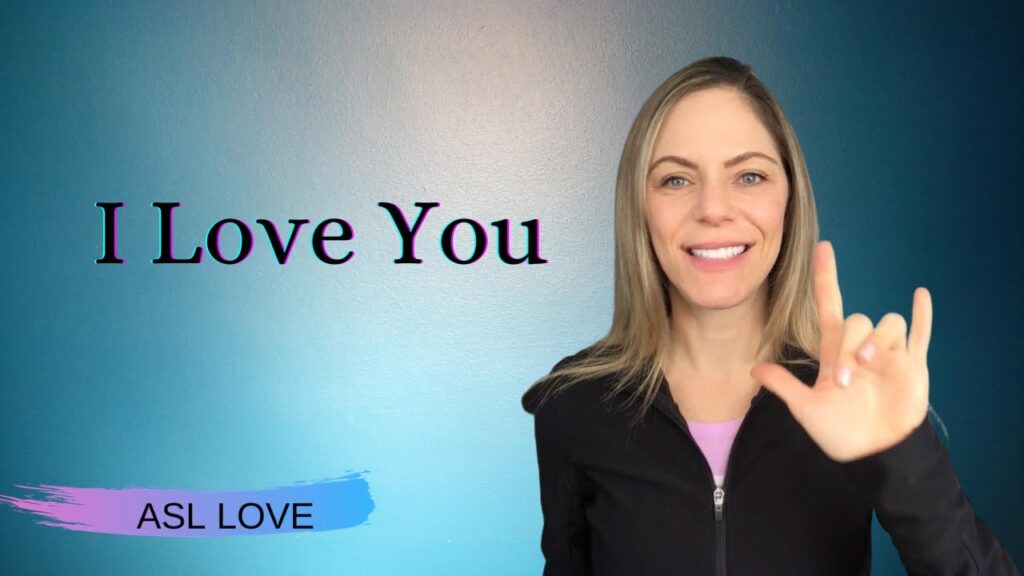
The sign “I Love You Too” expresses affection and reciprocation, often used in conversations among friends, family, and romantic partners. It conveys a warm acknowledgment when someone states their love for you, indicating that you feel the same way. This sign is versatile and can be adapted based on the context of the conversation.
[VIDEO_PLACEHOLDER]
Table of Contents
Signing the phrase
- Handshape: Begin with your dominant hand in the “I Love You” shape, which combines the letters I, L, and Y. This is achieved by extending your pinky finger (I), your thumb (L), and your index finger (Y).
- Location: Position your hand about chest height, facing outwards towards the person you are addressing.
- Movement: There is a slight outward movement as you sign “too.” This can be a gentle wave or a similar motion to indicate the message is for them as well.
- Non-manual signals: Accompany the sign with a warm smile and engaging eye contact. These facial expressions help convey sincerity and warmth.
To summarize, the sign “I Love You Too” incorporates the established “I Love You” handshape with an added movement to signify reciprocation. The expression is heartfelt and essential in affirming relationships.
When and how it’s used
“I Love You Too” is commonly used in both casual and intimate settings. You might use it after a partner or friend expresses their love for you, or in response to a family member’s affection. It is a way to strengthen emotional bonds and foster connections. Remember to use appropriate facial expressions and gestures to emphasize the sentiment behind your signing.
Conversational variations
While “I Love You Too” is the standard response, variations may occur depending on context or cultural nuances. For example, in more casual settings, you might simply express “Love You Too,” using a more relaxed handshape or gesture. Additionally, some might prefer a playful or exaggerated sign to emphasize their feelings, showcasing the personal touch in how they communicate affection.
Signs related to “I Love You Too”
I: The individual sign for “I,” which you can use in various contexts.
Love: A sign that can be used independently to express affection.
You: The sign for “you,” which is essential for various expressions.
Too: A sign that conveys the idea of “also” or “as well,” often used in conversational contexts.
Friend: A related sign that emphasizes relationships and connections, often used in friendly exchanges.
A learner’s tip
When learning to sign “I Love You Too,” practice with a partner to get comfortable with the movement and expression. Pay close attention to how your facial expressions enhance the meaning of the sign. Engaging in role-play scenarios where you express and reciprocate love can also help solidify your understanding and fluency with this sign.
FAQ
What is the proper facial expression for this sign?
A warm smile and eye contact are essential when signing “I Love You Too.” These non-manual signals enhance the sentiment and sincerity of the message.
Can “I Love You Too” be used in casual conversations?
Yes, it can be used in both casual and formal contexts. It’s a versatile expression of affection and can be adapted to fit the situation.
Is there a difference in signing “I Love You” and “I Love You Too”?
Yes, “I Love You Too” includes a slight movement to indicate reciprocation, while “I Love You” remains static. It’s important to incorporate the outward gesture when signing “I Love You Too.”
Can children use this sign?
Absolutely! “I Love You Too” is a great sign for children to learn, as it helps them express their feelings in a positive way. It can be practiced with family members and friends.
What should I do if I forget the sign during a conversation?
If you forget the sign, you can always revert to fingerspelling “I Love You Too” or use facial expressions and gestures to communicate your feelings until you remember the sign.
Practice ASL Signs
Use your camera to practice signs and get real-time AI feedback on your technique.
Free · No signup required