
His in Sign Language (ASL)
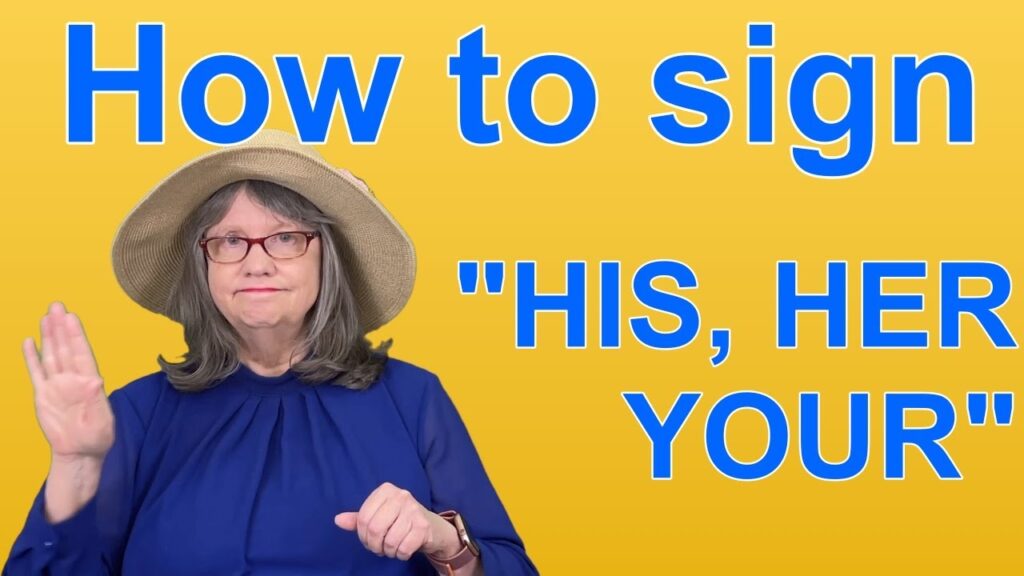
The sign for “His” is used to indicate possession or ownership, specifically in reference to a male individual. It helps clarify who something belongs to in conversations, making it an essential part of possessive expressions in American Sign Language. This sign is commonly utilized in various contexts, whether discussing personal items or relationships.
[VIDEO_PLACEHOLDER]
Table of Contents
Forming the sign
- Handshape: Use the dominant hand in the “B” handshape, where the fingers are extended together and the thumb is folded across the palm.
- Location: Position the sign at the side of your forehead or near the chin. The location can vary slightly depending on the individual’s signing style.
- Movement: From the chosen location, move the hand slightly away from the face, maintaining the “B” handshape throughout the motion. This movement signifies the act of indicating possession.
- Non-manual signals: Maintain a neutral facial expression while signing “His.” However, incorporating a slight nod can enhance the emphasis on possession.
To summarize, the sign for “His” is formed by using a “B” handshape, placed near the forehead or chin, moving slightly outward, and accompanied by appropriate facial expressions. This combination helps convey the possessive nature of the sign effectively.
Using “His” in sentences
Incorporating “His” into sentences is straightforward. You might say, “His book is on the table,” which in ASL would involve signing “His” followed by the sign for “book” and indicating the location with the sign for “on” and “table.” It’s useful to remember that the context of your conversation can influence how prominently you sign “His.” In discussions where ownership is clear, the sign may be done more quickly, while in more complex contexts, you may want to emphasize it further.
Signs related to “His”
Several signs relate to “His” and enhance the context of possession. Here are a few:
- Her – Indicating possession related to a female individual.
- My – Pointing to personal ownership.
- Your – Showing possession towards the person being spoken to.
- Own – Expressing the sense of personal ownership.
Common confusion with a similar sign
One common source of confusion is between “His” and “Him.” While both signs involve a similar handshape and location, “His” is a possessive form, signifying ownership, whereas “Him” is used to refer to someone directly and does not imply possession. Ensuring clarity in context can help avoid misunderstanding these two signs.
FAQ
What is the difference between “His” and “His” in a sentence?
The sign “His” is used to indicate possession, while the context of the sentence will clarify what is owned. For example, “His shirt” means the shirt belongs to him.
Can “His” be used for plural ownership?
No, “His” specifically indicates possession by one male individual. For plural ownership, you would need to use other signs, such as “Their.”
Is there a specific context when “His” is not necessary?
In some situations, if the ownership is clear from context, you might not need to sign “His” repeatedly. However, including it can add clarity.
How do I emphasize “His” in a conversation?
To emphasize “His,” you can slow down the signing motion, use facial expressions that convey importance, or repeat the sign for added emphasis.
Practice ASL Signs
Use your camera to practice signs and get real-time AI feedback on your technique.
Free · No signup required