
Happy Halloween in Sign Language (ASL)
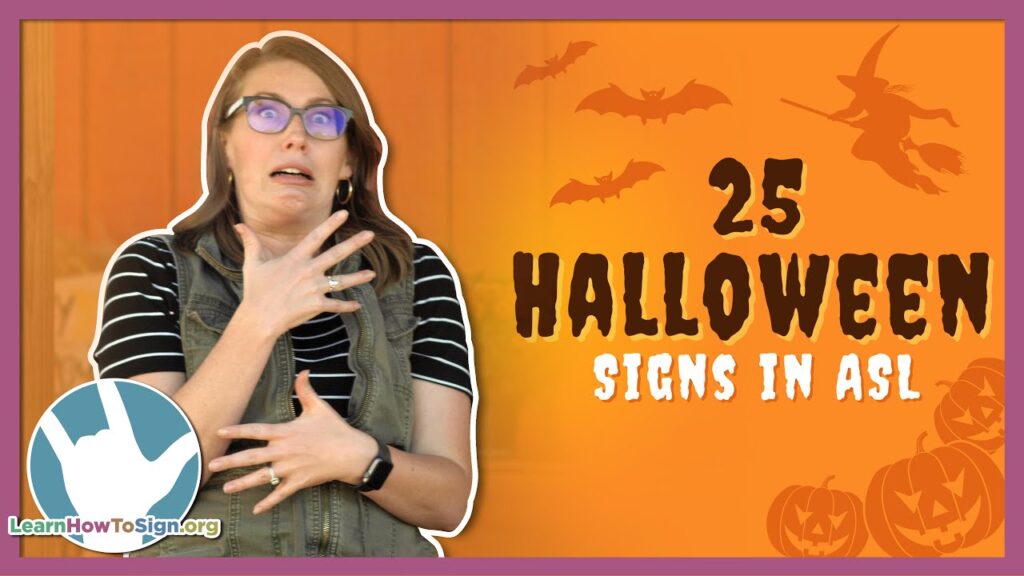
Happy Halloween is a festive expression used to celebrate the Halloween holiday, often accompanied by excitement and joy. This sign conveys both greetings and well wishes during the Halloween season, making it a popular way to share the spirit of the holiday with friends and family. The sign combines the concepts of happiness and Halloween, creating a cheerful gesture that is easily recognized within the Deaf community.
[VIDEO_PLACEHOLDER]
Table of Contents
Signing the phrase
- Handshape: Start with both hands in a “5” handshape, where all fingers are extended and spread apart.
- Location: Position your dominant hand near your chin for the “Happy” part and then move both hands away from your body to convey the “Halloween” part.
- Movement: For “Happy,” move your dominant hand away from your chin in an outward and upward motion. For “Halloween,” bring both hands out and slightly down while maintaining the “5” handshape.
- Non-manual signals: Pair your signing with a smile and an enthusiastic facial expression to convey the excitement of the holiday.
When signing Happy Halloween, it’s essential to maintain a joyful demeanor, as this enhances the meaning of the phrase. The combination of hand movements and facial expressions contributes to the overall warmth of the greeting, making it more engaging.
When and how it’s used
Happy Halloween is typically used in conversations leading up to and during the Halloween season. It is a friendly way to greet people as they prepare for Halloween festivities, such as trick-or-treating, costume parties, and haunted house visits. You can use this sign when meeting friends, family, or fellow community members, expressing your excitement for the holiday and sharing in the fun.
Conversational variations
While Happy Halloween is a common phrase, variations can add playfulness and creativity to your signing. You might pair it with signs for “costume,” “candy,” or “spooky” to create a more elaborate conversation about Halloween activities. Additionally, using different facial expressions can convey various emotions, such as excitement, fear, or humor, making your conversations more engaging and lively.
Common confusion with a similar sign
Some learners might confuse Happy Halloween with the sign for “happy” or “holiday.” While both share elements of joy, Happy Halloween is distinct in its festive connotation specifically related to the Halloween celebration. Ensure that the context is clear by incorporating Halloween-themed signs or imagery in your conversations.
FAQ
What is the significance of the non-manual signals in this sign?
Non-manual signals, like facial expressions, play a crucial role in conveying emotions and context. For Happy Halloween, a cheerful facial expression amplifies the excitement of the greeting.
Can I use this sign when greeting someone outside of Halloween?
While Happy Halloween is specific to the holiday, you can adapt the greeting to other festive occasions by changing the signs to reflect the respective holiday, like “Merry Christmas.”
Is there a regional variation for this sign?
Although the sign for Happy Halloween is fairly consistent, some regions may have unique gestures or signs associated with local Halloween traditions. It’s always good to learn from others in your community.
How can I practice the sign effectively?
To practice, find a partner who is also learning ASL, and use the sign in context, such as during Halloween-themed conversations. Recording yourself signing can also help you assess your handshapes and movements.
What age group commonly uses this sign?
Happy Halloween is widely used across all age groups. Children use it when trick-or-treating, while adults incorporate it into party greetings and conversations about Halloween.
Practice ASL Signs
Use your camera to practice signs and get real-time AI feedback on your technique.
Free · No signup required