
Hammer in Sign Language (ASL)
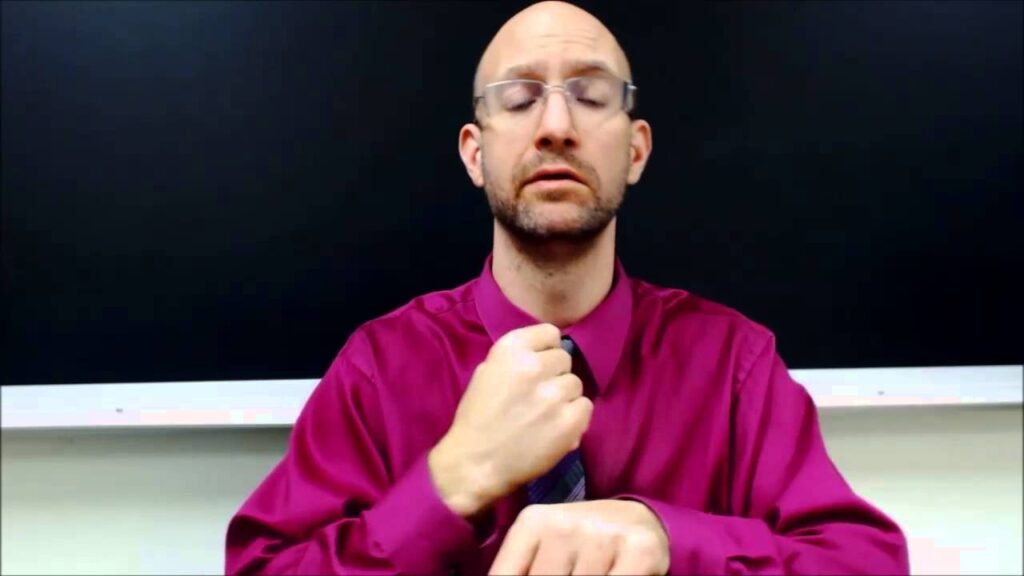
The sign “Hammer” represents the tool used for striking or driving objects, typically nails, into surfaces. This sign is commonly used in contexts related to construction, woodworking, or any discussions involving tools. It’s a straightforward sign that illustrates the action associated with its name.
[VIDEO_PLACEHOLDER]
Table of Contents
Forming the sign
- Handshape: Use a dominant hand in a fist (the closed handshape). This handshape mimics the head of a hammer.
- Location: Position your dominant hand near your non-dominant hand, which can be in a flat position, representing the surface that the hammer is striking.
- Movement: Bring the dominant fist downward to tap it against the non-dominant hand or palm, simulating the action of hammering.
- Non-manual signals: You can add emphasis by furrowing your eyebrows or slightly leaning forward as you perform the sign to convey forcefulness, which mirrors real-life hammering.
The sign effectively communicates the concept of a hammer through both its handshape and movement. Practicing the motion will help solidify the action in your memory and improve your signing fluency.
Using “Hammer” in sentences
Here are a few examples of how to incorporate “Hammer” into sentences:
- Example 1: “I need to hammer the nails into the wood.” (Sign “I” then “HAMMER” and “NAILS” followed by “WOOD”.)
- Example 2: “Do you have a hammer?” (Sign “YOU” then “HAVE” and “HAMMER”.)
- Example 3: “He is hammering the wall.” (Sign “HE” followed by “HAMMER” and “WALL”.)
Using the sign in context can enhance both your vocabulary and your ability to communicate effectively in ASL. Practice these sentences with a partner to gain confidence.
Signs related to “Hammer”
Here are a few signs that are related to “Hammer” in the context of tools and construction:
- Nail – Represents the small metal fastener used in conjunction with a hammer.
- Tool – Refers to any instrument used to carry out a particular function.
- Construction – Encompasses the building and repairing of structures.
- Wood – Refers to the material often worked on with a hammer.
Regional variation
In different regions of the Deaf community, the sign for “Hammer” may exhibit slight variations in movement or handshape. For example, some users may prefer a more exaggerated motion for the downward strike, while others may keep it subtle. It’s beneficial to observe and adapt to local signing styles when interacting with different groups.
FAQ
What is the significance of the non-manual signals in the sign “Hammer”?
Non-manual signals, such as facial expressions, can enhance the meaning of the sign. By adding emphasis with your eyebrows or body posture, you can convey the intensity or urgency associated with hammering.
Are there other signs for different types of hammers?
Yes, there are specific signs for different types of hammers, such as a sledgehammer or a claw hammer. Each sign reflects the unique characteristics of the hammer being referenced.
Can “Hammer” be used in metaphorical contexts?
Absolutely! “Hammer” can be used metaphorically to describe actions such as enforcing rules or making a strong impact in discussions.
How can I practice the sign “Hammer”?
Practice in front of a mirror or with a partner. Incorporating it into sentences and using it in real-life scenarios can help reinforce your understanding and usage of the sign.
Practice ASL Signs
Use your camera to practice signs and get real-time AI feedback on your technique.
Free · No signup required