
Hall in Sign Language (ASL)
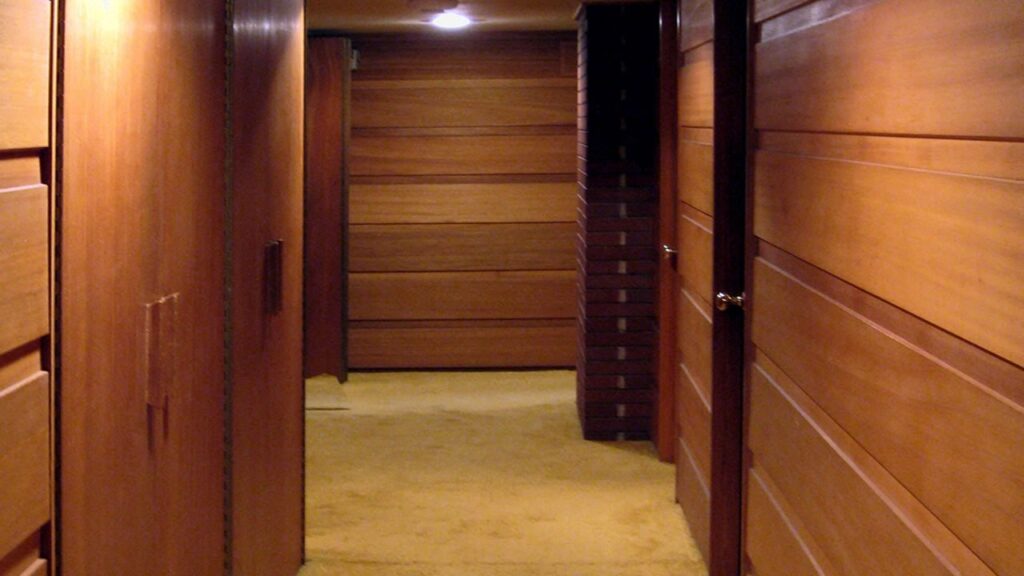
The sign for Hall represents a large room or corridor often found in schools, buildings, or homes where people gather or pass through. This sign is commonly used in various contexts, such as when describing locations within a school or discussing plans for events in a communal area.
[VIDEO_PLACEHOLDER]
Table of Contents
Forming the sign
- Handshape: Start with your dominant hand in a flat ‘B’ handshape, where the fingers are extended and together, with the thumb across the palm.
- Location: Position your hand in front of your body, typically around chest height, to represent the space of the hall.
- Movement: Move your hand away from your body in a horizontal direction, simulating the length of a hall. This movement can be fluid, emphasizing the space of the hall.
- Non-manual signals: You can raise your eyebrows slightly to indicate that you are discussing a location, which adds clarity and emphasis to your signing.
This sign is visually descriptive, allowing the receiver to understand not just the concept of a “hall” but also its spatial context. The horizontal movement mimics the length of a hallway, reinforcing the meaning conveyed.
Using “Hall” in sentences
When incorporating the sign Hall into sentences, it is often used to describe locations or activities occurring within that space. For example, you might sign: “The meeting is in the hall” or “I will meet you in the hall after class.” This helps clarify where an event is taking place and makes it easier for the audience to visualize the context.
Signs related to “Hall”
- Room – A smaller enclosed space, often distinguished from larger areas like a hall.
- Corridor – A narrow passage, which may also represent a type of hall.
- Building – A structure that may contain multiple halls.
- School – A place where halls are commonly found, often used in educational contexts.
- Meeting – An event that might occur in a hall.
Where this sign comes from
The sign Hall has developed within the Deaf community as a practical and visual representation of large gathering spaces. It draws from the spatial qualities of American Sign Language, emphasizing movement and form to convey meaning. This sign reflects the necessity for clear communication about locations that are crucial in everyday interactions, especially in educational and professional settings.
Common confusion with a similar sign
Some learners may confuse the sign for Hall with the sign for Room, as both involve a handshape indicating space. However, the movement and position differentiate them: Hall involves a horizontal movement to indicate length, while Room tends to have a more localized, compact sign. Practicing these signs in context can aid in clearly distinguishing their meanings.
FAQ
What does the sign for Hall look like?
The sign typically features a flat ‘B’ handshape moving horizontally in front of the signer, simulating the space of a hall.
How can I use “Hall” in everyday conversation?
You can incorporate it into sentences by referencing events or locations, such as “Let’s meet in the hall” or “The concert is in the hall.”
Are there different signs for Hall in other regions?
While the sign for Hall is fairly standardized, variations may exist based on regional dialects within the Deaf community. It’s beneficial to observe local usage.
What is the importance of using non-manual signals with this sign?
Non-manual signals like facial expressions add context and clarity to the sign, helping convey the intended meaning more effectively.
Practice ASL Signs
Use your camera to practice signs and get real-time AI feedback on your technique.
Free · No signup required