
Hairdresser in Sign Language (ASL)
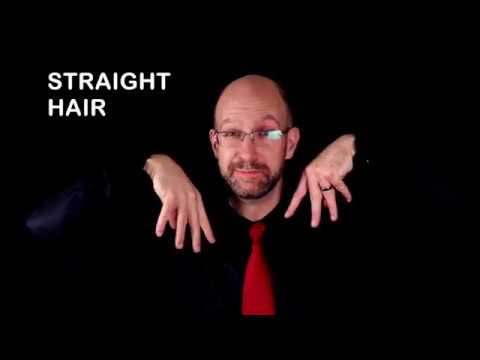
The sign for Hairdresser represents a professional who styles and cuts hair. It is commonly used in conversations about personal grooming, beauty appointments, and hair care. When discussing hairdressers, this sign helps clarify who is being referred to in a social context or when making plans to visit a salon.
[VIDEO_PLACEHOLDER]
Table of Contents
Forming the sign
- Handshape: Start with the dominant hand in a bent ‘B’ shape. This means that your fingers are extended and together, but the tips are bent down towards your palm.
- Location: Position your dominant hand near the side of your head, specifically around the area of your temple, which represents where hair is typically styled or cut.
- Movement: Move your hand in a circular motion, as if you are brushing or styling hair. This motion should be smooth and fluid, mimicking the action of a hairdresser working on a client’s hair.
- Non-manual signals: Maintain a neutral facial expression to convey that the action is routine. You can also raise your eyebrows slightly to indicate a question if you’re asking about someone’s hairdresser.
When you combine these elements, the sign effectively communicates the role of a hairdresser in a visually engaging way, emphasizing the action of styling hair.
Using “Hairdresser” in sentences
In your daily conversations, you might say, “I have an appointment with my hairdresser tomorrow.” For instance, you can sign: “I (index finger) HAVE (both hands moving forward) APPOINTMENT (hands moving to form ‘A’ shapes) WITH HAIRDRESSER (perform the sign).” This structure allows you to clearly convey your plans.
Another example could be discussing experiences: “My hairdresser does an amazing job.” This can be signed as “MY (using the possessive sign) HAIRDRESSER (perform the sign) DOES (sign for ‘do’) AMAZING (sign showing excellence).” These structures help integrate the sign into varied contexts.
Signs related to “Hairdresser”
Familiarizing yourself with related signs can enhance your conversations about hair and beauty. Here are some useful links:
- Hair – This sign is used to refer to hair in general.
- Salon – The sign for a place where hairdressers work.
- Cut – This is relevant when discussing haircuts specifically.
- Stylist – A broader term that can include hairdressers and other beauty professionals.
- Beauty – This can be used in conversations about grooming and aesthetics.
Common confusion with a similar sign
Some learners might confuse the sign for Hairdresser with the sign for Barber. While both refer to professionals who cut hair, the sign for Barber typically involves a different handshape and movement, often reflecting a more traditional style associated with male grooming. Understanding these distinctions can help in ensuring clarity during conversations.
Frequently Asked Questions
What is the difference between a hairdresser and a barber?
While both cut hair, hairdressers typically offer a wider range of services, including coloring and styling, while barbers traditionally focus on men’s haircuts and grooming.
Can I use the sign for Hairdresser for any stylist?
Yes, the sign for Hairdresser can be used broadly for anyone who styles hair, including cosmetologists and other professionals in the beauty industry.
What if I want to refer to my personal hairdresser?
You can indicate possession by using the sign for “my” before the sign for Hairdresser, making it clear you’re referring to a specific individual.
Is there a different sign for hair coloring?
Yes, hair coloring has its own sign. It may be beneficial to learn this if you frequently discuss hair treatments.
How can I practice the sign effectively?
Practice in front of a mirror to ensure your handshape, location, and movement are accurate. Additionally, try incorporating it into casual conversations with Deaf friends or in ASL classes.
Practice ASL Signs
Use your camera to practice signs and get real-time AI feedback on your technique.
Free · No signup required