
Hair in Sign Language (ASL)
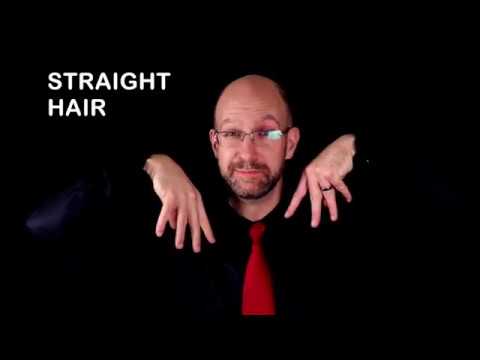
The sign “Hair” refers to the strands that grow on a person’s head and is an essential part of discussions about appearance and grooming. It’s often used in contexts where someone is describing their hairstyle, discussing hair color, or talking about hair care. This sign is not only practical but also a key part of social interactions among Deaf individuals.
[VIDEO_PLACEHOLDER]
Table of Contents
Forming the sign
- Handshape: Use your dominant hand in a flat “B” handshape (palm facing down).
- Location: Position your hand near the top of your head, approximately at the crown.
- Movement: Move your hand downwards along the side of your head. The motion can vary depending on the context or specific emphasis regarding the hair.
- Non-manual signals: You may accompany the sign with facial expressions that convey your feelings about the hair, such as a smile for positive comments or a frown for negative ones.
This sign is straightforward but effective in various contexts. The movement can be adjusted for emphasis, such as a quick brush down for short hair or a more prolonged motion for long hair. Understanding the nuances of the sign will enhance communication about appearance and style.
Using “Hair” in sentences
In conversational ASL, “Hair” can be used in various sentences. For instance, you might sign: “I like your hair,” or “My hair is long.” Additionally, you could describe actions related to hair, such as, “I cut my hair,” or “She is styling her hair.” The flexibility of the sign allows for both compliments and discussions about hairstyles or hair care routines.
Signs related to “Hair”
To enhance your vocabulary around hair, consider these related signs:
- Length – Discussing the length of hair, whether short, medium, or long.
- Color – Referring to hair color, such as brown, blonde, or red.
- Style – Indicating different hairstyles, like curly, straight, or updo.
- Cut – Talking about a haircut or trimming hair.
- Shampoo – Discussing hair care products and routines.
Where this sign comes from
The sign for “Hair” has roots in the cultural practices and everyday experiences of Deaf individuals, particularly in the context of grooming and personal care. As hair is a significant aspect of both personal identity and cultural expression, the development of this sign reflects its importance in Deaf culture. Understanding its origins can deepen appreciation for how language evolves based on people’s shared experiences.
FAQ
What is the proper way to sign “Hair” for long hair?
When signing for long hair, you can extend the downward motion further down to emphasize the length. You might also include a brief flicking motion to indicate flowing hair.
Can “Hair” be used to describe other types of hair?
Yes, while the primary sign refers to head hair, you can modify your facial expressions and accompanying signs to indicate other types of hair, such as facial hair or body hair.
How do you ask someone about their hairstyle?
You can combine the sign for “Hair” with a questioning expression, such as raising your eyebrows, and sign “what style” to inquire about their hairstyle.
Are there regional variations for the sign “Hair”?
Yes, some regions may have slight variations in the handshape or movement. It’s helpful to observe local signing practices to understand these differences.
Practice ASL Signs
Use your camera to practice signs and get real-time AI feedback on your technique.
Free · No signup required