
Grandfather in Sign Language (ASL)
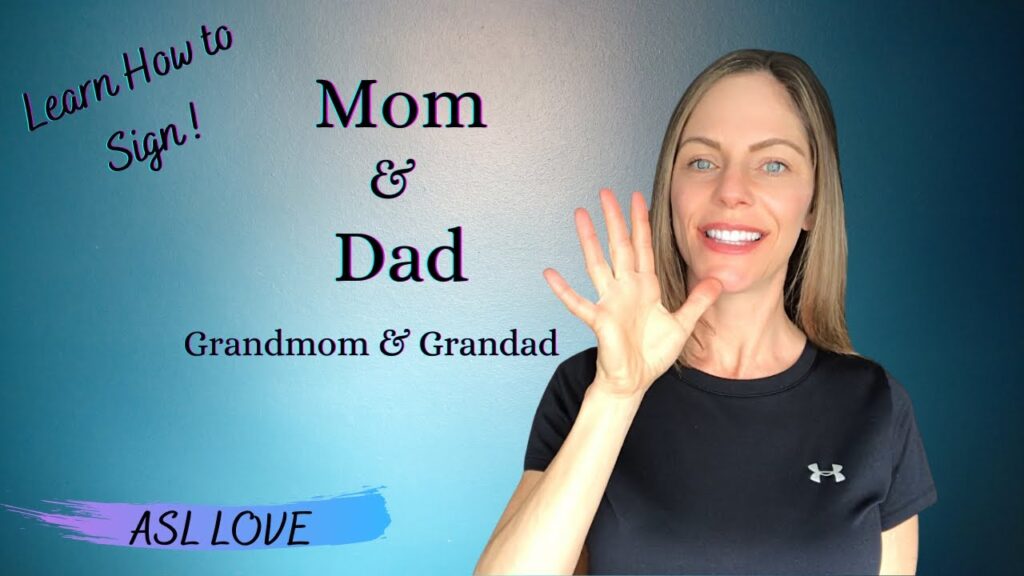
The sign for Grandfather represents a significant family relationship, referring specifically to one’s father’s or mother’s father. It is commonly used in conversations about family, genealogy, and personal stories, making it an essential part of discussing family dynamics in Deaf culture.
[VIDEO_PLACEHOLDER]
Table of Contents
Forming the sign
- Handshape: The sign starts with an “A” handshape, which is formed by making a fist with the thumb resting alongside the fingers.
- Location: Begin the sign near your forehead, which symbolizes the idea of lineage and ancestry.
- Movement: Move the hand forward and slightly away from the forehead, maintaining the “A” handshape throughout the movement.
- Non-manual signals: While performing the sign, maintain a neutral facial expression or slightly smile to convey warmth and familiarity associated with family relationships.
This sign effectively communicates the concept of a grandfather, emphasizing the familial connection. The movement away from the forehead can symbolize the passing of wisdom and heritage from one generation to the next.
Using “Grandfather” in sentences
Here are a few examples of how to incorporate “Grandfather” into sentences:
- My grandfather is very wise. – “MY GRANDFATHER VERY WISE.” (Use a non-manual signal to show emphasis on “wise”.)
- I visit my grandfather every weekend. – “I WEEKEND VISIT MY GRANDFATHER.” (The placement can emphasize the regularity of the visits.)
- My grandfather loves to tell stories. – “MY GRANDFATHER LOVE TELL STORIES.” (Add facial expressions to show joy.)
Signs related to “Grandfather”
Understanding related signs can enhance your communication about family. Here are some signs that are often used in conjunction with “Grandfather”:
- Grandmother – The counterpart to grandfather, representing one’s grandmother.
- Father – Indicates one’s dad, a direct lineage connection.
- Parent – A broader term that encompasses both mother and father.
- Family – A sign that represents the collective unit of relatives.
- Child – Refers to one’s offspring, linking to the generational aspect.
Where this sign comes from
The sign for Grandfather has roots in the cultural significance of family ties in Deaf communities. Family structures are pivotal in Deaf culture, emphasizing the importance of lineage and ancestry. The sign, using the “A” handshape, reflects how family roles are traditionally viewed in many cultures, but with a unique adaptation to ASL, enhancing visibility and connection within the Deaf community.
A learner’s tip
When learning to sign “Grandfather,” practice with a partner to receive feedback on your handshape and movement. Additionally, observe how native signers incorporate facial expressions and body language alongside the sign, as these elements can significantly enhance understanding and convey emotional context.
FAQ
How do I differentiate between Grandfather and Grandmother in ASL?
Grandfather is signed with the “A” handshape, while Grandmother uses the “G” handshape. The movement remains similar, but the handshapes are distinct.
Can I sign Grandfather without using facial expressions?
While you can perform the sign without facial expressions, adding non-manual signals enhances the meaning and emotional context, making your communication more effective.
Is the sign for Grandfather the same across all regions?
While the basic sign is widely recognized, there may be regional variations in the handshape or movement. It’s helpful to learn from individuals within specific communities.
What is the significance of Grandfather in Deaf culture?
Grandfathers often hold a special place in family lineage and storytelling within Deaf culture, serving as a bridge between generations and preserving cultural narratives.
Practice ASL Signs
Use your camera to practice signs and get real-time AI feedback on your technique.
Free · No signup required