
Good Morning in Sign Language (ASL)
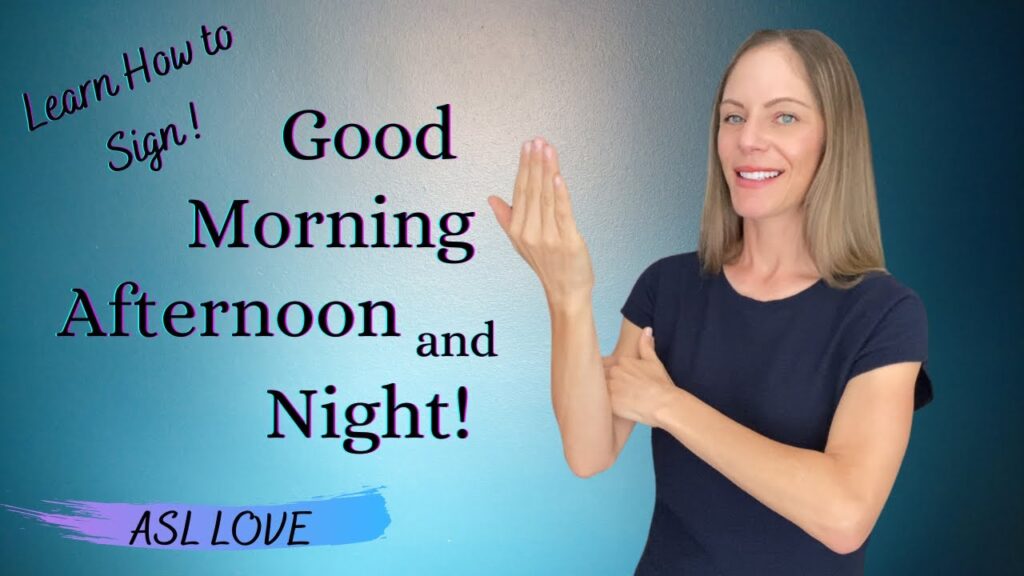
Good Morning is a common greeting used in the morning hours, conveying a sense of positivity and well-wishing to the person you are addressing. It is an essential part of polite conversation in the Deaf community, helping to establish rapport and warmth. When you want to greet someone at the start of the day, saying “Good Morning” in ASL is a friendly way to connect.
[VIDEO_PLACEHOLDER]
Table of Contents
Signing the phrase
- Handshape: Start with your dominant hand in the open “B” handshape (the palm facing out).
- Location: Position your hand near your chin.
- Movement: Move your hand outward and slightly away from your chin in a gentle, sweeping motion.
- Non-manual signals: Accompany the sign with a bright facial expression to convey cheerfulness.
To form the sign “Good Morning,” begin with your dominant hand shaped like a “B,” and start near your chin. As you sweep your hand forward and outward, relax your facial expressions into a smile. This combination of handshape, movement, and facial expression emphasizes the positive sentiment behind your greeting.
When and how it’s used
“Good Morning” is typically used in the early part of the day, ideally before noon. This phrase serves as a polite and friendly way to initiate conversation and show goodwill. It can be used in various contexts, such as greeting family members, friends, or colleagues. The casual nature of this greeting makes it suitable for both formal and informal settings. For instance, you might sign “Good Morning” when entering a classroom, meeting someone in the hallway, or simply starting a video call with friends.
Conversational variations
While “Good Morning” is a common greeting, there are several variations and nuances that can be added for more personalization. For example, you can use your non-dominant hand to gesture towards the person you are greeting, which helps to create a more inclusive atmosphere. Additionally, you may want to emphasize your enthusiasm by adding a nod or a more animated facial expression. In different cultural contexts, you might incorporate regional signs or dialects, which can add depth to your greeting.
Common confusion with a similar sign
Some learners may confuse “Good Morning” with other greetings, such as “Hello” or “Good Afternoon.” While all these signs serve to initiate conversation, they are distinct in terms of timing and usage. “Hello” is more general and can be used at any time of the day, while “Good Afternoon” specifically refers to the period after noon. To avoid confusion, practice distinguishing these signs by associating each with its appropriate time of day and context.
FAQ
What is the appropriate time to use “Good Morning”?
“Good Morning” is typically used in the morning, generally before noon. It’s a friendly way to start conversations at the beginning of the day.
Can I use “Good Morning” with a group of people?
Yes, you can use “Good Morning” to greet multiple people at once. Just make sure to make eye contact with everyone as you sign to ensure each person feels included.
Is the sign for “Good Morning” the same across different regions?
While the basic sign remains consistent, some regional variations may exist. It’s always beneficial to learn from local Deaf individuals to understand any specific nuances.
How can I practice my signing for “Good Morning”?
Practice in front of a mirror or with friends who know sign language. Focus on your facial expressions and the fluidity of your hand movements to enhance the greeting.
What if I want to say “Good Morning” more enthusiastically?
You can emphasize your enthusiasm by using a bigger hand movement and a brighter facial expression. Adding a nod or smile enhances the warmth of your greeting.
Practice ASL Signs
Use your camera to practice signs and get real-time AI feedback on your technique.
Free · No signup required