
Game in Sign Language (ASL)
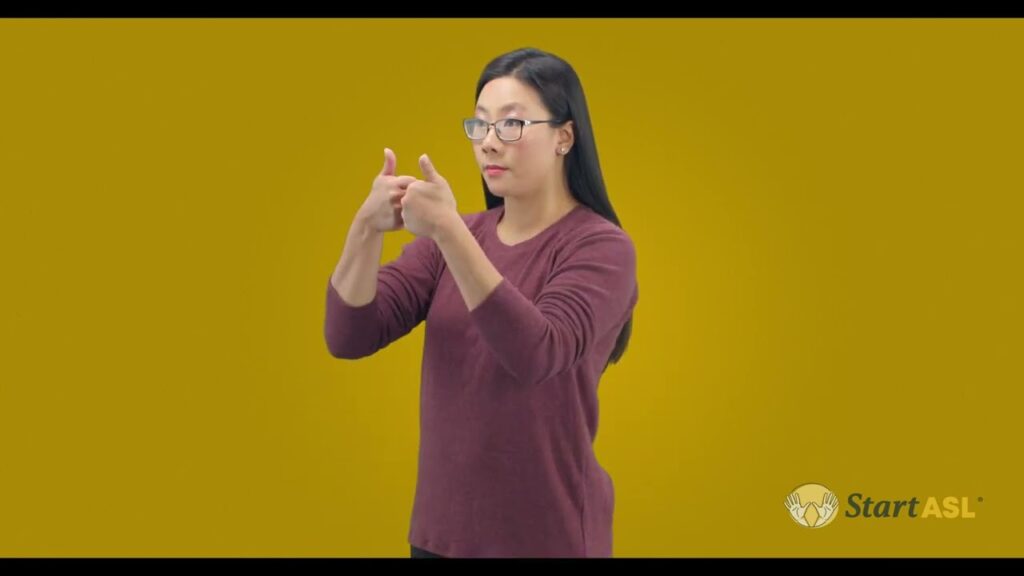
Game refers to various forms of play or competitive activities that often involve rules, objectives, and participants. In ASL, the sign captures the essence of these activities through specific hand movements and expressions. This sign is commonly used in conversations about sports, board games, video games, and other recreational pursuits.
[VIDEO_PLACEHOLDER]
Table of Contents
Forming the sign
- Handshape: The dominant hand forms a flat “B” handshape (with fingers extended and thumb tucked against the palm).
- Location: The sign is typically made near the dominant side of the body, around waist to chest height.
- Movement: The dominant hand moves slightly forward and then returns to the starting position, often accompanied by a slight bounce to convey excitement.
- Non-manual signals: Facial expressions play a crucial role in conveying the enthusiasm associated with games. Smiling or raising eyebrows while signing can enhance the meaning.
The sign for Game is fluid and dynamic, reflecting the playful nature of the concept. The flat handshape and movement can also suggest the engagement and interaction that come with playing games, while the non-manual signals add emotional context to the sign.
Using “Game” in sentences
In everyday conversation, “Game” can be integrated into various sentences. For example, you might say, “I want to play a game,” or “What game do you want to play?” This sign can also be used in context with specific games, such as “I’m playing a video game” or “Let’s play a board game.” It’s versatile and applicable in many recreational scenarios, making it a staple in discussions about leisure activities.
Signs related to “Game”
- Play – A sign used to indicate the act of engaging in games or playful activities.
- Sport – Refers to physical activities and games, usually competitive in nature.
- Board Game – Specifically points to games played on a board, such as Monopoly or Chess.
- Compete – Indicates competition, relevant to many games and sports.
Where this sign comes from
The sign for Game has evolved within the Deaf community and is influenced by the culture surrounding play and competition. Historically, games have served as a means of social interaction and bonding. The dynamic nature of the sign reflects how games are not only activities but also cultural expressions of enjoyment and togetherness.
Common confusion with a similar sign
Some learners may confuse the sign for Game with the sign for Play, as both share similar hand shapes and locations. However, while “Play” conveys the action of engaging in an activity, “Game” specifically refers to the structured activity itself. Paying attention to the context of the conversation can help clarify which sign to use.
FAQ
What types of games can “Game” refer to?
The sign for Game can refer to various types, including sports, board games, video games, and other recreational activities that involve rules and competition.
Can I use “Game” to describe a specific game?
Yes, you can specify a particular game by naming it along with the sign. For example, you can say “I love soccer game” while signing “Game.” This adds clarity and context.
How can I enhance my use of the sign “Game”?
Incorporating facial expressions and enthusiastic movements can enhance the sign’s meaning and convey a sense of excitement about the game being discussed.
Is there a difference in signing “Game” for different cultures?
While the sign for Game may vary slightly in different sign languages, the concept remains similar across cultures, reflecting the universal appeal of games and play.
Practice ASL Signs
Use your camera to practice signs and get real-time AI feedback on your technique.
Free · No signup required