
Forest in Sign Language (ASL)
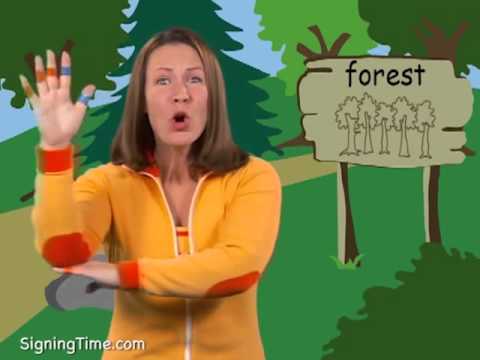
The sign for Forest represents a large area covered with trees, plants, and wildlife. It is often used in conversations about nature, conservation, and outdoor activities. Understanding how to sign Forest can enrich discussions about environmental topics and personal experiences in nature.
[VIDEO_PLACEHOLDER]
Table of Contents
Forming the sign
- Handshape: Use your dominant hand in a “5” handshape, where your fingers are spread wide apart.
- Location: Position your dominant hand in front of your chest, typically slightly to one side.
- Movement: Starting from the initial position, wave your hand gently side to side, as if indicating the movement of trees swaying in the wind.
- Non-manual signals: Incorporate facial expressions that convey a sense of calmness or appreciation, as this enhances the meaning of the sign.
This sign captures the essence of a forest’s natural beauty. The waving motion symbolizes the movement of trees, while the spread fingers emphasize the vastness and abundance of nature. When used in context, it can evoke feelings of tranquility and connection to the environment.
Using “Forest” in sentences
Here are examples of how to incorporate Forest into your conversations:
- “I love hiking in the Forest during the fall.”
- “The Forest is full of diverse wildlife.”
- “Let’s go camping in the Forest this weekend.”
These sentences highlight different activities and experiences related to forests, making it a versatile sign in various contexts. You can use it when discussing environmental issues, personal outdoor activities, or even to share stories about adventures in nature.
Signs related to “Forest”
Expanding your vocabulary around the theme of Forest can help in more detailed conversations. Here are some related signs:
- Tree – A basic building block of the forest ecosystem.
- Nature – The broader context that encompasses forests and all natural elements.
- Hike – An activity often enjoyed in forests.
- Wildlife – The animals that inhabit forested areas.
- Conservation – The important practice of protecting forested environments.
Regional variation
The sign for Forest can have slight variations depending on the region. In some areas, you might see a more pronounced waving motion or a different handshape. These regional differences enrich the language and reflect the diverse experiences of Deaf communities across the country.
Common confusion with a similar sign
Some learners may confuse the sign for Forest with the sign for “jungle.” While both deal with areas filled with vegetation, the sign for jungle often involves a more closed handshape and a different movement pattern. Being aware of these subtle differences will aid in clarity during conversations.
FAQ
What is the difference between Forest and Wood?
Forest refers to a larger area densely populated with trees, while Wood is often used to describe a smaller area of trees or the material obtained from trees.
Can I use the sign for Forest for other similar words?
While you can use it to discuss related concepts, it’s best to use specific signs like “tree” or “jungle” when discussing those topics to avoid confusion.
How can I practice signing Forest?
Practice signing Forest in front of a mirror, or record yourself to see your handshape and movement. Additionally, try incorporating it into sentences about your experiences in nature.
Is there a cultural significance to the sign Forest?
Yes, forests hold cultural significance in many communities, often symbolizing life, growth, and sustainability. Understanding this context can deepen the meaning of the sign.
What are some common mistakes when signing Forest?
A common mistake is using an inappropriate handshape or not emphasizing the movement. Ensure your fingers are spread wide and the motion reflects the natural swaying of trees.
Practice ASL Signs
Use your camera to practice signs and get real-time AI feedback on your technique.
Free · No signup required