
Finger in Sign Language (ASL)
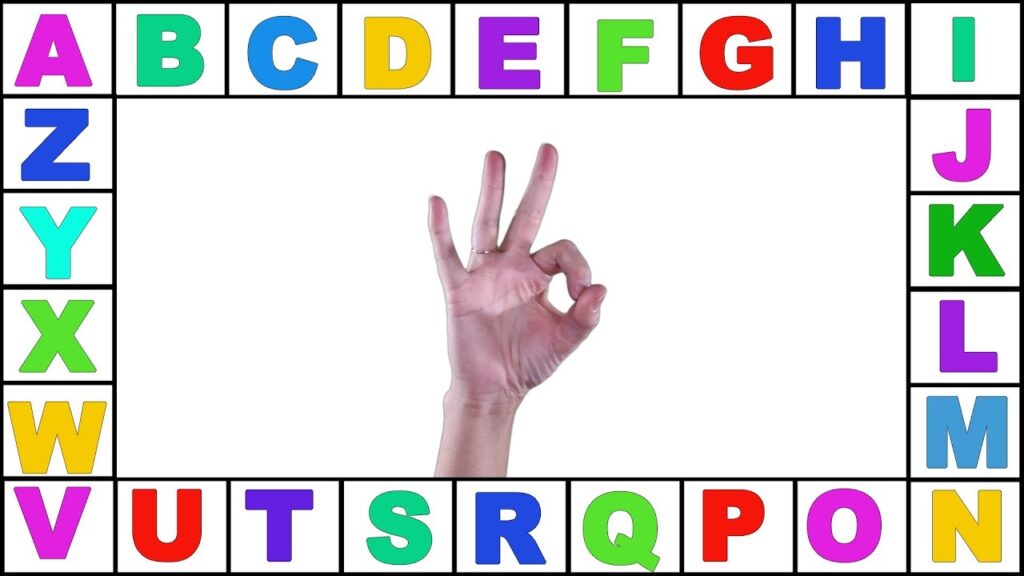
The sign “Finger” refers to a digit of the hand, typically used when discussing anatomy, pointing, or indicating items. It is a fundamental sign in American Sign Language that is widely recognized and used in various contexts, from casual conversations to educational settings.
[VIDEO_PLACEHOLDER]
Table of Contents
Forming the sign
- Handshape: Use your dominant hand in a flat “B” handshape with fingers extended and held together.
- Location: Position your dominant hand in front of your body, approximately at chest height, facing outward.
- Movement: There is a slight movement when making the sign, typically a gentle tapping of the fingers against the thumb or another surface, emphasizing the concept of “finger.”
- Non-manual signals: You may incorporate facial expressions that match the context. For instance, if describing someone’s fingers, you could raise your eyebrows for emphasis.
To summarize, the sign “Finger” is created with a flat “B” handshape at chest height, involving a light tapping motion. This sign is generally clear and easy to recognize, making it an essential part of signing in various situations.
Using “Finger” in sentences
Here are some examples of how you can use “Finger” in sentences:
- My finger hurts – sign this by showing your injured finger while expressing discomfort.
- Point with your finger – emphasize the action of pointing using the sign.
- The teacher asked me to raise my finger – demonstrate the action of raising a finger to indicate you want to speak.
Signs related to “Finger”
Here are some related signs that you may find useful:
- Hand – The general sign for the entire hand, useful in broader anatomical discussions.
- Point – Directly related as it involves the action of indicating with a finger.
- Touch – Frequently used in contexts where fingers make contact with something.
- Fingerprint – A specialized sign used in discussions of forensic science or identity.
Regional variation
Interestingly, while the sign for “Finger” is widely recognized, there can be slight regional variations in how it is signed. Some Deaf communities might incorporate different movements or handshapes based on local dialects or preferences. It’s beneficial to observe and adapt to the preferences of the community you are engaging with.
FAQ
What is the difference between “Finger” and “Point”?
“Finger” specifically refers to the digit itself, while “Point” is the action of using a finger to indicate something.
Can I use “Finger” to refer to all digits?
Yes, “Finger” can refer to any of the fingers on the hand, but it is often used in a general sense unless specified.
Are there different signs for each finger?
While “Finger” covers all fingers, specific signs can be used for each digit if needed, particularly in educational contexts.
How do I indicate which finger I’m referring to?
You can specify by using the sign for “Finger” along with pointing or by placing the sign on the specific finger you are talking about.
Practice ASL Signs
Use your camera to practice signs and get real-time AI feedback on your technique.
Free · No signup required