
Fight in Sign Language (ASL)
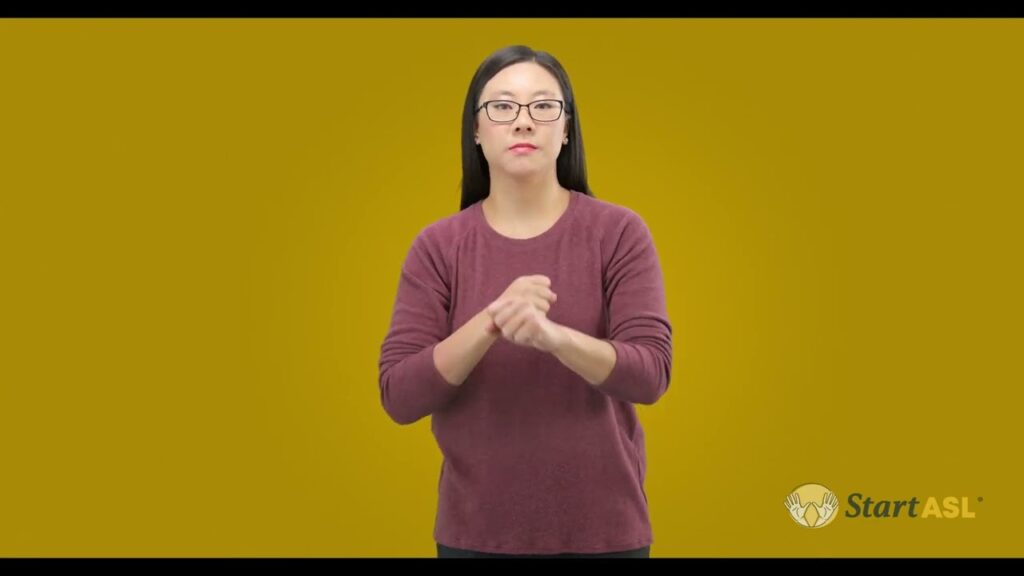
The sign “Fight” represents the action of engaging in a physical confrontation or struggle, often characterized by aggression or competition. This sign can be used in various contexts, from sports to personal conflicts, and is recognized in both casual and serious discussions. Understanding how to sign “Fight” can enhance communication about conflicts or competitions within the Deaf community.
[VIDEO_PLACEHOLDER]
Table of Contents
Forming the sign
- Handshape: Both hands should be in a fist position, with the fingers curled into the palm.
- Location: Start with the fists positioned at shoulder height, approximately in front of your body.
- Movement: Move both fists forward in a punching motion, extending your arms slightly as if you are mimicking a fight. You may also combine this movement with a slight upper body lean to emphasize the action.
- Non-manual signals: Add intensity to the sign by furrowing your brow and tightening your lips, displaying determination or aggression.
When forming the sign, it is essential to maintain a confident posture and expression that reflects the intensity of the action. This helps convey the meaning more effectively to your audience.
Showing tense, aspect & repetition
To indicate different tenses or aspects of “Fight,” you can modify the movement or the intensity of the sign. For instance, a quick, sharp movement may represent a current fight, while a slower, more drawn-out motion might signify a past event. Repeatedly performing the sign can also convey an ongoing struggle or a series of fights. Understanding these variations adds depth to your communication and helps clarify your intended meaning.
“Fight” in everyday signing
In everyday conversations, “Fight” can be used to describe a range of scenarios, from sports matches to personal disputes. You might say, “They had a fight at the game” or “I don’t want to fight with you.” The context in which you use the sign can significantly affect its interpretation. Incorporating facial expressions and body language further enhances the clarity of your message, making it more relatable and engaging for your audience.
Common mistakes to avoid
One common mistake is using exaggerated movements, which can make the sign seem less authentic. Instead, aim for a natural and fluid motion that reflects the intensity of the action. Additionally, remember to maintain appropriate eye contact and facial expressions, as these are crucial in conveying emotion and context in ASL. Another error is failing to differentiate between “Fight” and similar signs, such as “Play” or “Spar,” which may appear similar but have distinct meanings.
Related signs
- Argue – A sign representing a verbal disagreement or conflict.
- Boxing – The sport of fighting in a ring using gloves, which shares a similar physical context.
- Spar – A friendly practice fight, often used in martial arts, indicating a less aggressive encounter.
- Competition – A broader term that can encompass fights, contests, or any competitive scenario.
A learner’s tip
When learning to sign “Fight,” practice in front of a mirror to observe your handshape, movement, and facial expressions. Additionally, try recording yourself to evaluate your signing and gain confidence in your technique. Engaging with other signers can also provide valuable feedback and help you refine your skills in real-time conversations.
FAQ
What is the difference between “Fight” and “Spar”?
“Fight” typically indicates a more aggressive or serious confrontation, while “Spar” refers to a friendly practice session, often seen in martial arts.
Can “Fight” be used in a non-physical context?
Yes, “Fight” can also refer to verbal arguments or disputes, depending on the context in which it is used.
How can I express different emotions while signing “Fight”?
Use facial expressions and body language to convey emotions—frowning to show anger or determination, for example, or a more relaxed expression for a less serious conflict.
Is there a cultural significance to the sign “Fight”?
Yes, in some communities, “Fight” can reflect social dynamics, competition in sports, or historical references to struggles, making it a significant sign in various contexts.
Practice ASL Signs
Use your camera to practice signs and get real-time AI feedback on your technique.
Free · No signup required