
F Word in Sign Language (ASL)
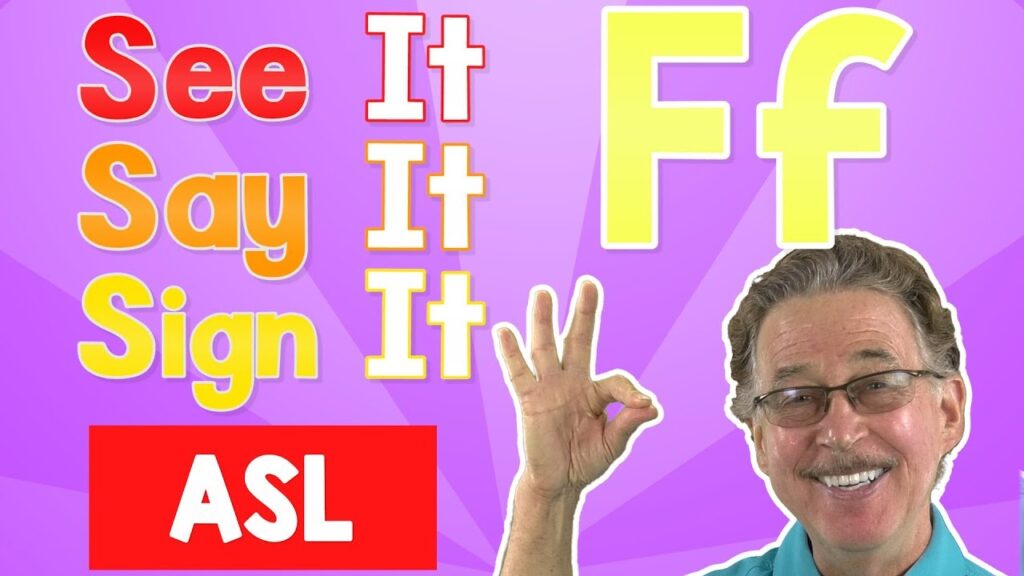
F Word is a commonly used sign in American Sign Language that refers to a profanity often used to express strong emotions or frustration. While it can serve as a stand-in for a variety of sentiments, its impact largely depends on the context and tone in which it is delivered. This sign, while recognizable, is often used sparingly and is typically reserved for informal settings among those who share an understanding of its meaning.
[VIDEO_PLACEHOLDER]
Table of Contents
Forming the sign
- Handshape: The sign is made using the “F” handshape, where the thumb and index finger touch to form a circle while the other fingers are curled into the palm.
- Location: The “F” handshape is typically positioned in front of your body, around chest height.
- Movement: You will make a quick flicking motion away from your body, almost as if you are tossing the sign away from you. This movement can add emphasis to the sign.
- Non-manual signals: Facial expressions play an important role in conveying the intended emotional tone. A furrowed brow or a slight lip movement can enhance the intensity of the sign.
The formation of the sign is straightforward, yet the emotional expression through your face and body language is crucial to delivering the intended meaning. This sign often carries strong connotations, and displaying the right expression can make your intent clear to the audience.
Using “F Word” in sentences
In casual conversations, you might use F Word to express frustration or anger. For example, if something goes wrong, you might sign something like: “I can’t believe that happened! F Word!” This conveys not just the word itself, but your emotional response to the situation. Another example could be during a discussion about a challenging day, signing: “Today was difficult. F Word!”
When using F Word, be mindful of the context and the audience, as it is still considered a profanity. In more formal settings or around individuals who may find this sign offensive, it’s wise to choose alternative expressions to convey your feelings.
Signs related to “F Word”
There are several signs that relate to feelings of frustration or anger, offering alternatives depending on the context:
- ANGRY – A sign to convey feelings of anger without using profanity.
- EXHAUSTED – A sign to express tiredness and frustration.
- FRUSTRATED – A more toned-down emotion related to irritation.
- ENOUGH – Used to express that you’ve had your fill of something, often conveying a limit.
- OH NO – A sign expressing dismay or frustration in a lighter context.
Common confusion with a similar sign
It’s important to distinguish F Word from other signs that might have similar handshapes or movements but convey different meanings. For example, the sign for “FAMILY” also uses the “F” handshape but is performed with a different movement and facial expression. Misunderstanding this could lead to unintentional offense or confusion, so always be attentive to the context in which you are using these signs. Practice and familiarity with the differences will help clarify your intended messages.
FAQ
Is F Word offensive?
Yes, F Word is considered a profanity in both English and ASL. It should be used with caution, especially in formal or unfamiliar contexts.
Can I use F Word in casual conversations?
F Word is typically acceptable among friends or in informal settings where all participants share an understanding of its meaning.
How can I express the same sentiment without using F Word?
You can use signs like ANGRY or FRUSTRATED to express similar feelings without resorting to profanity.
What facial expressions should I use when signing F Word?
Your facial expression should match the intensity of the emotion you’re conveying. A furrowed brow or a grimace can help emphasize the frustration behind the sign.
Are there other variations of this sign?
While F Word is generally consistent in its form, some regional variations may exist in how it’s signed or emphasized, depending on local Deaf communities.
Practice ASL Signs
Use your camera to practice signs and get real-time AI feedback on your technique.
Free · No signup required