
Egg in Sign Language (ASL)
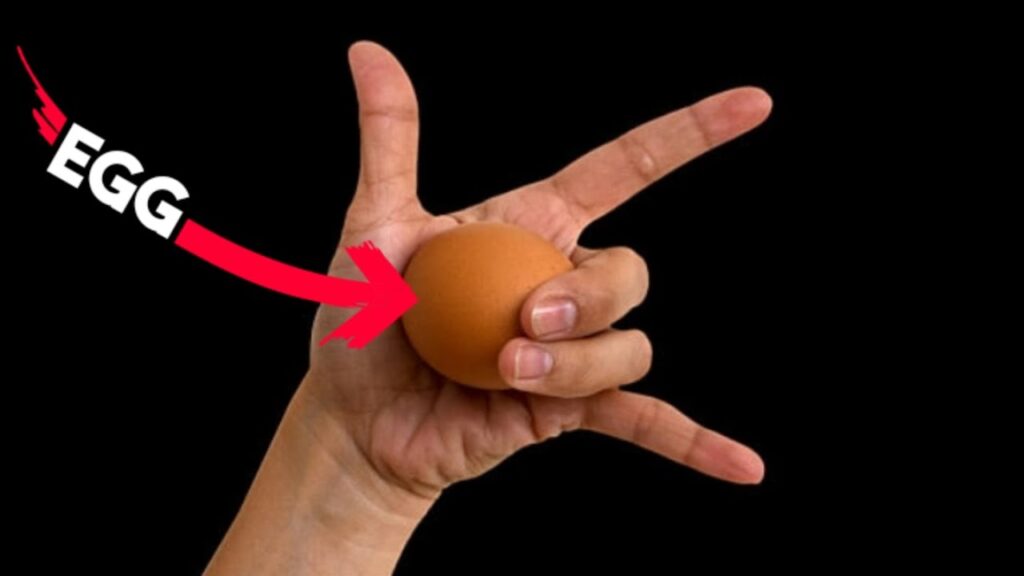
The sign for Egg represents the common oval-shaped food item that is a staple in many diets. It’s used in various contexts, from cooking to discussing breakfast options. This sign can also appear in culinary discussions or when talking about nutrition and recipes.
[VIDEO_PLACEHOLDER]
Table of Contents
Forming the sign
- Handshape: Start with a flat hand, with your dominant hand forming a “C” shape. This mimics the roundness of an egg.
- Location: Position your dominant hand in front of your body at chest height. This is where the sign is typically made.
- Movement: Gently squeeze your dominant hand to close the “C” shape, then open it back to the flat hand position. This motion emphasizes the texture of an egg.
- Non-manual signals: Maintain a neutral facial expression to convey the straightforward nature of the sign. If you’re expressing excitement or interest in eggs, you can slightly raise your eyebrows.
The sign for Egg is effective because it visually represents the object in a simple yet recognizable way. The squeezing motion can symbolize the fragility of an egg, which helps convey the meaning clearly to the viewer.
Using “Egg” in sentences
When incorporating the sign for Egg into sentences, consider context. For example, you might say, “I like to eat eggs for breakfast” by signing “I” + “LIKE” + “EGG” + “FOR” + “BREAKFAST.” Alternatively, you could ask someone, “Do you have any eggs?” using the sign and appropriate facial expressions to show your question. This structure keeps your signing fluid and natural.
Signs related to “Egg”
There are several signs related to the concept of egg and cooking. These include:
- Egg White – The clear part inside an egg, often discussed in cooking.
- Omelette – A popular dish made with beaten eggs.
- Bake – Related to cooking eggs in an oven.
- Chicken – Often associated with eggs, as they are laid by hens.
- Breakfast – The meal that commonly includes eggs.
Where this sign comes from
The sign for Egg has its roots in the visual iconography of American Sign Language. Like many ASL signs, it relies on a representation of the object itself. The “C” handshape reflects the rounded form of an egg, and the motion of closing and opening conveys the delicate nature of eggs, which can be easily broken. This logical connection helps in remembering the sign and its meaning.
Common confusion with a similar sign
New learners might confuse the sign for Egg with the sign for “ball” due to the similar handshape and movement. However, the context will usually clarify the intended meaning. When signing Egg, ensure that your handshape is more focused on a “C” motion and the movement reflects the fragility of an egg rather than the playful bounciness associated with a ball. Practice in front of a mirror can help differentiate between these two signs.
FAQ
What is the difference between the signs for Egg and Ball?
The sign for Egg uses a “C” handshape with a squeezing motion, while the sign for Ball typically has a more rounded shape and a bouncing action. Context is key in distinguishing the two.
Can “Egg” be used in a figurative sense?
Yes, “Egg” can be used figuratively in conversations about ideas, such as “egg on” meaning to encourage someone to do something. This context should be clear through accompanying signs and expressions.
Is there a difference in how “Egg” is signed in different regions?
The sign for Egg is relatively consistent across the United States, but there may be slight variations in handshape or movement in different communities. Observing native signers can provide guidance.
What other foods are commonly signed with ASL?
Many foods have unique signs in ASL, such as “apple,” “bread,” or “milk.” Learning food signs can enhance your ability to discuss meals and recipes.
How can I practice the sign for “Egg”?
Practice in front of a mirror to ensure your handshape and movement are accurate. You can also incorporate it into sentences or use it while discussing food to reinforce your learning.
Practice ASL Signs
Use your camera to practice signs and get real-time AI feedback on your technique.
Free · No signup required