
Earthquake in Sign Language (ASL)
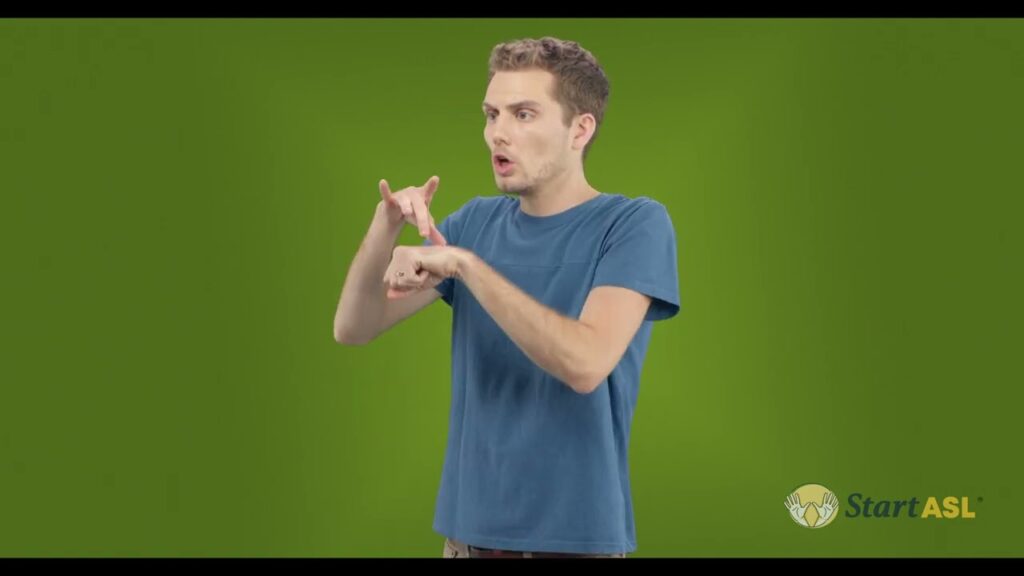
The sign for Earthquake represents a sudden shaking or movement of the ground, often associated with seismic activity. It is used in discussions related to natural disasters, geology, or when sharing personal experiences of such events. Understanding this sign can enhance communication about safety and preparedness in the Deaf community.
[VIDEO_PLACEHOLDER]
Table of Contents
How to Form the Sign for Earthquake
- Handshape: Use both hands in a ‘flat’ handshape (with fingers extended and together). The dominant hand is slightly above the non-dominant hand.
- Location: Position both hands in front of your torso, with palms facing down.
- Movement: Move both hands up and down in a quick, shaking motion, simulating the effect of the ground shaking.
- Non-manual signals: Incorporate facial expressions that convey urgency or alarm, such as widening your eyes or raising your eyebrows for emphasis.
This sign effectively communicates the intensity and suddenness of an earthquake by mimicking the physical sensation of tremors. The shaking motion should be pronounced to reflect the severity of the event, while the facial expressions add emotional context to the message.
Using “Earthquake” in Everyday Signing
Incorporating Earthquake into conversations can enhance clarity and engagement. For instance, you might say:
- “Last week, there was an Earthquake that shook the whole city.”
- “I felt the Earthquake while I was sleeping, and it woke me up.”
- “We need to prepare for an Earthquake in our area.”
These examples showcase the sign’s application in routine discussions about safety, disaster preparedness, and personal experiences related to seismic events.
Signs Related to “Earthquake”
- Earth: Represents the planet or soil.
- Shake: This sign conveys the action of shaking, useful in various contexts.
- Disaster: A broader term that encompasses various catastrophic events, including earthquakes.
- Tsunami: Related to earthquakes, as they can trigger tsunamis.
Common Confusion with a Similar Sign
Some learners may confuse the sign for Earthquake with the sign for ‘shake’ due to the similar hand movements. To differentiate, remember that the Earthquake sign involves both hands moving in a shaking motion, while the ‘shake’ sign typically uses one hand to indicate a more general shaking action. Emphasizing the dual hand motion and the facial expressions associated with urgency can help clarify the intended meaning.
Frequently Asked Questions
What should I do if I feel an earthquake?
Drop, cover, and hold on—get under a sturdy piece of furniture to protect yourself from falling objects.
Is there a specific sign for different types of earthquakes?
While the sign for Earthquake generally covers all types, context can provide additional details about the severity or type.
Can I use the sign “Earthquake” to describe tremors?
Yes, you can use the sign for Earthquake to describe tremors, but clarify by adding context or using descriptive signs.
How can I practice the sign effectively?
Practice in front of a mirror or with a partner to ensure you are using the correct handshape, movement, and facial expressions.
Are there any variations of the sign for Earthquake?
Yes, regional variations may exist, but the basic concept and movements remain similar across different areas.
Practice ASL Signs
Use your camera to practice signs and get real-time AI feedback on your technique.
Free · No signup required