
Die in Sign Language (ASL)
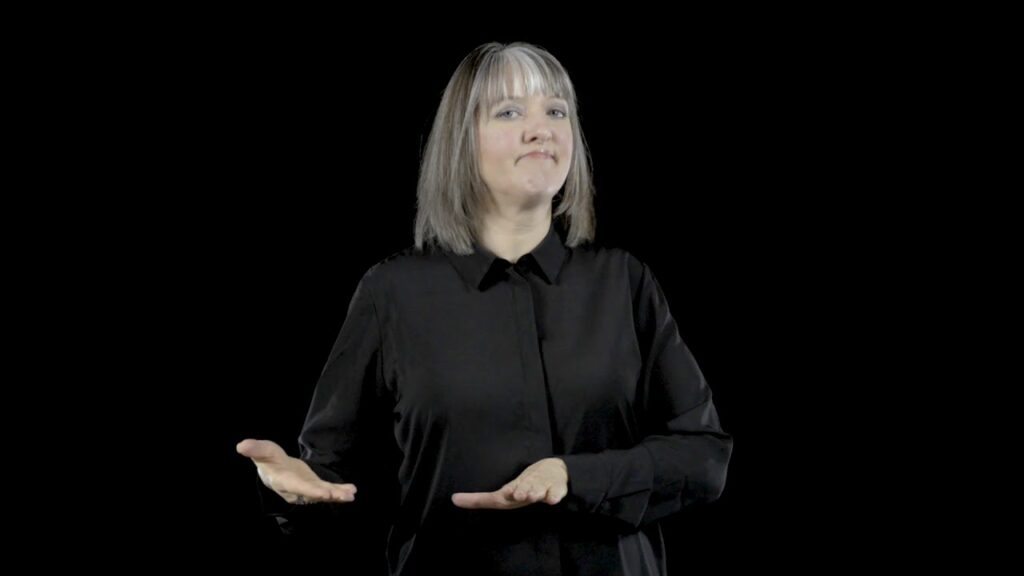
The sign “Die” in American Sign Language (ASL) refers to the act of ceasing to live, commonly used in discussions about mortality or to express the concept of death. This sign can also be used in various contexts, including discussions about games involving dice. Understanding how to appropriately use “Die” in conversation is important for effective communication within the Deaf community.
[VIDEO_PLACEHOLDER]
Table of Contents
Forming the sign
- Handshape: The dominant hand forms the letter “D” in ASL. This is done by placing your thumb and index finger in a way that the other fingers are folded down against the palm.
- Location: The hand is positioned approximately at the side of your forehead, facing outwards. This placement helps convey the intended meaning clearly.
- Movement: The dominant hand moves downward in a swift, firm motion, simulating the action of something falling or dropping. This movement is crucial as it adds to the expression of the sign.
- Non-manual signals: Facial expressions play an essential role in conveying the severity of the sign. A somber or serious expression can enhance the meaning, particularly in discussions about death.
When using the sign “Die,” it’s important to be aware of your facial expressions, as they can significantly influence the message you are delivering. To make the sign more impactful, ensure that your movements are clear and deliberate, allowing the listener to grasp the concept without confusion.
Using “Die” in sentences
Incorporating “Die” into sentences can help clarify its meaning and context. For instance, you might say:
- “My grandfather will die soon.” (in reference to an elderly family member’s health)
- “In this game, if you roll a one, you die.” (referring to a game scenario)
- “Many animals die when the seasons change.” (in a discussion about nature)
Using “Die” within a sentence helps to provide context and makes it easier for the listener to understand the point being conveyed. It’s essential to maintain a respectful tone when discussing death, as it is a sensitive topic for many.
Related signs
Here are a few signs that are related to “Die” and may come up in discussions:
- Death – A broader term for the end of life.
- Sad – Often associated with the feelings surrounding loss.
- Cry – An emotional reaction that can occur due to someone’s death.
- Alive – The opposite of “die,” often used in discussions about life.
Common confusion with a similar sign
Some learners may confuse the sign “Die” with the sign for “Dice” due to similar handshapes and movements. While “Die” uses the letter “D” and has a downward motion, the sign for “Dice” is typically formed with a different handshape and involves a rolling motion. To avoid confusion, it’s essential to practice both signs in context and pay close attention to your handshape and movement.
FAQ
What is the importance of facial expressions when signing “Die”?
Facial expressions enhance the meaning of “Die,” conveying the seriousness of the topic. A somber expression helps the listener grasp the gravity of the discussion.
In what scenarios is it appropriate to use the sign “Die”?
The sign can be used in various contexts, such as discussing health, death in family or friends, or even in gaming scenarios involving dice.
How do I practice the sign “Die” effectively?
To practice, start by signing in front of a mirror to check your handshape and facial expressions. Pair it with sentences that provide context, and practice with a partner.
Are there any cultural sensitivities I should be aware of when discussing death?
Yes, death is a sensitive topic for many individuals. It’s essential to approach conversations with respect and care, considering the feelings of those involved.
Practice ASL Signs
Use your camera to practice signs and get real-time AI feedback on your technique.
Free · No signup required