
Dance in Sign Language (ASL)
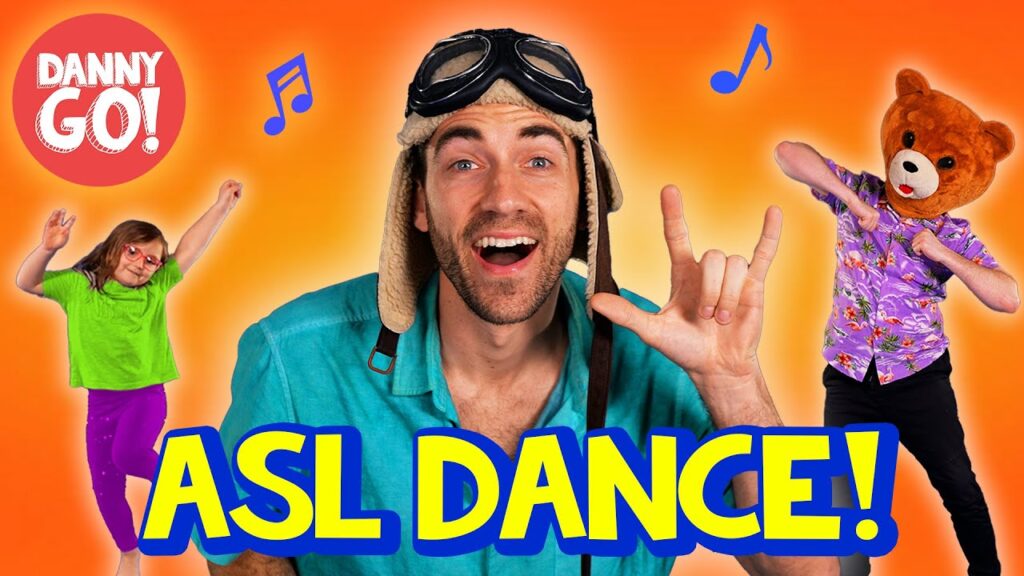
Dance is a vibrant expression often associated with joy, movement, and cultural traditions. In American Sign Language, this sign embodies the concept of dancing, whether it’s at a party, a performance, or simply enjoying music. It’s a versatile sign that can be used in various contexts to convey the act of dancing or to describe events centered around dance.
[VIDEO_PLACEHOLDER]
Table of Contents
Forming the sign
- Handshape: The dominant hand forms a ‘flat’ handshape (similar to an open palm) while the non-dominant hand can either be in a similar shape or can be in a relaxed position.
- Location: The dominant hand is typically raised to around shoulder height, positioned slightly in front of the body.
- Movement: The dominant hand moves in a fluid, circular motion, mimicking the swaying or twirling associated with dancing.
- Non-manual signals: A smile or a joyful expression enhances the sign, as it conveys the enjoyment often felt while dancing.
This sign captures the essence of dance, emphasizing fluidity and a sense of rhythm. The movement should be expressive, allowing the speaker to convey not just the action but also the joy associated with dancing.
Showing tense, aspect & repetition
To express different tenses or aspects of dancing, you can modify the sign’s movement and facial expressions. For instance, if you want to indicate that you are currently dancing, you can perform the sign with a lively motion and an excited facial expression. To show that you danced in the past, you might slow the movement down and look reflective. For repetitive actions, you can perform the sign multiple times in quick succession, emphasizing the action.
“Dance” in everyday signing
This sign can fit seamlessly into conversations about social events, music, or cultural activities. For example, you might use it to ask someone if they want to dance or to talk about an upcoming dance performance. Incorporating the sign into everyday dialogue helps connect with others and express enthusiasm for events that include dance.
Mistakes to avoid
One common mistake is to make the sign too jerky or stiff. Dance is all about fluidity, so ensuring smooth and graceful movements is key. Another error might be using an inappropriate facial expression; remember that the joy of dancing should be expressed through your face. Lastly, some beginners might confuse this sign with similar gestures used for other concepts; ensure you are clear on the context to avoid misunderstandings.
Signs related to “Dance”
Explore these related signs to enhance your vocabulary:
- Music – Often associated with dance, this sign represents the sounds that inspire movement.
- Party – A social gathering where dancing is common.
- Celebrate – Dance is frequently a part of celebrations and festivities.
- Performance – Many dances are performed as part of artistic displays.
Common confusion with a similar sign
Some individuals may confuse the sign for dance with the sign for “play,” particularly in contexts involving children or activities. While both may involve movement and joy, “dance” specifically denotes rhythmic movement typically accompanied by music. It’s essential to be aware of the context in which you are using the signs to avoid confusion.
FAQ
What is the best context to use the sign “Dance”?
You can use “Dance” when discussing social events, music, or any situations where dancing is relevant. It’s a versatile sign that fits into many conversations about fun and entertainment.
Can I use “Dance” to describe different styles of dance?
Yes, you can specify different dance styles by combining the sign “Dance” with the signs for the specific styles, such as ballet or hip-hop, to make your communication clearer.
Is there a different sign for dancing alone versus with others?
The sign remains the same for both situations; however, your facial expression and body language can convey whether you are dancing alone or in a group.
How can I improve my signing of “Dance”?
Practice in front of a mirror to work on fluidity and facial expressions. Watching videos of Deaf performers can also provide insight into the expressive nature of the sign.
Practice ASL Signs
Use your camera to practice signs and get real-time AI feedback on your technique.
Free · No signup required